
 Read more
Meet the experts behind our blog
Our content is written by BSC's in-house specialists: practitioners with hands-on experience across health, safety, environment and wellbeing.
Meet our expertsYour basket has been adjusted. This may be due to an event becoming unavailable or you logging into the site and your active roles changing.

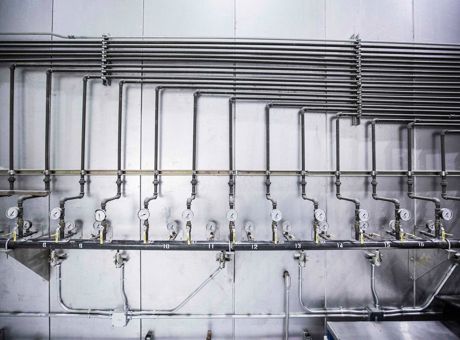
Is a Legionella risk assessment a legal requirement? Find out which checks employers must be aware of and how often Legionella checks should be reviewed.
Read more
Learn the five levels of the hierarchy of control, from elimination to PPE, with practical examples of how to control workplace risks effectively.
Read more
Is abrasive wheel training a legal requirement in the UK? Learn what it involves, whether grinders need training, and how long certificates last.
Read more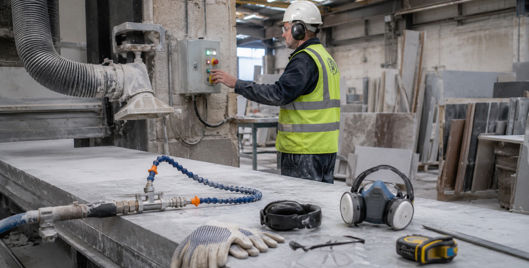
Working with stone, concrete or engineered worktops? Learn the warning signs of unsafe silica dust exposure and the controls that prevent silicosis.

Learn how to complete a lone-working risk assessment and introduce proportionate controls, check-ins, training and emergency procedures.

Health and safety can offer a rewarding career across many industries, and you may already have more relevant experience than you realise. This article explains which skills transfer well, how to identify suitable entry routes and what qualifications may support your next step.

Discover how managers can move beyond compliance to improve safety, wellbeing, speaking up and workplace culture through everyday leadership.

Learn what causes musculoskeletal disorders at work and how employers can prevent MSDs through better ergonomics, task design, training and risk control.

Understand the April 2026 Statutory Sick Pay, paternity leave and unpaid parental leave changes, with practical steps for employers in Great Britain.
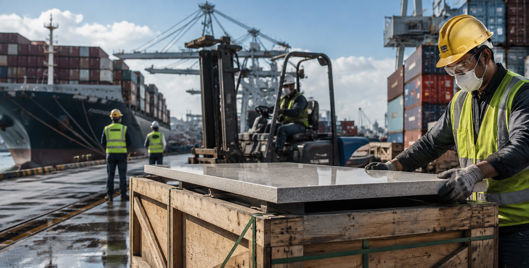
A UK ban on engineered stone must cover imports and overseas supply chains. Explore why consumer demand and global responsibility also matter.

Australia banned engineered stone after workers developed silicosis. Explore what the UK can learn and why British Safety Council is calling for action.

Engineered stone worktops can release highly hazardous silica dust when cut. Learn how this causes incurable silicosis and why UK action is urgent.

Learn the difference between fire hazards in the workplace and heat risks. Discover key safety controls, common hazards and practical ways to protect workers.

Explore the workplace heat stress risks highlighted by the 2026 FIFA World Cup and learn key safety measures employers can implement to protect workers from heat-related illness.

Former NBA player Brian Grant's Parkinson's diagnosis highlights the potential long-term health impacts of Trichloroethylene (TCE) exposure and the importance of clean air and water.

Explore how steering wheel vibration in Aston Martin F1 cars can cause nerve damage and musculoskeletal disorders, highlighting key health and safety risks for drivers.

A practical 5-step guide to psychological safety at work: covering human-centred design, whole-person wellbeing, tiered support, and inclusive measurement.

For most of human history, work has been about survival. Earning just enough. Getting through the day. Meeting demands that were rarely within your control.

Discover how indoor air quality affects cognitive function, productivity, and wellbeing. Learn practical steps to improve workplace air quality and performance.
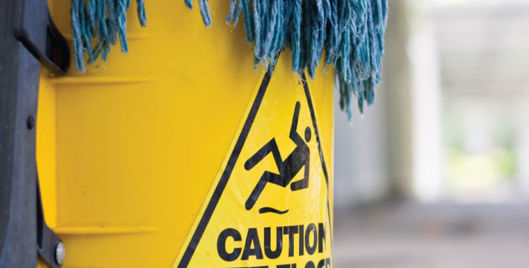
Learn about slips and trips at work, including common causes, employer legal duties, risk assessments and practical steps to prevent accidents and injuries.
Learn what working at height means, see common examples, and understand employer duties under UK law. Find out more information to stay safe today!

Take a look at our latest article for a full explanation of Martyn's Law, including what it is, who it applies to, and when it's due to come into force.

Take an in-depth look at what a NEBOSH Gold Learning Partner is, how providers earn it, and the key benefits it brings below – from stronger support and pass promises to higher success rates and greater trust in your learning journey.
This blog explains why they matter, what a good assessment involves, and how to carry one out effectively. From identifying hazards to reviewing controls, we’ll guide you through the steps needed to get fire safety right and stay compliant.

Drawing on real-world consultancy and auditing experience, this article outlines practical steps organisations can take to strengthen contractor management and drive better health and safety outcomes.

This blog details the differences between the Working Safely and Managing Safely courses, and will help you choose the right course for your employees.

In this article, we’ll explore what the NEBOSH General Certificate covers as a Level 3 qualification, how it fits within the wider NEBOSH framework, and why that matters when deciding your next qualification.

Discover how organisations like Lake District Estates and a creative SME built sustainable wellbeing strategies through British Safety Council’s Workplace Wellbeing Programme. Learn how to embed wellbeing into your organisation’s culture and support your people to thrive.

On 17 July 2025, the Institute of Environmental Management and Assessment (IEMA) officially became the Institute of Sustainability and Environmental Professionals (ISEP). Why the change? Because the world of sustainability has grown, and the name needed to grow with it.
Providing a healthy work environment where people can thrive at work is no longer a nice-to-have – it’s a core part of running a responsible, effective and sustainable organisation.

Workplace culture shapes how employees behave, make decisions and support one another. Ultimately, it has a direct impact on how organisations perform and thrive.

Explore how climate change is creating new workplace health, safety and wellbeing risks, from heat stress and extreme weather to air quality and compliance.
Explore five essential HSE topics every worker should understand, whatever their role or experience level, to help build safer, healthier workplaces.
To help organisations take practical, meaningful action on psychosocial risks, British Safety Council’s Stephen Haynes, Director of Wellbeing, and Sophie Snell, Organisational Wellbeing and Change Consultant, have developed a comprehensive Psychosocial Risk Solution.

Alongside our training and consultancy services, we also offer memberships—an easy and affordable way to get ongoing support, stay informed, and build a stronger safety culture.

If you’re thinking about a career in HSE but aren’t sure where to start, these five considerations will help you understand what a career in occupational health and safety involves—and what to consider before taking your first step.

Work-related stress, depression and anxiety is the leading cause of long-term employee absence, accounting for 50% of all working days lost in the UK, which equates to an estimated £57.4 billion in lost productivity annually.
Learn essential fire safety tips for handling and storing lithium batteries. Understand the risks, precautions, and best practices to prevent fire hazards.
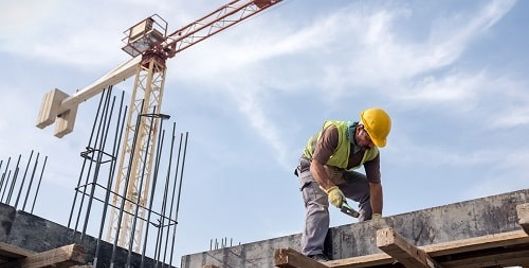
Construction is one of the most complex and high-risk industries to work in. Sites are constantly changing, with heavy machinery, working at height, moving vehicles, and multiple contractors often operating side by side. This fast-paced and unpredictable environment means the margin for error is small—and the consequences can be life-threatening.

Support Asbestos Awareness Week by understanding the ongoing risks of asbestos exposure, workplace duties and the need for safe management in older buildings.

IOSH and NEBOSH are both respected health and safety courses, but while IOSH training provides practical safety knowledge for employees and managers, NEBOSH training offers more in-depth study for those pursuing a professional career in health and safety.
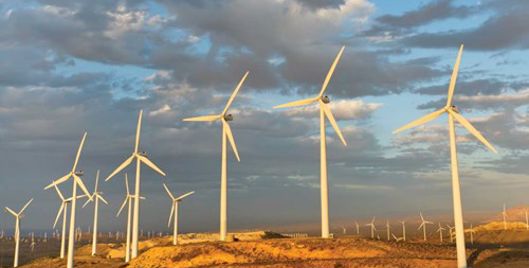
With a growing population from 8 billion in November 2022 to a predicted 9.7 billion by 2050, there is an increased demand for green jobs to support the green transition. Are you ready?

We’ve all heard horror stories about toxic workplaces. Some of us will have even shared the misfortune of experiencing one first-hand. Just think about the last time you had a great idea at work but hesitated to share it because you didn’t know how your boss might respond. Or maybe you spotted a potential problem but stayed quiet because you were worried about what repercussions might follow.

Are you a new health, safety, and wellbeing professional looking for your next qualification? We've identified three key courses that provide excellent value and foundational knowledge for a successful start to a career in health and safety.

Turn Blue Monday into a year-round opportunity to improve workplace wellbeing, support mental health, and boost employee engagement. Practical guidance for employers.

How data-driven wellbeing strategies help employers boost productivity, reduce absence, and improve ROI — with practical insights on using AI and analytics to personalise support at scale.

Five practical considerations for building inclusive workplace wellbeing strategies. Covering employee involvement, whole-person thinking, accessibility, and why one-size-fits-all so often means one-size-fits-none.

New research conducted by Ipsos Karian and Box and published last week, reinforced the message in our recent blog, by British Safety Council’s Director of Wellbeing, Stephen Haynes, on the importance of leadership to managing burnout, as well as the cost to society and our economy of inaction.

New research conducted by Ipsos Karian and Box and published last week, reinforced the message in our recent blog, by British Safety Council’s Director of Wellbeing, Stephen Haynes, on the importance of leadership to managing burnout, as well as the cost to society and our economy of inaction.

Some workplace metrics are easy to measure - from levels of profit and loss to rates of sickness and absence - while measuring levels of burnout is an altogether more complex task. It’s also increasingly becoming an agenda item in the boardroom.

When we look at workplace wellbeing, we need to look at our starting point and where we want to go, what obstacles might get in our way, and how can we mitigate them. Then, with this information, we can put together a wellbeing strategy that will make a difference.
We see the impacts of poor wellbeing in society every day. On a micro level, we know that poor wellbeing has wide-reaching consequences, negatively impacting mental, physical and emotional health.

The critical role of health and safety leadership in shaping organisational success. Discover important Insights for directors and senior managers.
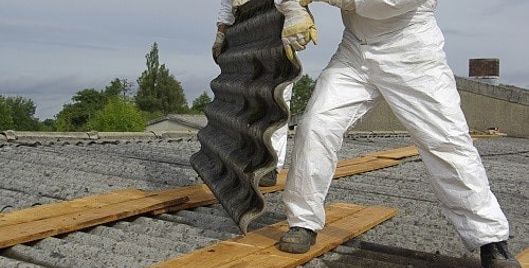
Today, the risks associated with asbestos are well and widely known. We know that even a single airborne fibre risks triggering the development of a range of respiratory conditions, years or even decades later.
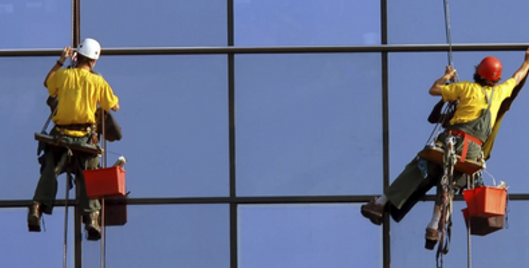
Between 2022 and 2023, 40 workers lost their lives falling while working at height, making this the leading cause of UK workplace deaths that year.
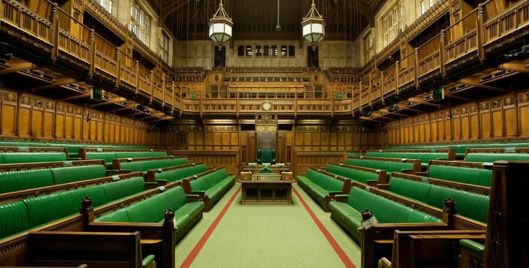
With another session of Parliament now prorogued, and a General Election called for 4 July, it’s only natural to reflect on what a Government, on what a Parliament, has been able to achieve.
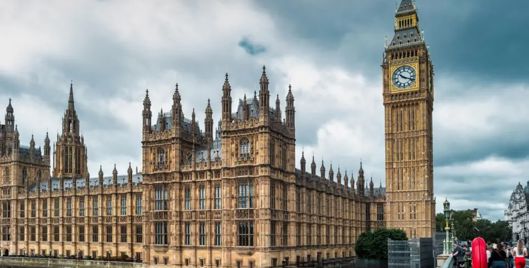
Ahead of July’s General Election, British Safety Council is calling on all political parties to consider how we can best use regulation to make the workplaces of the future healthier, safer, and happier.

We see the impacts of poor wellbeing in society every day. On a micro level, we know that poor wellbeing has wide-reaching consequences, negatively impacting mental, physical and emotional health.

The timeline of human history has been punctuated by technological advancement. Every development, from the printing press to the PC, has had profound impacts on what it means to work and how we interact with the work we do.
Good health and safety doesn’t just happen, it’s a journey of teaching and learning that should continue throughout our working lives; contributing to healthier, safer, and happier workplaces.
Our content is written by BSC's in-house specialists: practitioners with hands-on experience across health, safety, environment and wellbeing.
Meet our experts