

What is the definition of working at height?
Working at height is defined by the Health and Safety Executive (HSE) as any work where a person could fall a distance above or below ground level that could cause personal injury. This definition is set out in the Work at Height Regulations 2005. It’s classed as a physical safety hazard and occurs in many industries, often in everyday tasks.
It matters because falls from height remain one of the leading causes of workplace deaths and major injuries in the UK. Managing this risk protects workers, reduces disruption and ensures compliance with health and safety law.
What height is considered working at height?
There is no minimum height stated in the law. If there is a risk of a fall that could cause injury, the activity is classed as working at height. This means it is not limited to obvious high-risk tasks.

Examples of working at height by industry
Construction
- Installing roofing materials, repairing scaffolding, operating mobile elevated work platforms (MEWPs), or working in underground openings such as vehicle pits
Agriculture
- Climbing onto machinery or storage silos for inspections or repairs
Other professions
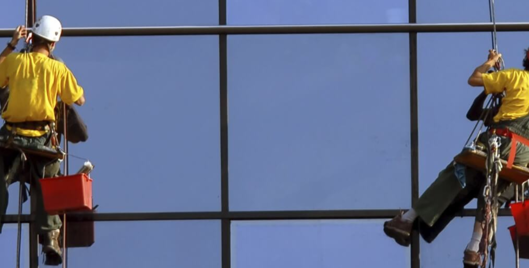
- Window cleaners, telecoms engineers, and solar panel installers accessing building exteriors
Does using a stepladder count as working from height?
Working on a stepladder counts as working at height because a fall from it could cause injury, even at low levels. In warehousing, employees may use ladders or order-picking equipment to retrieve stock from high shelving. Maintenance staff in offices or retail settings might use stepladders to change lighting or access ceiling fixtures.
It can even apply at ground level if there is a risk of falling into an excavation, down a stairwell, or through a fragile surface such as a roof light. The key consideration is the potential for injury, not the exact height.

What is the maximum wind speed for working at height?
Strong winds can make surfaces slippery, reduce stability and increase the risk of losing balance or being struck by materials or equipment.
Though there’s no specific legal maximum wind speed for working at height, it should be limited when speeds reach 23 mph (approx. 10 m/s), as this affects balance and safety. Specific equipment also has strict limits. For example, mobile elevated work platforms (MEWPs/cherry pickers) usually have a max limit of 28 mph (12.5 m/s).
If wind speeds create unsafe conditions or compromise the effectiveness of control measures, work should be postponed or stopped.
Employers should monitor weather conditions as part of their risk assessment under the HSE 2005. They should also ensure workers are trained to recognise when conditions are too dangerous to continue safely.
What PPE is required for working at height?
Personal protective equipment (PPE) for working at height in the UK will depend on the specific task and the findings of a risk assessment. Common PPE includes safety helmets to protect against falling objects, non-slip safety footwear to provide secure footing, and fall protection equipment such as safety harnesses, lanyards and suitable anchor points where there is a risk of falling.
Workers may also require gloves, high-visibility clothing or eye protection depending on the working environment and hazards present. It is important to remember that PPE is the last line of defence and should be used alongside other control measures such as guardrails, safe access equipment, and proper training and supervision.

What is not classed as working at height?
Work is not classed as working at height if there is no risk of a fall that could cause personal injury. Tasks carried out at ground level on a stable, fully enclosed surface, where there are no edges, openings or fragile materials, would not normally fall under the Work at Height Regulations 2005.
For example, slips and trips, like slipping on a wet bathroom floor or tripping over a loose piece of furniture wouldn’t be classed as an injury from working from height. If you’re interest in learning more about slips and trips, take a look at our Avoiding Slips, Trips and Falls course.
This distinction is important because these hazards are managed under different legal duties. Slips and trips are addressed under general workplace safety regulations, with different risk assessments and preventative measures required.
Why working at height matters for compliance and safety
Working at height matters for both legal compliance and workplace safety because falls from height remain one of the most serious risks in UK workplaces. Under the Work at Height Regulations 2005, employers and those who control work at height must ensure that such tasks are properly planned, supervised and carried out by competent people using appropriate equipment.
They must avoid work at height where possible, assess risks, choose safe equipment, and minimise the consequences of any potential falls. Employees also have duties to follow training and use equipment correctly.
The importance of this cannot be overstated. According to the latest HSE figures, 35 workers lost their lives in 2024/25 due to falls from height, making this the leading cause of fatal workplace injuries in Great Britain. Falls from height consistently account for around a third of all work-related deaths and remain a persistent hazard across sectors such as construction and maintenance.
Accidents continue to happen because of poor planning, inadequate risk assessment, lack of training, inappropriate equipment and failure to follow safe systems of work.
Effective planning, thorough risk assessments and competent, well-trained staff are essential to reduce these preventable incidents, protect workers, and ensure compliance with health and safety law.
Regular recertification of working at height equipment also ensures it remains safe, reliable and compliant with regulations. Inspections help identify wear, damage or faults that could cause failure. Maintaining certified equipment protects workers from falls, reduces risk of accidents and demonstrates an employer’s commitment to safety.

Who is responsible for height safety in the workplace?
Responsibility for height safety in the workplace primarily sits with employers and those who control the work, including managers, supervisors and duty holders. Under the Work at Height Regulations 2005, employers must ensure that any work at height is properly planned, appropriately supervised and carried out by competent people.
They must avoid working at height where possible, carry out suitable and sufficient risk assessments, select the right equipment, and implement measures to prevent falls or minimise their consequences.
Managers play a key role in turning these legal duties into practical action. This includes organising safe systems of work, ensuring equipment such as ladders or platforms is suitable and inspected, and confirming that workers have received adequate information, instruction and training. Employees also have responsibilities to follow safe procedures and use equipment correctly.
Understanding these responsibilities is essential. Failure to manage work at height effectively can lead to serious injury, enforcement action, fines and reputational damage.
Effective planning, clear supervision and proven competence are critical to reducing risk. When work at height is carefully organised and carried out by trained, capable people, the likelihood of preventable falls is significantly reduced.
The next steps to working safely at height
Understanding what counts as working at height is essential for keeping people safe and meeting legal responsibilities. By recognising risks, planning work carefully and using the right equipment and training, employers can prevent falls and protect their workforce.
Effective management of work at height helps create safer workplaces and reduces avoidable injuries for all employees.
If you want to learn more about managing this risk, explore our Working at Height course. Available online or in person, it is ideal for employees working at height and managers who need general awareness. The course explains common causes of falls, key safety considerations, and how risks can be controlled when using equipment and carrying out tasks safely.
Working at Height is also one of several short courses included free with our British Safety Council Membership, which provides 100 e-learning licences each year.
Related items
Working at Height
This short online course is for people who work at height and highlights the risks and practical ways to prevent falls from height.
 Find out more

Membership
Whatever you do, good health, safety, and wellbeing are good for your business. Workplace illness, injuries, and poor mental health carry significant costs—financial, reputational, and human. Our membership is designed to help you navigate legislation and compliance while systematically improving your health, safety, and wellbeing standards, creating a thriving and resilient workforce.