

Health and safety professionals play an important role in helping organisations manage workplace risks, meet their legal responsibilities and protect the health, safety and wellbeing of their workers. For people considering a career change, the profession offers opportunities across a wide range of industries, and much of what makes someone effective in the role is built on experience gained elsewhere. Common starting points include construction, manufacturing, facilities management, HR, operations, education, hospitality and the armed forces.
At a glance: Health and safety offers career opportunities across many industries, with different routes into the profession depending on your experience and career goals. Health and safety can offer a rewarding career across many industries, and you may already have more relevant experience than you realise. This article explains which skills transfer well, how to identify suitable entry routes and what qualifications may support your next step.
Is health and safety a good career?
Yes, health and safety can be a rewarding and varied career, particularly for people who enjoy solving practical problems, working with others and helping organisations improve. It also carries real responsibility, and professionals are often required to challenge decisions, influence behaviour and keep their knowledge current as regulations and best practice evolve. Responsibilities vary according to the role but often include:
- identifying workplace hazards
- carrying out risk assessments
- investigating incidents
- developing policies
- providing training
- advising managers on legal responsibilities and good practice
"For the right person, health and safety can be a varied, purposeful and rewarding career, with opportunities across almost every industry. It is particularly suited to people who enjoy solving practical problems, influencing others and helping organisations improve. However, it also requires confidence to challenge decisions, attention to detail and a willingness to keep learning throughout your career."
According to the Health and Safety Executive (HSE), an estimated 1.9 million working people experienced work-related ill health in Great Britain during 2024/25, and 680,000 sustained a workplace injury. These figures highlight the continued importance of effective health and safety management across a range of workplaces.
Health and safety professionals work in many industries and can progress into advisory, managerial and specialist roles as they gain qualifications and experience. British Safety Council’s guide to How to Build Your Career in Health and Safety covers the different routes and roles available within the profession in more depth.
What skills transfer well into health and safety roles?
Many of the skills needed to work in health and safety are developed in other professions. While technical knowledge can be gained through training and experience, the profession often draws on strengths people already have from elsewhere:
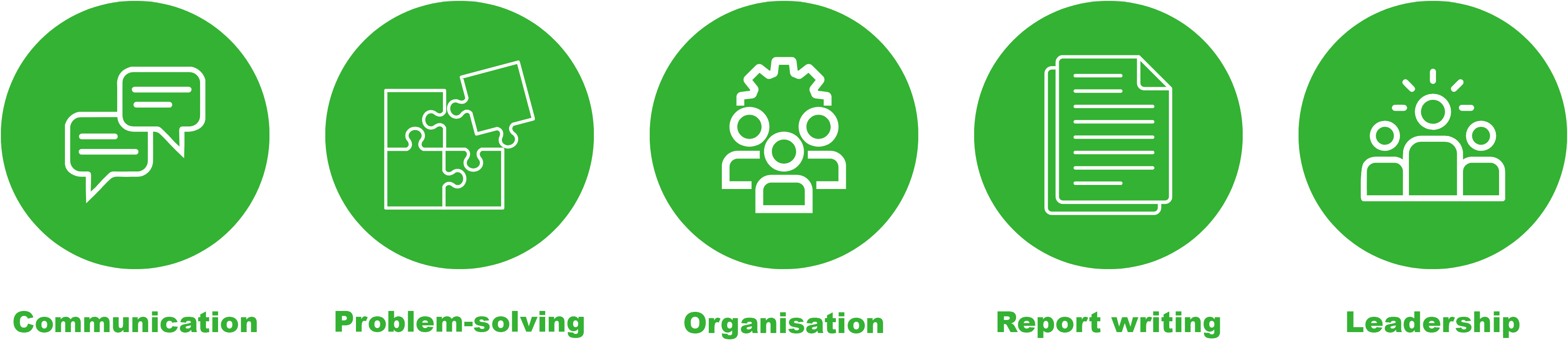
Communication and interpersonal skills
Health and safety professionals work with colleagues at every level of an organisation. Experience explaining procedures, delivering training or working with different stakeholders translates directly into communicating health and safety information clearly and consistently.
Organisation and attention to detail
Managing competing priorities, keeping accurate records and following established processes valuable in carrying out inspections, reviewing documentation and monitoring compliance.
Problem-solving and decision-making
Identifying hazards, assessing risk and recommending practical improvements draws on the same skills used to analyse situations, investigate issues and make informed decisions in almost any role.
Report writing and documentation
Clear, accurate records support communication, demonstrate compliance and provide an important record of decisions and actions — a skill many roles already require.
Leadership and collaboration
Health and safety professionals regularly work with managers, employees and contractors to encourage safe working practices. Experience leading teams or coordinating across departments is directly relevant.
Which careers or industries transition naturally into health and safety?
People enter health and safety from a wide range of professional backgrounds. While every career path is different, experience gained in certain roles can align closely with the responsibilities of health and safety positions. Some examples are shown below:
|
Career or industry |
Relevant experience |
|
Construction |
Risk assessments, safe systems of work, managing contractors and identifying hazards can be directly relevant to many health and safety positions. |
|
Facilities management |
Overseeing building maintenance, contractor activity and statutory compliance provides practical experience in managing workplace risk. |
|
Manufacturing |
Working with machinery, hazardous substances and production processes builds understanding of operational risk and safe systems of work. |
|
Human resources (HR) |
Developing workplace policies, supporting employee wellbeing, managing investigations and delivering training all support health and safety work. |
|
Operations |
Coordinating teams, managing processes, and handling incident escalation and continuous improvement build skills directly relevant to safety coordination. |
|
Emergency services and the armed forces |
Assessing risk, following procedures and making decisions under pressure translates well into many health and safety roles. |
|
Education |
Delivering training, supervising groups and carrying out risk assessments builds communication, planning and leadership skills relevant to the profession. |
|
Hospitality |
Supervising teams, maintaining food and fire safety standards, and responding to incidents builds practical safety management experience. |
These are just some of the careers that develop useful skills and experience.
Moving into health and safety after military service?
Skills developed in the armed forces — including risk assessment, leadership, communication and decision-making under pressure — can be highly relevant to occupational health and safety. British Safety Council’s From Service to Safety initiative supports eligible service leavers and veterans who are unemployed or about to become unemployed, referred through the Career Transition Partnership, with training for the NEBOSH National General Certificate.
Find out about From Service to Safety
Can you get into health and safety without direct experience?
Yes, direct health and safety experience is not essential for every entry-level or supporting role. Skills developed in previous jobs, such as carrying out risk assessments, investigating incidents, delivering training, managing contractors or supporting workplace policies, can provide a valuable foundation for moving into the profession.
However, transferable skills alone do not necessarily make someone competent to provide health and safety advice. Competence should be proportionate to the role and the risks involved and will usually require appropriate training or qualifications, practical experience and knowledge of relevant legal and industry requirements.
Many people begin by supporting health and safety activities under appropriate supervision, building their technical knowledge and experience as their responsibilities develop. Highlighting transferable skills and comparable responsibilities can help demonstrate your potential while being clear about any areas in which further development is needed.
What qualifications do you need to work in health and safety?
There is no single qualification required for every health and safety role. The appropriate route will depend on the position, level of responsibility and industry.
Some people begin with an apprenticeship or degree, while others study for recognised health and safety qualifications alongside their existing job.
If you’re looking to work in health and safety, NEBOSH qualifications are a recognised way to develop occupational health and safety knowledge and support progression into the profession. British Safety Council offers a range of NEBOSH courses, including the National and International General Certificate.
Before moving into health and safety, it’s worth researching the qualifications that are commonly associated with the type of role you’re interested in. Entry requirements can vary between employers and industries, so checking job descriptions can help you understand which qualifications may be most relevant.
How to start a career in health and safety
The best route into the profession will depend on your existing experience, the industry you want to work in and the level of role you are targeting. These steps can help you plan your transition:
- Research suitable roles and industries. Review health and safety job descriptions to understand the responsibilities, experience and qualifications employers commonly request.
- Map your transferable experience. Identify examples from your current or previous roles that demonstrate relevant skills, such as risk awareness, incident investigation, training, report writing, contractor management or influencing colleagues.
- Identify any knowledge gaps. Compare your experience with the requirements of the roles you are considering. This can help you decide whether you need additional training, qualifications or practical exposure.
- Gain relevant experience where you are. Opportunities may exist within your current workplace to support risk assessments, inspections, training, policy reviews or health and safety committees.
- Choose training that matches your goals. Recognised qualifications can help you develop technical knowledge alongside your existing experience. Check the requirements of likely roles before deciding which course is appropriate.
Frequently asked questions about career in health and safety
Can you move into health and safety from another career?
Yes. People enter the health and safety profession from a wide range of occupations and industries. Many skills developed in other jobs can be relevant to health and safety. The knowledge and experience needed will depend on the job and industry.
Do you need previous health and safety experience?
Not necessarily. Many employers value transferable skills and similar responsibilities gained in previous roles, even if you haven’t worked in health and safety before.
Depending on the position, some health and safety qualifications may also be needed. The NEBOSH National General Certificate is a recognised starting point for working in health and safety.
Can military experience transfer into health and safety?
Yes. Skills such as risk assessment, following procedures and decision-making under pressure are widely relevant. Eligible service leavers and veterans who are unemployed or about to become unemployed may also be able to access training support through initiatives like From Service to Safety.
Can you study for a health and safety qualification while working?
Yes. It’s possible to study for recognised health and safety qualifications alongside a current job. The right qualification will depend on the type of role you want to pursue.
Planning your next steps
A career in health and safety can begin at any stage of your working life. Start by identifying which of your existing skills and experience already align with the profession, then use our downloadable workbook, ‘Could your experience lead to a career in health and safety?’, to map them against possible career routes. From there, our career guide and NEBOSH courses can help you plan your next step — and if you’re transitioning from military service, From Service to Safety may be able to support your training.
Could your experience lead to a career in health and safety?
Use this interactive workbook to identify your transferable skills, connect your experience to possible health and safety career routes, and plan your next steps.


Explore your next step in health and safety

Build your career in health and safety
Explore common career paths, the skills employers look for and the qualifications that can support your progression.
 Read the career guide

Find the right NEBOSH course
Compare recognised NEBOSH qualifications designed for different levels of experience, responsibilities and career goals.

Start with the NEBOSH General Certificate
Develop a broad foundation in occupational health and safety with a widely recognised qualification for people entering or progressing in the profession.