

Electrocutions and electric shocks were the leading cause of reported fatal and major incidents involving powered access equipment worldwide in 2025, so it’s vital that those operating such equipment ensure they have suitable procedures, training and supervision in place to ensure safe work near overhead powerlines and other electrical infrastructure.
Features
Why contact with electricity is this year’s leading powered access safety challenge
By
on 14 September 2026
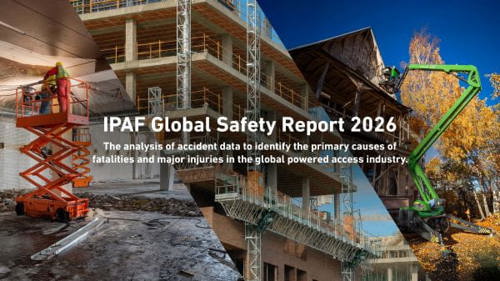
The latest data from IPAF’s Global Safety Report 2026 presents a mixed picture for the powered access industry.
On one hand, there is clear cause for encouragement. Reported fatal and major incidents involving powered access equipment fell by 15% in 2025, while reported fatalities decreased by 24% compared with the previous year. These figures demonstrate that sustained industry efforts to improve planning, training, supervision and safe working practices are making a tangible difference.
However, behind these positive headlines lies a stark reality. In this year’s data, electrocutions and electric shocks were the leading cause of reported fatal and major incidents involving powered access equipment worldwide. In 2025, IPAF received 28 reports involving contact with electricity, resulting in 20 fatalities.
The message for employers, safety professionals and contractors is clear: while progress is being made, this year’s figures show that contact with electricity remains a critical hazard requiring urgent attention.
A preventable risk
Electrocution and electric shock remain among the most severe outcomes in the 2025 fatal and major incident data, with contact with, or arcing from, electrical infrastructure continuing to produce a disproportionately high fatality risk compared with many other incident types. The fatal and major cases show that these incidents are not limited to one task or sector but repeatedly occur where MEWPs are operated close to overhead power lines or other energised equipment without adequate identification, safe clearance or control.
Electrocution incidents are rarely random events. In most cases they arise from a combination of factors that safety professionals will find all too familiar: inadequate planning, poor hazard identification, insufficient site supervision, or a failure to maintain safe working distances from overhead power lines.
What makes electrical incidents particularly devastating is that the consequences are frequently catastrophic. Unlike many workplace hazards where injuries may range in severity, contact with live electrical infrastructure often leaves little margin for error.
The data also shows that electric shock incidents, even where they do not result in a fatality, can cause serious and life-changing injuries. As such, they should be viewed as part of the same risk picture as fatal electrocutions rather than as a lower-severity category.
IPAF has invested heavily in awareness campaigns, training and guidance around working near electricity, particularly the risks associated with overhead power lines and high-voltage infrastructure. Yet the persistence of these incidents suggests that knowledge alone is not enough. The challenge is ensuring that safe systems of work are consistently implemented in dynamic, high-pressure working environments.
Construction remains the focal point
The Global Safety Report 2026 identifies construction as the sector where most fatal and major powered access incidents occur, accounting for 37% of reported incidents in 2025. Arboriculture, facilities management and rental activities also feature prominently.
This reflects the reality that powered access equipment is increasingly being used across diverse industries and often in complex environments where multiple contractors, changing site conditions and competing priorities can create risk.
For safety leaders, this highlights the importance of integrating powered access safety into broader project planning rather than treating it as a standalone activity. Risk assessments must consider not only the task itself but also the surrounding environment, including the presence of overhead utilities, vehicle movements, weather conditions and interactions with other trades.
Encouraging progress, but no room for complacency
The report contains several positive trends. Fatalities associated with falls from the platform fell by 24%, while reports of overturns decreased by 58% and related fatalities fell by more than half. Entrapment incidents also recorded substantial reductions.
These improvements demonstrate what can be achieved when industry, manufacturers, employers and training providers focus on specific risks and work collaboratively to address them. They are reminders that accidents are not inevitable and that targeted interventions can save lives.
Yet the data also reveals emerging concerns. Fatalities involving people being struck by vehicles or machines more than doubled, while incidents involving Mast Climbing Work Platforms (MCWPs) and Construction Hoists (CHs) increased significantly.
For safety professionals, these trends reinforce the importance of continually reviewing incident data and adapting risk management strategies accordingly. Yesterday’s priority hazards may not be tomorrow’s.
A 24% reduction in fatalities is encouraging and demonstrates that sustained industry focus can make a real difference, but we cannot allow this progress to lead to complacency.
Every reported incident provides valuable learning, and the data highlights where our attention must remain firmly fixed – particularly around electrocutions, falls from the platform, overturns, and the emerging increase in incidents involving MCWPs and Construction Hoists.
The Global Safety Report gives the powered access industry the evidence it needs to act, by strengthening planning and supervision, improving operator and frontline supervisor training, and reinforcing safe behaviours at every stage of powered access operations. By working together and continuing to share accident data, we can target our safety efforts where they are most needed and help reduce serious incidents and fatalities globally.
Turning data into action
One of the most valuable aspects of accident reporting is its ability to transform individual tragedies into collective learning.
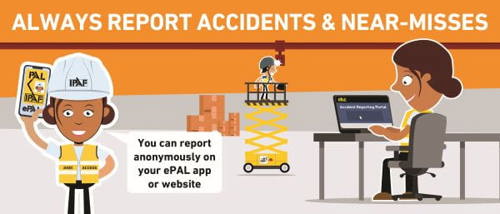
Every incident and near-miss report submitted to IPAF’s global reporting system contributes to a deeper understanding of the causes and circumstances behind serious accidents. By analysing data across countries, sectors and equipment types, patterns emerge that enable the industry to target its prevention efforts more effectively.
This evidence-led approach is particularly important as workplaces become more complex and expectations around productivity continue to increase. Safety decisions should not be driven by assumptions or anecdotal evidence. They must be informed by reliable data and a willingness to learn from mistakes.
The reduction in overall fatalities recorded in 2025 shows that progress is possible. However, the continued prevalence of electrocutions demonstrates that some risks require renewed focus and sustained commitment.
Building a stronger safety culture
Ultimately, preventing serious powered access incidents is not solely about equipment, procedures or compliance. It is about culture.
Organisations with strong safety cultures create environments where hazards are identified early, concerns can be raised without hesitation and safe working practices are prioritised even when under operational pressure.
For leaders, this means ensuring that training is reinforced through effective supervision and that lessons from incidents are shared across teams. For frontline workers, it means recognising that every task involving powered access equipment carries hazards that must be assessed and managed. For the industry as a whole, it means continuing to share accident data openly so that everyone can benefit from the lessons learned.
The reduction in fatalities reported during 2025 is a welcome sign that collective efforts are moving in the right direction. The challenge now is to turn the insights contained within accident data into practical actions that ensure every worker returns home safely at the end of the day.
Employers, contractors and safety professionals should review their procedures for working near overhead power lines and other electrical infrastructure, reinforce safe working distances through training and supervision, and report incidents and near-misses to IPAF’s global Accident Reporting Portal so the industry can continue to learn and prevent future tragedies.
You can view IPAF’s Global Safety Report 2026 here.
Brian Parker is head of safety & technical at IPAF.
FEATURES
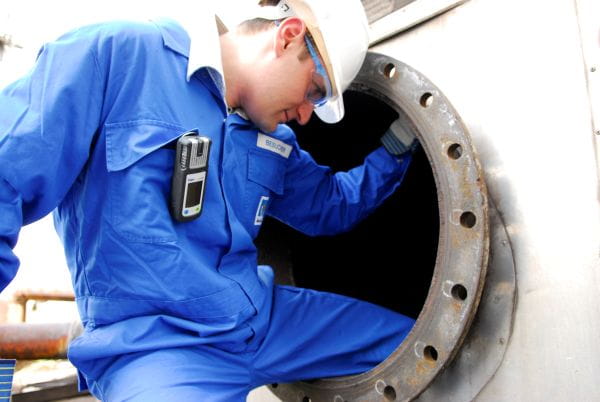
Confined spaces: why training is key to keeping workers safe
By Adam Barker, Draeger Safety UK on 22 September 2026
Suitable training plays an essential role in preventing fatalities and dangerous situations during work in confined, hazardous spaces like tanks, silos and sewers, but it’s essential that any course selected genuinely reflects the specific tasks, hazards and risks workers will be faced with.
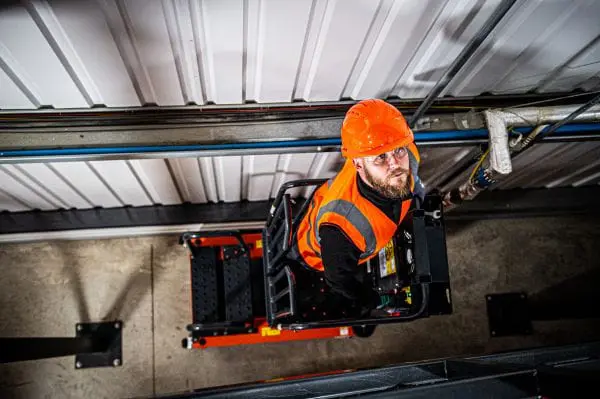
Why the future of low-level access starts with rethinking old habits
By Samuel Butterworth, JLG Power Towers on 22 September 2026
Low-level access equipment like powered lifts can help make work at height safer by providing a secure, enclosed working platform, but they can also bring other benefits, such as avoiding the need for awkward stretching to reach work areas, which helps to prevent musculoskeletal injuries.
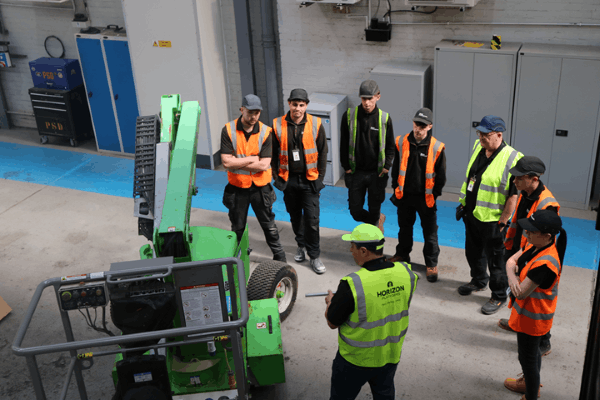
Why paperwork alone isn’t sufficient MEWP rescue preparation
By Ben Hughes, Horizon Platforms on 22 September 2026
A recent safety awareness day has highlighted the importance of contractors regularly practising emergency rescue from mobile elevating work platforms, rather than relying on one-off training sessions and paper procedures that are not always easy to follow during a fast-moving incident.