

A campaigner for women’s rights has welcomed an amendment to ban employers from using Non-Disclosure Agreements (NDAs) to silence victims of workplace sexual harassment.
News
Campaigner hails ban on silencing victims of workplace sexual harassment as “huge milestone”
By
on 09 July 2025
The amendment to the Employment Rights Bill – expected to become law later this year – will void any confidentiality agreements which aim to prevent workers from speaking about sexual harassment allegations.
Zelda Perkins, a former PA to Harvey Weinstein who fronts the campaign group Can’t Buy My Silence, said of the government’s plans: “This is a huge milestone, for years we’ve heard empty promises from governments while victims have continued to be silenced.
“To see this government accept the need for nationwide legal change shows that they have listened and understood the abuse of power taking place.”
The amendment comes as a quarter of women working in sectors represented by Unite the Union report that they have been sexually assaulted at work.
6,615 female Unite members responded to the survey, part of Unite's Zero Tolerance to Sexual Harassment campaign.
Women working in sectors including construction, passenger transport, food, drink, warehousing and logistics, experienced the highest proportion of incidents, said the union.
 Sectors including warehousing and logistics all saw high percentages of incidents of sexual harassment, said Unite the Union. Photograph: iStock
Out of those who reported experiencing sexual harassment, 56 per cent had been the recipient of sexually offensive jokes and 43 per cent had been inappropriately touched. Over a quarter (28 per cent) had been shared or shown pornographic images by a manager, colleague or third party.
Many said they didn't report harassment they had experienced or witnessed as they were worried they wouldn't be believed or that it would put their job at risk.
Unite general secretary Sharon Graham said: "Staff safety should be among the highest priorities for employers, but the results of our survey are damming and show women workers are being failed by bosses.
"Nobody should suffer sexual harassment in the workplace. Unite is committed to taking a zero-tolerance approach and we will put every employer turning a blind eye on notice," she added.
Last October, The Worker Protection Act 2023 became law. This means employers must take measures to prevent sexual harassment from happening in the workplace and at work events such as conferences.
However, Unite says its research shows this is not being implemented fully and that workers are being failed.
Its survey found just 26 per cent of respondents felt their employer had done enough to promote a sexual harassment zero-tolerance culture within the workplace, while 34 per cent did not believe there was a zero-tolerance approach to this behaviour at their place of work.
Unite national women’s officer Alison Spencer-Scragg said: "Employers are not taking their obligations seriously despite the fact it is the law."
Unite is calling for mandatory training on sexual harassment for all employees and for extra legal protections, for example third party harassment and sexual harassment "should be treated by the Health and Safety Executive as a workplace injury."
Employment Rights Bill here
Unite survey here

NEWS
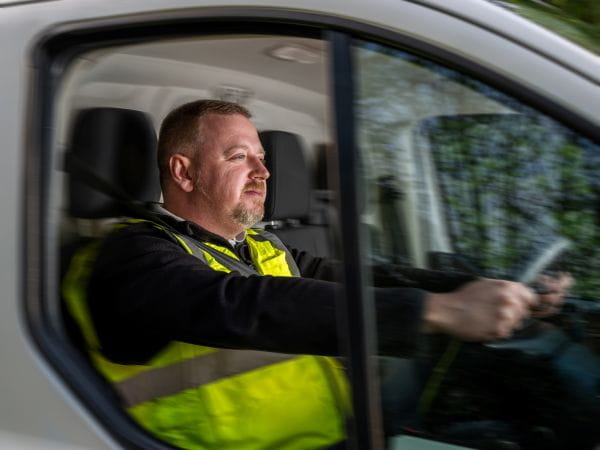
Scheme to recognise commitment to transport staff wellbeing launched by Road Haulage Association
By Orchie Bandyopadhyay on 01 October 2026
A new Wellbeing Recognition Scheme designed to allow organisations across the HGV, coach and van sectors to demonstrate their commitment to improving the health, wellbeing and resilience of the industry’s workforce has been launched by the Road Haulage Association (RHA).

Cost-of-living pressure is cutting into UK workers’ productivity, says report
By Orchie Bandyopadhyay on 04 October 2026
The cost of living is the single largest financial stressor for 62% of UK workers, far outweighing concerns about retirement savings (12%) and building emergency funds (8%), a new study has revealed. Sixty-two per cent of workers admit they do not fully understand the workplace retirement plan they pay into each month, according to TELUS Health’s Q2 2026 TELUS Mental Health Index.

Employers must meet staff to discuss flexible working requests, says first secretary of state
By Orchie Bandyopadhyay on 01 October 2026
Bosses must meet with employees who request flexible working and explain their reasons for any refusals, said Louise Haigh, first secretary of state, in a speech to the Trades Union Congress (TUC) in Brighton on 15 September.