

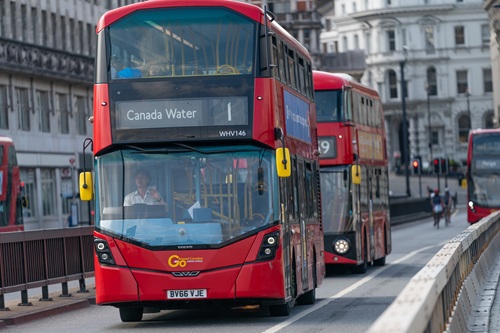
Stronger measures to tackle bus driver fatigue and distraction have been unveiled by TfL this week as part of new bus safety standards.
News
TfL to roll out anti-fatigue eye-tracking tech on London Buses
By
on 04 June 2026
Following trials on around 400 buses, sensors or cameras which can analyse eye movements, blinking rate and head position, will be used to identify signs of driver fatigue.
The driver will then receive haptic and audible warnings if fatigue is detected in order to prevent collision.
At the same time, the bus operator control team will also receive details of the fatigue alert in near real time.
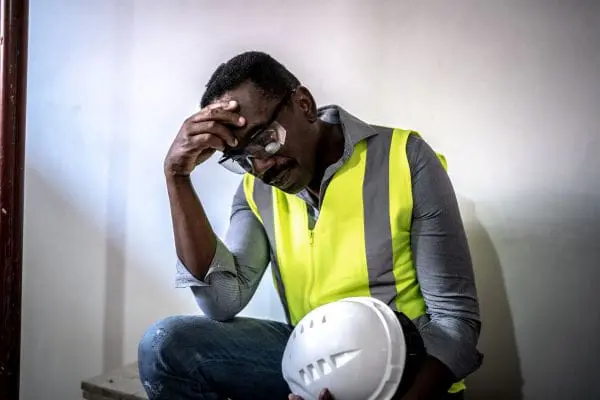
 Photograph: iStock
According to the standard published on 2 June, this will “enable bus operators to better manage fatigue risk”, for example, to allow service controllers to check in with their driver to ensure they are fit to continue working.
“Our experience shows that [the technology] also enables supportive conversations with drivers to identify and address the root causes of fatigue,” continues the standard. “This will support wider efforts to develop a more open culture on fatigue reporting and management."
“Finally, making the data available through a fleet-level dashboard will enable higher level analysis, such as on the rate of fatigue incidents by route, time of day and shift pattern. This will give bus operators better insight into fatigue issues and help them manage policy and procedure to support drivers if needed.”
The plans were released as part of a plan to ensure that no one is killed on, or by a bus, by 2030.
Other measures include interior changes to buses to reduce the risk of slips, trips and falls, which remain one of the main causes of passenger injury.
Buses will also be designed with better lighting, clearer safety messaging and tip seats that fold upright when not in use.
It comes as figures in March revealed that the number of London buses damaged in crashes and collisions was rising.
The plans apply to buses entering the fleet in 2027, 2030 and 2033.
Commenting, Sadiq Khan, Mayor of London, said: "This new world-leading safety standard is an important part of our work towards achieving Vision Zero across the bus network. It will help protect passengers, the bus drivers who keep London moving, as well as other road users, while supporting innovation that can prevent collisions and save lives."
NEWS
Scheme to recognise commitment to transport staff wellbeing launched by Road Haulage Association
By Orchie Bandyopadhyay on 01 October 2026
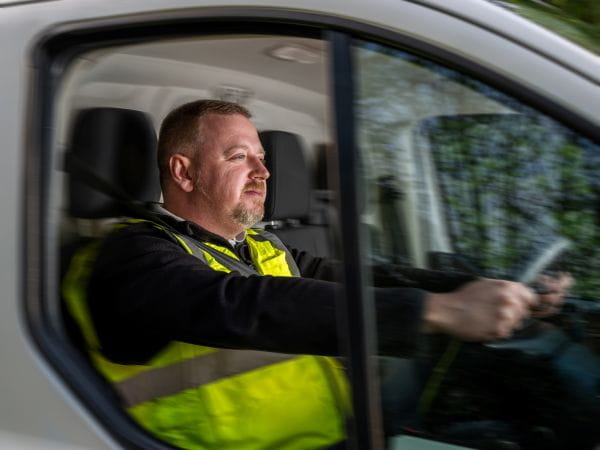
A new Wellbeing Recognition Scheme designed to allow organisations across the HGV, coach and van sectors to demonstrate their commitment to improving the health, wellbeing and resilience of the industry’s workforce has been launched by the Road Haulage Association (RHA).
Cost-of-living pressure is cutting into UK workers’ productivity, says report
By Orchie Bandyopadhyay on 04 October 2026
The cost of living is the single largest financial stressor for 62% of UK workers, far outweighing concerns about retirement savings (12%) and building emergency funds (8%), a new study has revealed. Sixty-two per cent of workers admit they do not fully understand the workplace retirement plan they pay into each month, according to TELUS Health’s Q2 2026 TELUS Mental Health Index.

Employers must meet staff to discuss flexible working requests, says first secretary of state
By Orchie Bandyopadhyay on 01 October 2026
Bosses must meet with employees who request flexible working and explain their reasons for any refusals, said Louise Haigh, first secretary of state, in a speech to the Trades Union Congress (TUC) in Brighton on 15 September.