
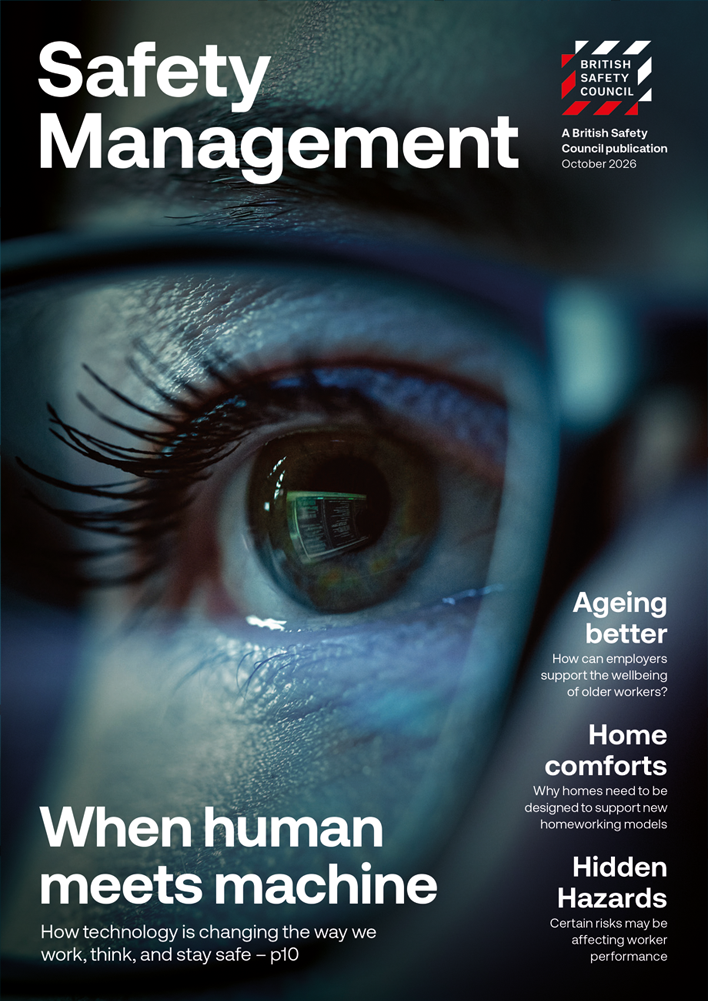
British Safety Council launches new flagship campaign to shine a light on hidden hazards in the workplace.
News
Hidden Hazards. Recognise Risks. Protect Lives
By
on 30 July 2026
British Safety Council has launched ‘Hidden Hazards’, a new UK-wide campaign to raise awareness of the invisible risks that affect millions of workers, and encourage more concerted action by employers, the Government and others to prevent harm before it occurs.
While visible workplace hazards are widely recognised, many of the biggest workplace killers remain out of sight and out of mind. Exposure to hazardous substances, excessive noise, poor air quality, work-related stress, fatigue, and other less visible hazards can have devastating, life-changing consequences for workers, their families, the businesses that employ them, as well as the wider economy.

Through the Hidden Hazards campaign, British Safety Council is seeking to raise awareness and provide employees with the knowledge and resources they need to stay safe; while also calling for meaningful and lasting policy change.
Mike Robinson, chief executive of British Safety Council, said: “A workplace risk doesn’t have to be visible to be serious. Indeed, we know many thousands of lives are lost each year due to dangers that remain unseen.
"Every day, workers are exposed to hidden hazards that can have profound consequences for their health and wellbeing, often with effects that only become apparent years later.
“Our Hidden Hazards campaign is about bringing these risks into the open, raising awareness, and making lasting policy change to prevent harm before it happens.”
At the heart of the campaign is a commitment to prevention through awareness. By promoting early intervention, effective risk management and practical solutions, Hidden Hazards aims to help organisations and individuals to identify and control risks before they lead to illness, injury or long-term health conditions. It will be looking at a different hazard every six months, starting with silicosis in the autumn.
Next year it will move on to look at stress, then asbestos, and finally air quality.
Hidden hazards are the biggest cause of work-related deaths each year and impact more workers than any other risks in the workplace.
Diseases linked to silica and asbestos contribute to the deaths of around 9,000 workers each year in the UK.
Figures from the HSE show that 964,000 workers suffered work-related stress, depression or anxiety in 2024/25. Meanwhile, poor workplace air quality affects hundreds of thousands of workers across the UK.
Recognising that lasting change requires collective action, the Hidden Hazards campaign will bring together employers, workers, policymakers, regulators, professional bodies and industry partners to improve workplace health outcomes across the UK.
By building a broad coalition around a shared commitment to prevention, the campaign aims to accelerate progress in tackling occupational health risks that have too often gone unnoticed.
Through its Hidden Hazards campaign, British Safety Council will undertake new research into under-explored issues, including silicosis and the lived experiences of workers affected, and use this to make policy recommendations and create new guidance.
The campaign will seek to improve how hidden hazards are managed in the UK, working with employers, workers and policymakers to achieve meaningful change in workplace safety.
For more information about British Safety Council’s Hidden Hazards campaign, see:
britsafe.org/impact-and-influence/hidden-hazards-campaign
NEWS
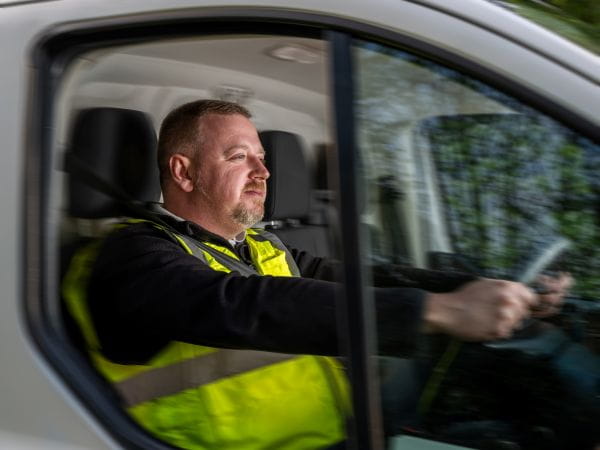
Scheme to recognise commitment to transport staff wellbeing launched by Road Haulage Association
By Orchie Bandyopadhyay on 01 October 2026
A new Wellbeing Recognition Scheme designed to allow organisations across the HGV, coach and van sectors to demonstrate their commitment to improving the health, wellbeing and resilience of the industry’s workforce has been launched by the Road Haulage Association (RHA).

Cost-of-living pressure is cutting into UK workers’ productivity, says report
By Orchie Bandyopadhyay on 04 October 2026
The cost of living is the single largest financial stressor for 62% of UK workers, far outweighing concerns about retirement savings (12%) and building emergency funds (8%), a new study has revealed. Sixty-two per cent of workers admit they do not fully understand the workplace retirement plan they pay into each month, according to TELUS Health’s Q2 2026 TELUS Mental Health Index.

Employers must meet staff to discuss flexible working requests, says first secretary of state
By Orchie Bandyopadhyay on 01 October 2026
Bosses must meet with employees who request flexible working and explain their reasons for any refusals, said Louise Haigh, first secretary of state, in a speech to the Trades Union Congress (TUC) in Brighton on 15 September.