

A new Wellbeing Recognition Scheme designed to allow organisations across the HGV, coach and van sectors to demonstrate their commitment to improving the health, wellbeing and resilience of the industry’s workforce has been launched by the Road Haulage Association (RHA).
News
Scheme to recognise commitment to transport staff wellbeing launched by Road Haulage Association
By
on 01 October 2026
The Wellbeing Recognition Scheme forms part of the RHA Wellbeing Charter, which was launched in July 2026 in a bid to provide a clear structure for operators in the UK’s transport and logistics to support staff wellbeing, including that of drivers, engineers, technicians, warehouse teams, office colleagues, and managers. The Charter encourages employers to commit to practical action on wellbeing around six pillars: Learning and Development, Mental Wellbeing, Leadership and Resilience, Connecting with Others, Exercise and Physical Health, and Food and Nutrition. The idea is to build a cross-industry movement to drive lasting culture change around worker wellbeing through “one million moments of improvement over the next 10 years”, says the RHA.
Businesses signing up to the Charter are encouraged to select actions across the six pillars, make public wellbeing pledges, and work towards formal Charter accreditation.
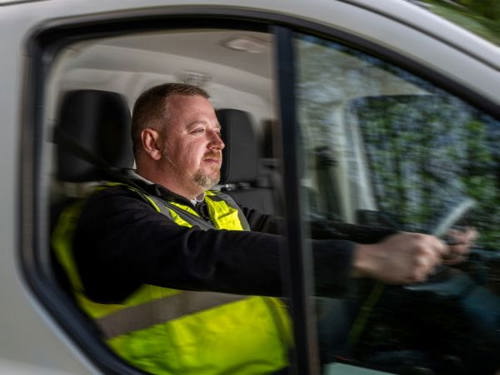
The Wellbeing Recognition Scheme is designed to distinguish firms that can show measurable action from those that have simply signed a pledge.
“We cannot judge success simply by counting pledges or certificates,” said RHA managing director Richard Smith. “Our 10-year ambition is one million moments of improvement: practical changes that make people’s working lives better. We want participating organisations to tell us what they have changed, what their people say about it and what difference it has made. Existing measures such as staff feedback, absence and retention can help build that picture.”
Smith added that the RHA is also realistic about what those measures can tell the trade body: “No single pledge or initiative proves an improvement in health or safety on its own, which is why recognition will depend on evidence of practical action.”
Commenting on the evidence employers will need to provide and how the RHA will track it over time, Smith said: “A pledge is a starting point. The purpose of recognition is to encourage organisations to demonstrate practical action and keep improving.
“We want to understand the priorities they have chosen, the steps they have taken, how their people have been involved and what they have learned. That needs to be proportionate. A business employing five people will have different resources from one employing 5,000, but both can listen to their people, act on what they hear and show progress. We are finalising the detailed evidence requirements and will publish the criteria.”
How will recognition work in practice?
“Organisations can currently sign up to the Charter, commit to its principles and identify up to three priorities from its six pillars: mental wellbeing; leadership and resilience; connecting with others; exercise and physical activity; food and nutrition; and learning and development,” explained Smith. “The Recognition Scheme is intended to build on that commitment by recognising practical action and sharing good practice.”
Smith added that employers can make a real difference through leadership, work planning, workplace culture and access to support. “At the same time, some of the challenges facing HGV drivers, particularly safe and secure places to stop, rest and use suitable facilities, cannot be solved by an employer acting alone. That is why the Charter sits alongside our wider work with government, operators and partners on driver welfare and roadside facilities. Our aim is lasting improvement for the people who keep the whole industry moving. That means listening to them and recognising the action that makes a difference.”
The launch comes as scrutiny of working conditions in road transport intensifies, with some of the biggest risks facing drivers difficult for individual employers to solve.
When MPs examined HGV and coach driver facilities earlier this year, the House of Commons Transport Committee heard evidence linking the realities of professional driving with obesity, diabetes, poor sleep, fatigue and isolation.
The RHA Wellbeing Charter and Recognition Scheme can be found here.
NEWS
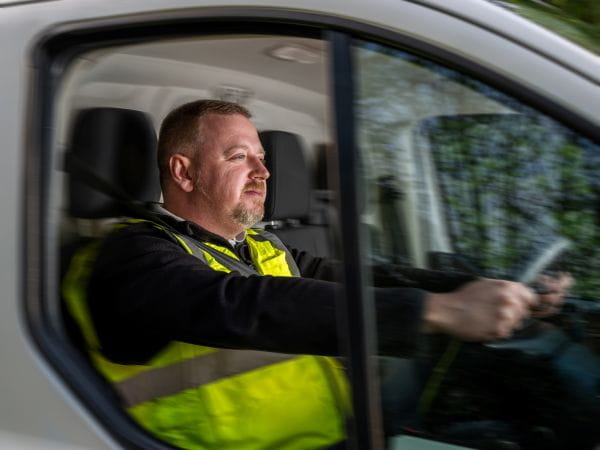
Scheme to recognise commitment to transport staff wellbeing launched by Road Haulage Association
By Orchie Bandyopadhyay on 01 October 2026
A new Wellbeing Recognition Scheme designed to allow organisations across the HGV, coach and van sectors to demonstrate their commitment to improving the health, wellbeing and resilience of the industry’s workforce has been launched by the Road Haulage Association (RHA).

Cost-of-living pressure is cutting into UK workers’ productivity, says report
By Orchie Bandyopadhyay on 04 October 2026
The cost of living is the single largest financial stressor for 62% of UK workers, far outweighing concerns about retirement savings (12%) and building emergency funds (8%), a new study has revealed. Sixty-two per cent of workers admit they do not fully understand the workplace retirement plan they pay into each month, according to TELUS Health’s Q2 2026 TELUS Mental Health Index.

Employers must meet staff to discuss flexible working requests, says first secretary of state
By Orchie Bandyopadhyay on 01 October 2026
Bosses must meet with employees who request flexible working and explain their reasons for any refusals, said Louise Haigh, first secretary of state, in a speech to the Trades Union Congress (TUC) in Brighton on 15 September.