
The autumn of 2019 seems like a different age. When I spoke at our annual conference in October, I felt obliged to refer to Brexit, although the debate had wearied us all.
Opinion
Time to focus on workplace wellbeing
By
on 10 August 2020
And, when I talked of challenges on the horizon, I cannot pretend that a global pandemic was high on my list of concerns. Instead I was determined that in 2020 we would ensure workers’ rights were protected, however Brexit came about and whoever was in government.
And I wanted to bring to life a long-held ambition to develop a new approach to delivering workplace wellbeing. So, as we approach the autumn of 2020, after a very challenging spring and far from ideal summer, I am glad that a big part of our plans for the year are now coming to fruition.
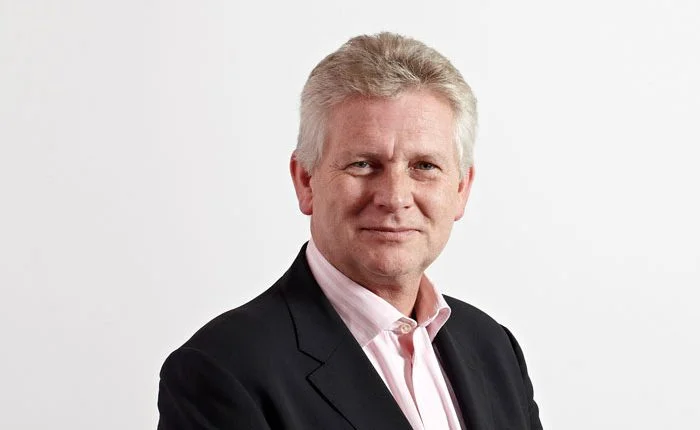
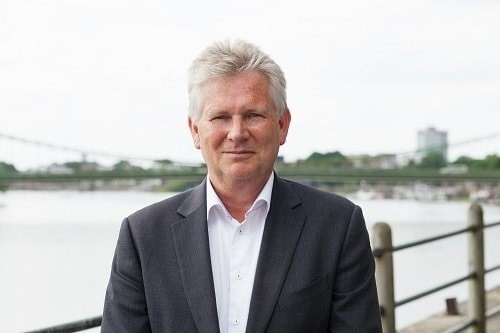 Mike Robinson: "Time to focus on workplace wellbeing."
I hope that the coronavirus experience has reset some attitudes to workers’ rights. The government has recognised that public sector workers need a pay rise and the Chancellor Rishi Sunak echoes the views of many when he says “these past months have underlined what we always knew, that our public sector workers make a vital contribution to our country and that we can rely on them when we need them.”
I hope that the government will bring forward the long-awaited employment bill later this year and I hope they offer the same recognition to frontline workers beyond the public sector. It’s quite right to clap for our carers, but we should also be clapping for those working in retail and in distributions centres, collecting our waste and manufacturing ventilators and transporting PPE.
Many people reading this magazine will have been working from home, but that has not been the universal experience. I hope that this crisis will help accelerate a trend towards more dignity for workers, especially the lowest paid, just as it has reminded us of our obligations to the NHS.
So, I hope that a renewed focus on employee wellbeing can be another legacy of the pandemic. When we were lobbying the political parties ahead of the general election, we made clear that parity for mental health and physical health should be all of our ambitions. For an organisation like the British Safety Council, steeped in health and safety, protecting workers and reminding employers of their duty of care, expanding that remit to include mental health and wellbeing has been a natural evolution.
Just as bad health and safety practices are ultimately costly for employers, poor mental health at work costs UK employers up to £45bn a year. In 2017/18 15.4m working days were lost as a result of mental health issues, an increase from 12.5m in 2016 according to the Health and Safety Executive (HSE).
Over half of all days off ill are attributed to mental health. And yet, only a third of private sector employees have a specific wellbeing strategy.
In developing our wellbeing programme – Being Well Together – we looked at why so few organisations had wellbeing plans. Some leaders think it’s too time-consuming, others that workers won’t engage. But that’s short-sighted.
The next generation of employees are more aware of and more comfortable talking about mental health, diet, financial challenges and addiction than ever. They expect employers to do more than just offer 20% off the local gym or to put out a bowl of fruit once a week.
The best employers had good workplace safety practices long before the Health and Safety at Work Act 1974. The best employers today are embracing wellbeing strategies that take a holistic approach to their employees’ needs.
Perhaps a new law won’t be needed, but the British Safety Council will be campaigning for workers’ wellbeing with just as much vigour as we have always campaigned for workplace health and safety. And it’s just as important that we do.
Mike Robinson FCA is chief executive of the British Safety Council
OPINION
Building a future worth working in
By Mike Robinson FCA, British Safety Council CEO on 12 October 2026
It’s easy to become myopic about the future of work. Take a quick look at the world today and the signs can seem discouraging: political instability, economic volatility, the accelerating disruption posed by AI and climate change. Together, these factors paint a picture of uncertainty that can make our belief in progress seem naïve and tempt us into believing that the future can be no better than the past, that our best days are now behind us. That would be a profound failure of imagination.

Rethinking homes as centres of economic activity (amongst other things)
By Andy Lake, Flexibility.co.uk on 08 October 2026
The decentralisation of work away from fixed workplaces, the rise of AI and demographic changes are creating new opportunities for people to carry out ‘hands-on’ work in the home, such as production of fashion, textiles, food and drink, and delivery of health services and therapies. However, our existing housing stock is not designed to accommodate such functions, so it’s essential that future town planning creates homes that support different kinds of enterprise, both to support business success and the wellbeing of these new home-based workers.
Learning that saves lives
By Mike Robinson, chief executive, British Safety Council on 11 September 2026
Success can sometimes be a problem. The better we become at preventing incidents, the harder it can be to see what is actually preventing them.