

Personal Protection Equipment

    Half Mask Credit Draeger

    Respiratory protective equipment: getting the basics right

    Respiratory protective equipment (RPE) is a vital tool for protecting workers from hazardous substances that pose an immediate risk to life and the risk of serious and fatal diseases at a later stage. However, RPE will only provide an effective level of protection if it is carefully selected to match the respiratory hazard, type of work and the physical attributes of the wearers.

    By Ian Kelsall, Draeger Safety UK on 09 September 2025

    Hazardous Substance PPE Worker MED Istock Credit Adamgregor

    RPE fit testing: choosing the correct method

    If tight-fitting respiratory facepieces are required to protect against inhalation of hazardous substances, wearers must undergo a fit test by a competent person. However, it’s essential employers understand the benefits and shortcomings of the available test methods.

    By Paul Salisbury, Fire Safe International Ltd on 04 September 2025

    Ears Painful Man MED Istock

    The UK Hearing Conservation Association: how we work to promote the protection of the nation’s hearing health

    The UK Hearing Conservation Association is a multi-disciplinary association that strives to prevent damage to the nation’s hearing health and other noise-related health conditions through a combination of practical, evidenced and cost-effective campaigns, awareness-raising activities and best-practice advice. It is therefore a great forum for those wishing to keep abreast of the latest developments around hearing health – both in the workplace and in recreational settings.

    By Leah Philpott, member, UKHCA At Work Group  on 14 March 2025

    Woman Wearing PPE Mask Draeger Safety UK

    RPE: the significance of inclusivity in respiratory protection

    Problems with the fit of some disposal filtering facepiece respirators across the variety of face shapes and facial features found in the workforce, means those who fall outside of the standard facial dimensions may not be getting full protection from respiratory risks. This has prompted one leading RPE manufacturer to develop a new design that provides a good fit for a wider range of different face shapes and sizes, keeping more people safe in the workplace.

    By Ian Kelsall, Draeger Safety UK on 05 September 2024

    Work Boots Railway HAIX

    Railway worker safety: the vital role of slip-resistant footwear

    Workers in the rail industry can be at particular risk of slips, trips and falls due to the diverse nature of the tasks and working environments, but the likelihood of injury can be reduced through the careful selection and provision of suitable slip-resistant footwear.

    By Simon Ash, HAIX on 29 July 2024

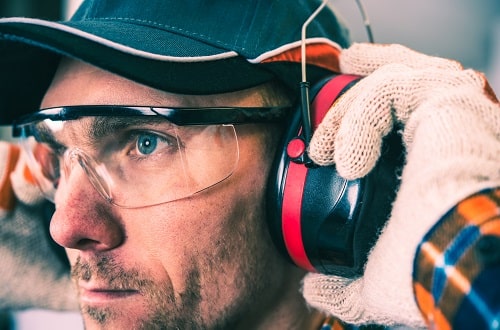
    Ear Protectors and Gloves iStock

    Why we need to harness new technology to prevent noise-induced hearing loss

    It is 50 years this year since I started an engineering apprenticeship with Black Country-based GKN Sankey, to be told upon walking into a very noisy high-speed blanking and piercing shop (with power presses running at 400 blows per minute), “don’t worry son, you’ll get used to it”.

    By Neal Hill, consultant and member of UKHCA on 11 March 2024
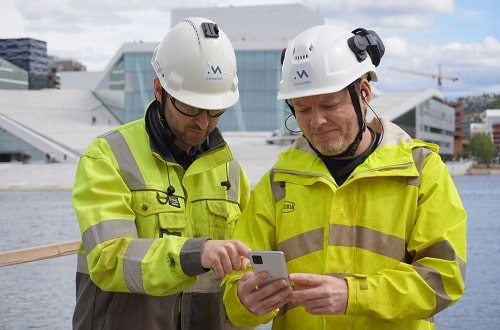
    Minuendo Hard Hats

    Why personalised noise monitoring is critical for preventing noise-induced hearing loss

    Intelligent hearing protection technology is now available that provides personalised data about an individual’s noise exposure, making it easier to both spot workers at greatest risk of hearing damage and identify ways of reducing noise exposure.

    By Neal Muggleton, Minuendo on 11 March 2024

    Woman with earplugs istock casaraguru

    Preventing hearing damage and cutting costs: practical noise control is key

    Employers often wrongly assume that noise control techniques for machinery are both costly and impractical. In fact, simple, very low-cost engineering modifications that anyone can implement are often all that are required – and they may even be self-financing.

    By Peter Wilson, Industrial Noise and Vibration Centre (INVC) on 14 March 2024

    Man in Eave Ear Protectors 1

    How smart hearing protection is driving reductions in noise exposure at work

    Smart hearing protection technology can provide feedback to workers on harmful noise levels and identify noise sources overlooked by conventional workplace risk assessments, as shown by recent research on the HS2 railway construction project.

    By Dr David Greenberg, Eave on 06 March 2024

    Nail in Shoe

    Running into problems with safety footwear

    Tests show a significant amount of safety footwear on the UK market does not perform as advertised, potentially putting workers at risk of serious injury, but there is a quick way to check the products you purchase meet the required standard.

    By Alan Murray, BSIF on 20 February 2024