


Hazardous substances

    Emma Tattersdill

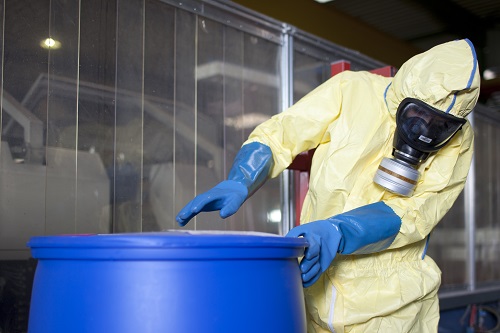
    Managing hazardous waste: environmental regulation and practical tips for EHS managers

    A failure to properly classify, store, handle and dispose of hazardous waste can result in civil or criminal penalties. It is therefore essential that businesses have an appropriate management system to ensure waste is correctly identified, accompanied by the correct documentation and handled only by licensed contractors.

    By Emma Tattersdill, Bexley Beaumont law firm on 17 April 2026

    Mike Robinson 3 Med

    The long shadow of exposure: confronting the hidden burden of harmful substances

    In the sphere of workplace injuries, not all harm is immediate. Some of the most profound impacts on human health at work unfold slowly, out of sight and, seemingly, out of mind. Their effects accumulate and compound casting a long shadow over our working lives; one that may stretch years or decades beyond the initial point of exposure.

    By Mike Robinson FCA, British Safety Council on 15 April 2026

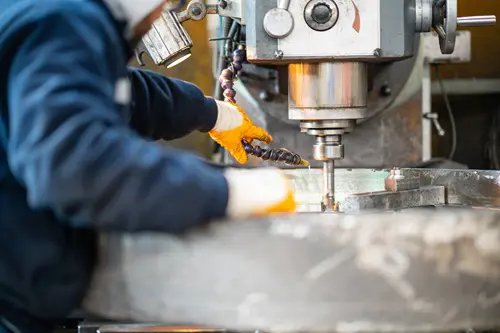
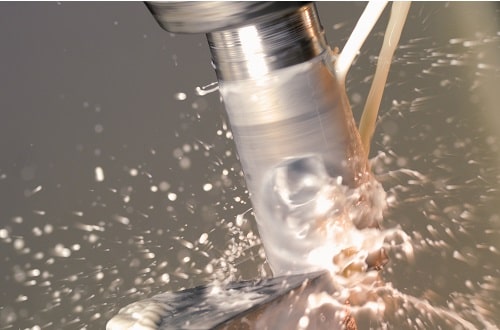
    Metal Working Fluid MED Istock 1291968449 Credit Rainstar

    Metalworking fluids: why complacency may be the biggest danger

    Exposure to metalworking fluids can cause serious and devastating occupational diseases like asthma and dermatitis, so it’s essential employers regularly review their control measures rather than simply assuming workers are automatically protected.

    By Andy Hooke CMIOSH TIFSM, AH Safety and Compliance on 02 April 2026

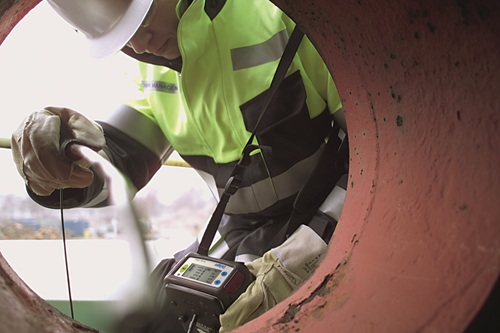
    Credit Dräger 2

    Portable gas detection: back to basics

    Portable gas detectors are a vital safety tool for tasks like water treatment and refrigerated food processing, but it’s essential they form part of a wider system for controlling the risks posed by gases, including staff training, detector maintenance and a thorough understanding of the relevant legal duties.

    By Megan Hine, Draeger Safety UK on 02 April 2026

    Targeting Dust Istock 1132733272 Simonkr

    Targeting dust in construction

    Rohan Jindal was cycling to college in Dehli where he was studying engineering, when he had to stop. Not because of the hot sun beating down, but because he couldn’t breathe. And although asthmatic, that wasn’t the trigger. Looking all around he saw construction sites emitting large clouds of dust. This was his ‘a ha’ moment. “What,” he asked himself “do they do in construction to supress the dust?”

    By Belinda Liversedge on 30 October 2025

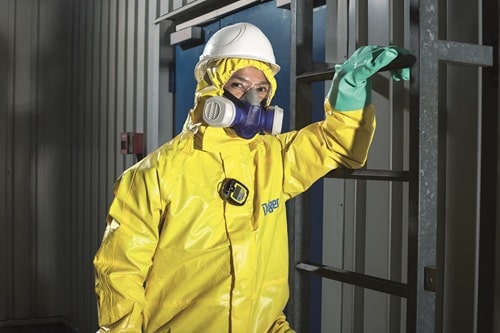
    Half Mask Credit Draeger

    Respiratory protective equipment: getting the basics right

    Respiratory protective equipment (RPE) is a vital tool for protecting workers from hazardous substances that pose an immediate risk to life and the risk of serious and fatal diseases at a later stage. However, RPE will only provide an effective level of protection if it is carefully selected to match the respiratory hazard, type of work and the physical attributes of the wearers.

    By Ian Kelsall, Draeger Safety UK on 09 September 2025

    Hazardous Substance PPE Worker MED Istock Credit Adamgregor

    RPE fit testing: choosing the correct method

    If tight-fitting respiratory facepieces are required to protect against inhalation of hazardous substances, wearers must undergo a fit test by a competent person. However, it’s essential employers understand the benefits and shortcomings of the available test methods.

    By Paul Salisbury, Fire Safe International Ltd on 04 September 2025

    Metalworking fluids

    Businesses are failing to protect workers from dangers of metalworking fluids

    More than half of manufacturing businesses that use metalworking fluids are failing to adequately protect employees, inspections carried out by Health and Safety Executive (HSE) have shown.

    By Kerry Reals on 17 January 2024

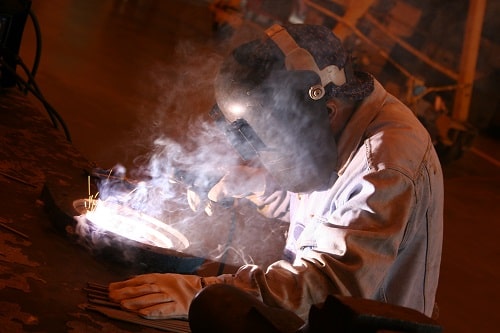
    Welding hazardous substances hood helmet

    Airborne hazards: a major danger

    Exposure to substances like welding fume and metalworking fluids can cause serious and life-threatening diseases, but the risk can be eliminated or reduced through the correct use of controls.

    By David Flower, Institute of Occupational Medicine (IOM) on 13 December 2023