

In the sphere of workplace injuries, not all harm is immediate. Some of the most profound impacts on human health at work unfold slowly, out of sight and, seemingly, out of mind. Their effects accumulate and compound casting a long shadow over our working lives; one that may stretch years or decades beyond the initial point of exposure.
Opinion
The long shadow of exposure: confronting the hidden burden of harmful substances
By
on 15 April 2026
In health and safety, we are rightly focused on preventing immediate incidents: the fall, the collision, the moment where something goes wrong and changes a life forever. But harmful and hazardous substances, the theme of this issue of Safety Management, operate on a different timescale. Their scale of risk, however, is equally as dangerous as any immediate workplace accident or injury.
This is the uncomfortable reality of occupational health today; while we have become increasingly effective at managing acute safety risks, chronic exposures remain an under-recognised threat to which we can easily attribute thousands of deaths each year.
Take asbestos. Despite a UK wide ban in 1999, its legacy is far from over. It remains present in thousands of buildings, creating a risk for those who might come into contact with stray fibres.
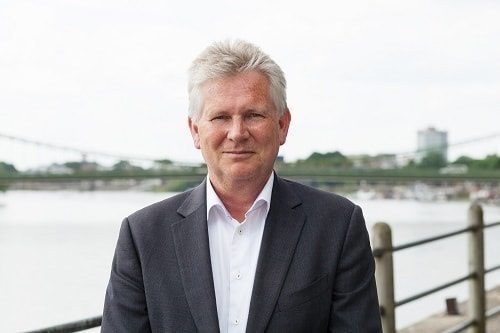 Mike Robinson: "What we choose to control today will define what others are forced to endure tomorrow."
That’s everyone from students in classrooms to patients in hospitals, from technicians to asbestos specialists (and everyone else in between). Consistently, year-on-year, around 5,000 people in the UK die from historic asbestos exposure, making it the single largest workplace killer. Not a killer in a past tense, but one that is active, and whose impacts will be felt well into the next century.
Silica exposure presents a similarly stark challenge for the workers of today and tomorrow. Silicosis is entirely preventable, yet it continues to affect workers in hundreds of workplaces, across sectors from construction to manufacturing.
The rise of new materials and new fabrication techniques has, in some cases, intensified exposure risks, reminding us that progress in one direction can introduce risks in another, if not carefully managed and mitigated.
We are also grappling with emerging concerns around so-called ‘forever chemicals’. Their persistence in the environment and the human body raises fundamental questions about how we assess risk in the long term.
When a substance does not readily break down, the traditional boundaries of workplace exposure begin to blur, extending into our communities and ecosystems.
Even environments perceived as low risk are not immune. Indoor and ambient air quality, whether in offices, healthcare settings or commercial kitchens, plays a critical role in long-term health outcomes.
Exposure to particulate matter may not trigger immediate alarm, but over time, it contributes to a cumulative burden that we are only just beginning to fully understand.
So, what does safety leadership look like in the face of risks that are not immediately visible?
First, it requires a fundamental shift in perspective; from reacting to harm, to anticipating it. The absence of symptoms today cannot be mistaken for the absence of risk. We must invest in monitoring, in research, and in early intervention, even when the business case is not immediately obvious.
Second, we must recommit to prevention at every level. The hierarchy of control remains our most powerful tool, yet too often we default to personal protective equipment as the primary safeguard. PPE is essential, but it should never be the cornerstone of our strategy. Eliminating or reducing exposure at source is not only more effective – it’s a safety imperative.
Above all, we must recognise that this is not solely a workplace issue. Hazardous substances move through supply chains, across environments, and into everyday life. Addressing them requires collaboration between industries, regulators, and public health bodies. There is a tendency, in complex areas such as this, to accept a degree of uncertainty as inevitable. But uncertainty must not become an excuse for delay or a justification for inaction.
The long shadow of exposure challenges us to think differently, and it calls us to lead differently. It asks us to act not just for the present workforce, but for workers we will never meet, whose names we’ll never know. And that is the essence of true safety leadership: a willingness to take responsibility for outcomes that lie beyond our line of sight, to intervene before harm has a voice, and to place long-term health on equal footing with immediate safety. Because what we choose to control today will define what others are forced to endure tomorrow; and there can be no stronger mandate for action than that.
Mike Robinson FCA is Chief executive of the British Safety Council
OPINION

Building a future worth working in
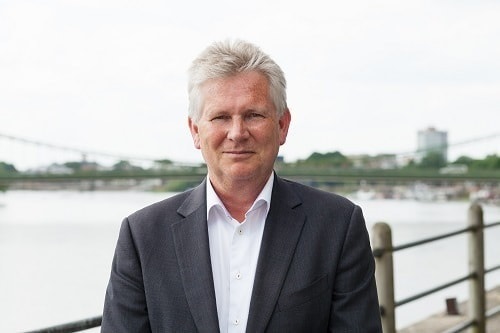
By Mike Robinson FCA, British Safety Council CEO on 12 October 2026
It’s easy to become myopic about the future of work. Take a quick look at the world today and the signs can seem discouraging: political instability, economic volatility, the accelerating disruption posed by AI and climate change. Together, these factors paint a picture of uncertainty that can make our belief in progress seem naïve and tempt us into believing that the future can be no better than the past, that our best days are now behind us. That would be a profound failure of imagination.

Rethinking homes as centres of economic activity (amongst other things)
By Andy Lake, Flexibility.co.uk on 08 October 2026
The decentralisation of work away from fixed workplaces, the rise of AI and demographic changes are creating new opportunities for people to carry out ‘hands-on’ work in the home, such as production of fashion, textiles, food and drink, and delivery of health services and therapies. However, our existing housing stock is not designed to accommodate such functions, so it’s essential that future town planning creates homes that support different kinds of enterprise, both to support business success and the wellbeing of these new home-based workers.
Learning that saves lives
By Mike Robinson, chief executive, British Safety Council on 11 September 2026
Success can sometimes be a problem. The better we become at preventing incidents, the harder it can be to see what is actually preventing them.