
Learning that saves lives
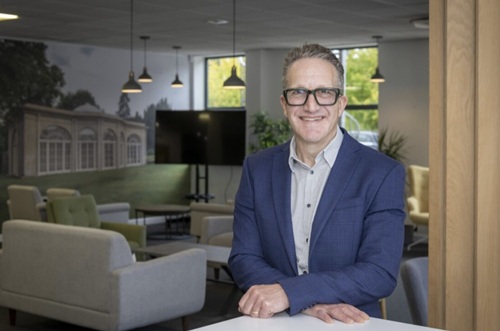
Success can sometimes be a problem. The better we become at preventing incidents, the harder it can be to see what is actually preventing them.
By Mike Robinson, chief executive, British Safety Council on 11 September 2026
Success can sometimes be a problem. The better we become at preventing incidents, the harder it can be to see what is actually preventing them.
By Mike Robinson, chief executive, British Safety Council on 11 September 2026
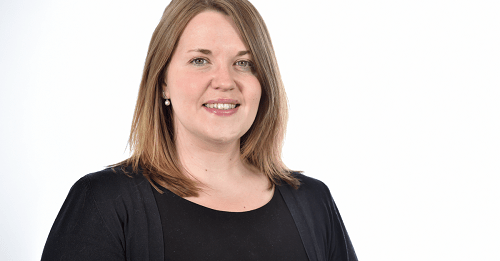
Migraine can have a profound, and often avoidable, impact on people’s working lives and careers. The Government’s growing focus on workplace health offers an important opportunity to change this, but only if this common, often disabling and frequently invisible neurological condition is properly understood and addressed by Government, the NHS and employers.
By Rob Music, The Migraine Trust on 07 September 2026
With rising temperatures posing a growing health risk to UK workers, the TUC is calling for HSE guidance to be updated to require employers to take specific steps to protect workers' wellbeing when temperatures exceed pre-set trigger points.
By Huma Haq, TUC on 01 August 2026
Much of the conversation about artificial intelligence (AI) and the future of work is framed as a question of tomorrow. How will AI reshape entire industries in the years and decades to follow?
By Mike Robinson FCA, British Safety Council on 08 July 2026
Algorithmic management is reshaping how work gets done. But protecting the health and wellbeing of workers requires more than good technology – it calls for genuine respect for autonomy and thoughtful change management. Long-standing OSH guidance can help.
By David Sharp, International Workplace on 06 July 2026
Artificial intelligence (AI) has the potential to radically transform the way we work. Public debate has largely focused on the prospect of AI automating human jobs, but in the here and now it’s more likely that AI will change the day-to-day experience of work than replace humans altogether.
By Joseph Evans, IPPR on 30 June 2026
The workplace is one of the main fronts in the battle against mental ill health and the current mental health crisis. Work takes up a significant portion of our day-to-day lives, and being in secure, paid employment at a workplace that values the health of employees makes a hugely positive difference to our mental health.
By Michael Hough, Mental Health Foundation on 08 June 2026
Much of today’s debate about economic growth revolves around familiar pressures: economic inactivity, labour shortages, stagnant productivity, and the challenge of remaining competitive in a rapidly shifting global landscape.
By Mike Robinson FCA, British Safety Council on 04 June 2026
How does a personal injury lawsuit differ from a workplace safety investigation? In light of Stephen Fry’s claim over his 2023 stage fall, John Kushnick, legal director at the National Accident Helpline, highlights the key differences between civil and criminal safety law, from the power of a risk assessment to proving contributory negligence.
By John Kushnick, National Accident Helpline on 03 June 2026
For decades, occupational safety and health systems have focused on preventing physical harm at work. This focus has saved lives and significantly reduced workplace accidents. However, one of the most significant sources of harm in today’s workplaces remains under-recognised: psychosocial risks.
By Manal Azzi, International Labour Organization (ILO) on 03 June 2026
Recent high-profile HSE enforcement action on work-related stress suggests we are beginning to see a shift from guidance to regulatory action, making it essential employers ensure they are adequately managing the causes of stress and poor mental wellbeing at work.
By Emma Evans, Bexley Beaumont law firm on 02 June 2026
The Government’s consultation on new flexible working rights closed last month – providing a clearer picture of the mechanism for the Labour Government’s manifesto commitment to deliver flexible working ‘by default’.
By Tess Lanning, director of programmes, Timewise on 18 May 2026
There are an estimated 15 million women who menstruate in the UK, 72 per cent of whom are in work (source: ONS). Research shows that menstruation symptoms have a measurable impact on work: employees lose an average of 8.4 days of productivity each year, 13.8 per cent report taking absence during their period, and one in four say it has impacted their career.
By Deborah Garlick, CEO and founder, Menstruation Friendly by Henpicked on 15 May 2026