
Since our formation in 1957, one powerful idea has been at the core of our efforts: that no one should be injured or made ill through their work. Through the political, social and economic changes that have shaped society in the intervening years, this powerful idea remains at the heart of our work today.
Opinion
Our impact, in action: A legacy of progress and a future of possibility
By
on 01 August 2025
In late July, I was proud to publish our 2025 Impact Report, reflecting on our work throughout 2024, which saw us live out our vision, mission and purpose in practice.
This was our first Impact Report since the 50th anniversary of the Health and Safety at Work Act (1974), legislation that British Safety Council helped to shape, and which transformed the UK’s occupational health and safety landscape beyond all recognition.
The decades that followed have seen workplace fatalities and injuries fall by an estimated 80 per cent, but this didn’t happen by chance. It was the result of political will, practical insight, and persistent advocacy; principles that remain at the heart of our work today.
While legislation and regulation are essential, they are never the end of the story. We know that workplaces are changing, the nature of risk is evolving, and what it means to keep workers not only safe but healthy and well, in light of new and developing technologies, ways of working and broader questions of equity and inclusion are changing too.
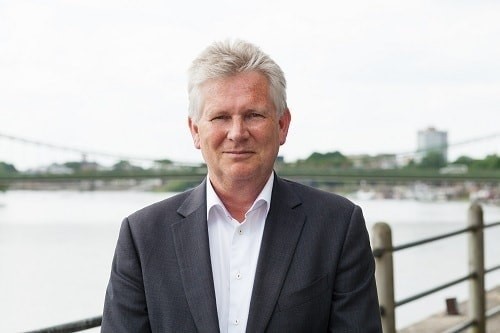 Mike Robinson: "A charity powered by purpose."
These changes and challenges, at home and around the world, were the focus of our charitable and campaigning efforts throughout 2024.
From delivering free wellbeing workshops to SMEs in the UK, to launching a new charitable initiative in India that has provided over 1,200 migrant and itinerant workers with basic OSH knowledge, we worked to extend our reach to those most at risk and least likely to have access to support.
These initiatives aimed not only to build awareness, but to empower employers and employees with the tools, confidence and understanding they need to protect themselves and others, inside and outside of work.
Through our joint research with the Institute of Occupational Medicine, Being Well in a Changing World, we helped clarify why wellbeing must be an integrated part of health and safety and not an afterthought. It showed that a focus on an integrated and holistic approach to wellbeing, one that goes beyond mental health alone, is essential to supporting workers through the rapid change defining our era. This research underscored the challenges organisations face in defining, measuring and embedding wellbeing, but it also offered solutions grounded in evidence, practicality and lived experience.
Our Impact Report also highlights the importance of collaboration. Whether through our work with the OSH Stakeholder Alliance on mental health, our contributions to national policy debates, or the work of our sister charity, Mates in Mind, whose focus on mental health (in agriculture, construction and beyond) continues to drive meaningful and lasting change.
None of this is new for us. It is a part of who we’ve been, who we are, and who we want to be.
From lobbying for landmark legislation in the 1960s to publishing timely guidance on lithium-ion battery risks or AI in the workplace today, our impact in action seeks to support employers and their workers through change and challenge, rooted in the belief that every worker, everywhere, deserves to go home safe and well at the end of each working day.
So, as you read this year’s Impact Report, I hope you’ll see not just what we’ve done, but who we are. A charity powered by purpose, who puts impact into action, and who understands that the work of health, safety and wellbeing is never finished.
Read the full report and see what was achieved here
OPINION
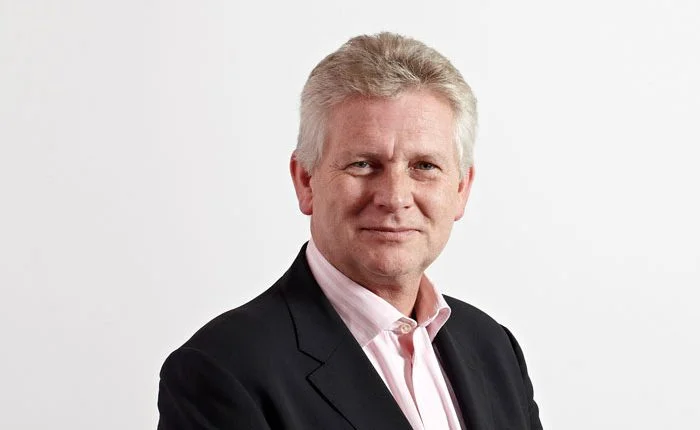
Building a future worth working in
By Mike Robinson FCA, British Safety Council CEO on 12 October 2026
It’s easy to become myopic about the future of work. Take a quick look at the world today and the signs can seem discouraging: political instability, economic volatility, the accelerating disruption posed by AI and climate change. Together, these factors paint a picture of uncertainty that can make our belief in progress seem naïve and tempt us into believing that the future can be no better than the past, that our best days are now behind us. That would be a profound failure of imagination.

Rethinking homes as centres of economic activity (amongst other things)
By Andy Lake, Flexibility.co.uk on 08 October 2026
The decentralisation of work away from fixed workplaces, the rise of AI and demographic changes are creating new opportunities for people to carry out ‘hands-on’ work in the home, such as production of fashion, textiles, food and drink, and delivery of health services and therapies. However, our existing housing stock is not designed to accommodate such functions, so it’s essential that future town planning creates homes that support different kinds of enterprise, both to support business success and the wellbeing of these new home-based workers.
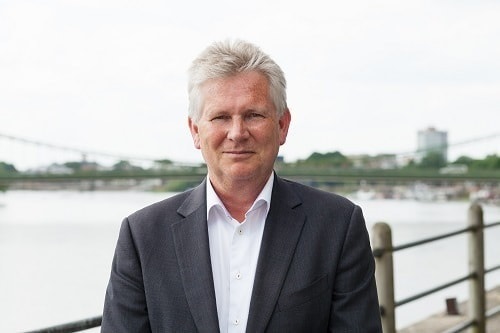
Learning that saves lives
By Mike Robinson, chief executive, British Safety Council on 11 September 2026
Success can sometimes be a problem. The better we become at preventing incidents, the harder it can be to see what is actually preventing them.