
Opinion
Inclusion saves lives: embedding equality, diversity and inclusion (EDI) into global occupational safety and health
A broader view of safety
In today’s globalised world of work, safety means more than helmets and checklists it means ensuring every person feels seen, heard, and protected. From construction sites in the Middle East to offices in Europe, workforces are increasingly multicultural, multilingual, and diverse in every sense.
This diversity is an incredible strength but only if we make our Occupational Safety and Health (OSH) systems inclusive enough to serve everyone equally.
“A safe workplace is not truly safe until everyone regardless of who they are or where they come from understands, participates, and belongs.”
Diversity and inclusion: the missing link in OSH
While the global workforce becomes more diverse, many safety systems still assume a “one-size-fits-all” model. Language barriers, cultural norms, gender roles, and social hierarchies often lead to unequal participation in safety communication and decision-making.
For example:
- Safety instructions may be shared in one dominant language only
- PPE designs may not consider female workers
- Migrant workers may hesitate to report unsafe conditions out of fear or cultural respect.
When such gaps exist, information is lost and so is protection.
Linking EDI and safety performance
Equality, Diversity and Inclusion (EDI) are not soft values they are strategic drivers of safer workplaces.
- Diverse teams bring better insight: People from different backgrounds identify risks others might overlook.
- Inclusion builds trust: When workers feel respected, they report issues early enabling prevention.
- Equality ensures fairness: When all employees receive the same protection, welfare, and opportunity, the organization gains both safety and stability.
Inclusive workplaces are not only ethical they are safer, smarter, and stronger.
Inclusive practices in action
Organisations across the globe are proving that inclusive practices lead to tangible safety improvements.
Some inspiring examples include:
- Multilingual Safety Communication: Translating procedures, signage, and toolbox talks into workers’ native languages.
- Inclusive Training Methods: Using visuals, demonstrations, and peer champions to overcome literacy gaps.
- Gender-Sensitive Safety Programmes: Ensuring PPE and welfare facilities meet the needs of all genders.
- Culturally Respectful Interventions: Designing wellbeing campaigns that respect religious and cultural beliefs.
- Accessible Work Environments: Modifying workplaces to accommodate workers with physical limitations.
Publishing and sharing these practices help build global awareness and strengthens our professional community.
Leadership commitment: turning intent into impact
True inclusion begins with leadership: When leaders advocate for diversity not as a compliance goal but as a core value the culture follows.
Inclusive leaders:
- Appoint diverse representatives to safety committees.
- Encourage open dialogue during inspections and reviews.
- Recognise inclusion champions publicly.
- Ensure welfare and training are equal for all categories of workers.
When leadership “walks the talk,” inclusion moves from posters to practice.
The role of OSH professionals
As OSH professionals, we are in a unique position to connect human understanding with organisational safety systems.
Our evolving responsibilities include:
- Integrating EDI factors into risk assessments and training design.
- Promoting psychological safety ensuring every worker can speak up.
- Sharing inclusive success stories across industries and geographies.
By doing so, we transform OSH from a compliance function into a driver of human sustainability.
Inclusion in global markets
Global organisations are realizing that inclusive safety is also good business.
Inclusive safety programs lead to:
- Better employee retention and morale.
- Improved communication and reduced incidents.
- Enhanced brand reputation in international markets.
In the Middle East, several firms have seen stronger compliance and participation after translating safety materials and introducing welfare equity programs.
Inclusion, quite literally, saves lives and strengthens organisations from the inside out.
From awareness to advocacy
Inclusion is more than awareness; it’s advocacy.
It’s about giving a voice to those who might otherwise be unheard, and ensuring that safety systems protect every individual equally.
“Safety begins when everyone is seen, heard, and respected equally.”
Publishing inclusive practices is one of the most powerful ways to inspire change across the global OSH community. Each shared story adds to the collective movement toward a world where safety and equality walk hand in hand.
Call to action
Let’s continue to advocate for diverse perspectives and cultural understanding within the OSH profession. Let’s publish, collaborate, and lead projects that turn inclusion from an idea into a practice one that safeguards people, nurtures trust, and enhances organisational resilience.
Because safety without inclusion is incomplete.
And inclusion without safety is unsustainable.
About the author
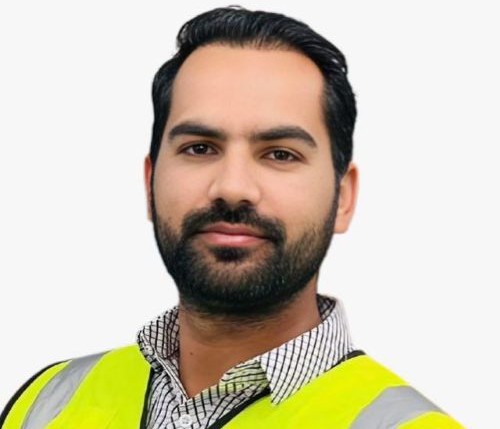
Umer Changaiz, CMIOSH, is a QHSE Manager in Saudi Arabia. Connect with him on LinkedIn.
OPINION

Rethinking homes as centres of economic activity (amongst other things)
By Andy Lake, Flexibility.co.uk on 08 October 2026
The decentralisation of work away from fixed workplaces, the rise of AI and demographic changes are creating new opportunities for people to carry out ‘hands-on’ work in the home, such as production of fashion, textiles, food and drink, and delivery of health services and therapies. However, our existing housing stock is not designed to accommodate such functions, so it’s essential that future town planning creates homes that support different kinds of enterprise, both to support business success and the wellbeing of these new home-based workers.
Learning that saves lives
By Mike Robinson, chief executive, British Safety Council on 11 September 2026
Success can sometimes be a problem. The better we become at preventing incidents, the harder it can be to see what is actually preventing them.

Migraine in work: a test of the Government’s plans to Keep Britain Working
By Rob Music, The Migraine Trust on 07 September 2026
Migraine can have a profound, and often avoidable, impact on people’s working lives and careers. The Government’s growing focus on workplace health offers an important opportunity to change this, but only if this common, often disabling and frequently invisible neurological condition is properly understood and addressed by Government, the NHS and employers.