

Age and gender matter less than leaders’ values when it comes to influence on safety performance, reveals new research.
News
New research links leadership values to reduced workplace incidents
By
on 30 January 2026
Findings in the report by RAND Europe, funded by the Global Safety Evidence Centre at Lloyd’s Register Foundation, highlight that senior management’s involvement is the “cornerstone” of an effective safety culture.
The study, a Rapid Evidence Assessment (REA) conducted to inform new international ISO standards, analysed over 80 research papers to examine how senior management contributes to OSH outcomes.
A leader’s background and personality influences workplace safety more than their characteristics, found the report.
For example, although most leaders are men in their 40s and 50s, this was less a factor than leadership styles and integrity.
 Care for employee wellbeing and ethical commitment, were consistently associated with reduced incidents. Photograph: iStock
The report found that positive leadership styles, such as care for employee wellbeing and ethical commitment, were consistently associated with reduced incidents and improved occupational safety and health outcomes.
On the other hand, overconfident leaders or those focused on short-term gains see more accidents.
The research was conducted in collaboration with the International Organization for Standardization (ISO) Technical Committee 283, to support the development of a proposed international standard focused on leadership and governance.
Nick Fahy, a director in research at RAND Europe, together with analysts Giulia Maistrello and Bhavya Singh, writing in their blog, said: “This research highlights a range of ways in which senior leaders influence safety, as well as the actions, motivations, and roles that appear most effective. More broadly, this pilot demonstrates the value of explicitly reviewing relevant evidence as part of the process of drafting standards, and it lays the groundwork for using evidence to strengthen global standards more generally.”
The report identifies four critical domains where senior leaders - including CEOs, COOs, and board members - directly influence Occupational Safety and Health.
These were: strategic direction, visible leadership, systematic oversight (mandating training, monitoring safety indicators, and rewarding safe behaviour ) and cultural Leadership (fostering a ‘just culture’, where employees can report issues without fear).
“Organisational leadership is frequently praised as a cornerstone of safety culture. But beyond the rhetoric, what does effective leadership look like in practice? It’s one thing for executives to endorse a safety policy; it’s another for them to show through their decisions and behaviour that they are driving fewer injuries, stronger reporting cultures, and healthier workplaces,” writes Fahy and his team.
“Safety performance is not only a matter of policy but also a reflection of who leads and how they lead.”
Read the full report here
NEWS
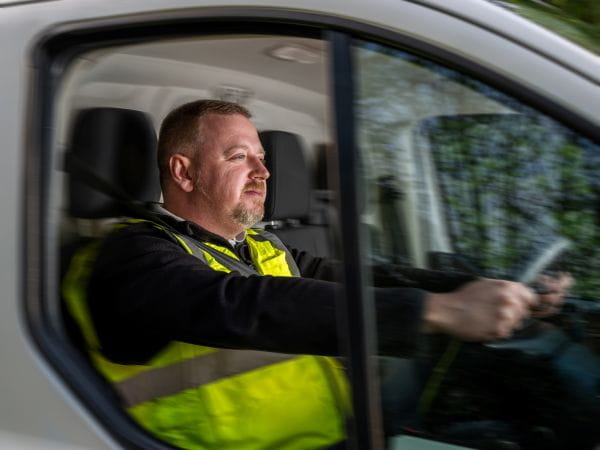
Scheme to recognise commitment to transport staff wellbeing launched by Road Haulage Association
By Orchie Bandyopadhyay on 01 October 2026
A new Wellbeing Recognition Scheme designed to allow organisations across the HGV, coach and van sectors to demonstrate their commitment to improving the health, wellbeing and resilience of the industry’s workforce has been launched by the Road Haulage Association (RHA).
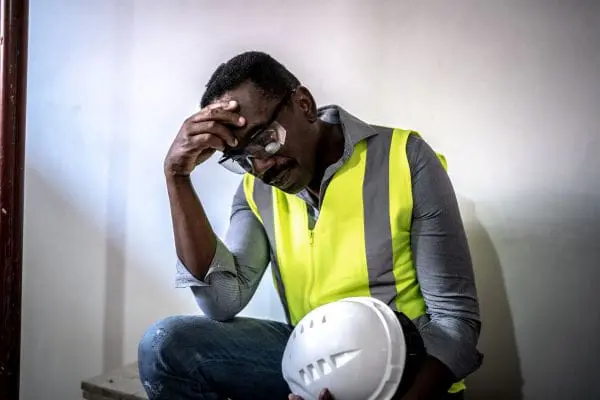
Cost-of-living pressure is cutting into UK workers’ productivity, says report
By Orchie Bandyopadhyay on 04 October 2026
The cost of living is the single largest financial stressor for 62% of UK workers, far outweighing concerns about retirement savings (12%) and building emergency funds (8%), a new study has revealed. Sixty-two per cent of workers admit they do not fully understand the workplace retirement plan they pay into each month, according to TELUS Health’s Q2 2026 TELUS Mental Health Index.

Employers must meet staff to discuss flexible working requests, says first secretary of state
By Orchie Bandyopadhyay on 01 October 2026
Bosses must meet with employees who request flexible working and explain their reasons for any refusals, said Louise Haigh, first secretary of state, in a speech to the Trades Union Congress (TUC) in Brighton on 15 September.