

Seven months after its launch, thousands of organisations have downloaded BS 30480, the British Standard on Suicide and the Workplace from BSI. But how do they now move confidently from awareness to action?
Features
Taking the first steps towards confronting suicide in the workplace
By
on 15 June 2026
Launch and uptake
On a chilly evening in November 2025, BS 30480:2025, Suicide and the Workplace – Intervention, Prevention and Support, was launched at a prestigious event in Westminster. It marked a significant moment in recognising suicide as a workplace issue.
Half a year on, the standard has been downloaded more than 12,000 times. There is a clear appetite from organisations to better understand and address suicide risk and its wider implications. But as with any standard, its impact depends on what happens next. For many employers, the challenge is not intent – it is knowing where to start.
 The First Steps Guide turns the BSI suicide prevention standard into clear, practical steps. Photograph: iStock
Why practical guidance matters
For some involved in the rollout of BS 30480, the subject is not only professional, but deeply personal. My husband Steve died suddenly by suicide in 2018. Like many families affected in this way, the experience was devastating and disorientating.
It raised questions not only about what had happened, but whether anything might have helped earlier.
In the years that followed, as I started to come to terms with this complex grief, I began to bring together my professional background in communications with my lived experience of suicide loss. This led to my involvement in the communications and engagement committee for BS 30480, supporting efforts to promote understanding and encourage uptake of the standard.
Through that work, one insight became clear. Many organisations want to take action but feel unsure how to begin. Without practical, accessible guidance, good intentions can stall. The BSI’s (British Standards Institution’s) First Steps Guide to BS 30480 was developed to bridge that gap. It helps organisations translate the standard into clear, achievable actions and build confidence in addressing what can feel like a complex and sensitive issue.
Professor Ann John, from Swansea University’s Medical School and chair of the BS 30480 Committee, champions this resource, saying: “The First Steps Guide turns the BSI suicide prevention standard into clear, practical steps. It gives organisations a simple, structured starting point for suicide prevention. Covering awareness, support pathways, intervention and support for those affected by suicide, it makes implementation manageable for any workplace.”
An accessible entry point
Adopting BS 30480 does not mean doing everything at once. It means doing something meaningful, safely and well, from any starting point.
“As an HR professional, this standard and the recommended first steps are really challenging and developing my understanding of how we can better support people through sensitive and complex situations, even when we don’t have direct personal experience ourselves,” says Tracey Skingle, people director at the British Retail Consortium.
Many more organisations are already starting to build awareness of the standard and its relevance. But awareness alone does not answer the practical questions that follow. Where do we actually start? Who should take ownership of this work? What is realistic alongside limited budgets and competing priorities? How do we begin without getting it wrong, or creating something we cannot sustain? These are common concerns.
The First Steps Guide was designed with these questions in mind. The guide was created for smaller organisations, where resources may be limited and teams dispersed, but its practical advice can be applied by organisations of any size or sector. Its principles are also adaptable for all functions and role types, whether they have experience in suicide awareness and wellbeing areas or not.
Sarah McIntosh, chief executive of Mental Health First Aid England and director of the Association of Mental Health First Aiders®, fully supports this resource and adds: “This standard and accompanying resources like the First Steps Guide transform what can feel like an overwhelming challenge into something achievable, giving workplaces of any size the tools to prevent harm, support individuals and respond with humanity when it matters most.
"For our MHFAiders® and those in similar support roles, it strengthens the frameworks they use, ensuring they are supported, empowered and part of a coherent organisational approach.”
One of the key messages within BS 30480 is that organisations are rarely starting from zero. Many already have elements in place that contribute to suicide prevention and support, including wellbeing initiatives, line management practices or existing safety procedures.
The guide builds on this foundation. Its purpose is to reduce uncertainty, increase confidence and support organisations to move from awareness to action. It outlines five practical first steps.
 Photograph: iStock
Step one: recognise the issue and commit to action
The first step is to acknowledge that suicide is a workplace issue and make a visible commitment to addressing it.
This does not require a complex strategy. A clear statement of intent, supported by leadership, is often enough to begin. Reviewing existing policies against the principles of the standard can also help. Visibility matters. Employees need to know that support is genuine and accessible. The standard also recommends identifying a lead for suicide prevention activity to maintain focus and coordination.
Step two: build awareness and understanding
Many people notice when something changes in a colleague. What they may lack is the confidence to interpret or respond.
BS 30480 highlights the importance of basic knowledge. This includes recognising warning signs, using safe language and understanding
the difference between suicidal thoughts and behaviours. This learning can be simple and practical. Short briefings and regular conversations can help normalise the subject and build confidence across teams.
Step three: share clear support pathways
Support is only effective if people know it exists and how to access it. Organisations should make internal and external support routes visible and easy to use. This may include employee assistance programmes, helplines, and national and local services.
Communication should be consistent and accessible. People need to know where to go and what to expect when they seek help.
Step four: prepare for intervention
The standard includes practical tools to help organisations recognise and respond to risk.
These include tables of warning signs, behavioural indicators and risk factors. These can be adapted into internal materials and used to support conversations.
Training is strongly encouraged, particularly for managers and leaders. Approaches should be proportionate, culturally appropriate and, where possible, trauma informed.
“I believe we can save lives and support people affected by suicide if we are ready to ask, listen, respond with care, and signpost to support,” says Julie Castleman, mental health and suicide prevention trainer at Junah Ltd and member of the Standard’s communications and engagement committee.
“The heart of our mission is helping individuals and organisations create suicide safer communities, where we talk more openly about this topic. Training like this, aligned to the standard, equips workplaces with skills to prevent suicide, respond in crisis and support those affected by suicide.”
Step five: plan for support and recovery after a suicide
While prevention is the focus, organisations also need to be prepared to respond, should a crisis or death occur. Postvention is essential for both people and operations.
The impact of a suicide, suspected suicide or suicide attempt can be profound and complex. Investigations, inquests and stigma can add further challenges. Employees may be affected in different ways depending on their experiences, cultures and beliefs. A clear and compassionate plan helps ensure communication and support are handled with care.
Starting small
The First Steps Guide encourages organisations to identify what support already exists, address immediate gaps and adapt their approach to their own context.
For many organisations, implementing a new standard can feel daunting. BS 30480 is not intended to overwhelm. It is designed to enable.
As Marcus Long, chief executive of IIOA, chair of the communications and stakeholder group for BS 30480 and instigator of the Standard, said: “The publication of BS 30480 is a huge achievement, but its impact depends on organisations being able to confidently implement its principles.
“That’s why the First Steps Guide is so important. It distils the standard into clear, practical actions that any organisation can begin right now. I urge employers to download and use the guide. Everyone will find something achievable and meaningful they can put in place to help address the often-hidden issue of suicide.”
Caroline Roodhouse is a survivor of bereavement by suicide and a suicide prevention and postvention communications consultant. She is also the author of Suicide and the Workplace: A Practical First Steps Guide and the Amazon bestseller, Daddy Blackbird: the true story of a family surviving and thriving after loss by suicide. She is the founder of Daddy Blackbird Communications.
Contact and connect with Caroline at:
daddyblackbird.com
linkedin.com/in/caroline-roodhouse-mcipr-a5948622/
E. [email protected]
Read Caroline’s book, Daddy Blackbird:
amzn.eu/d/0fNcMAbu
Download BS 30480 Suicide and the Workplace here
Download the First Steps Guide here

FEATURES
Confined spaces: why training is key to keeping workers safe
By Adam Barker, Draeger Safety UK on 22 September 2026
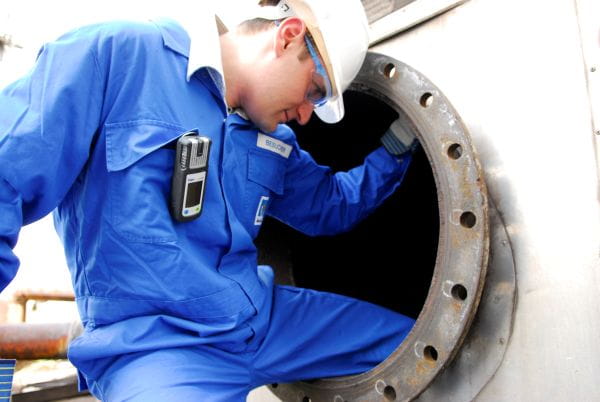
Suitable training plays an essential role in preventing fatalities and dangerous situations during work in confined, hazardous spaces like tanks, silos and sewers, but it’s essential that any course selected genuinely reflects the specific tasks, hazards and risks workers will be faced with.
Why the future of low-level access starts with rethinking old habits
By Samuel Butterworth, JLG Power Towers on 22 September 2026
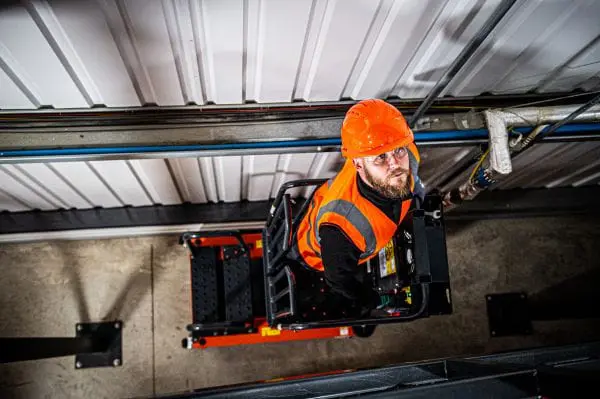
Low-level access equipment like powered lifts can help make work at height safer by providing a secure, enclosed working platform, but they can also bring other benefits, such as avoiding the need for awkward stretching to reach work areas, which helps to prevent musculoskeletal injuries.
Why paperwork alone isn’t sufficient MEWP rescue preparation
By Ben Hughes, Horizon Platforms on 22 September 2026
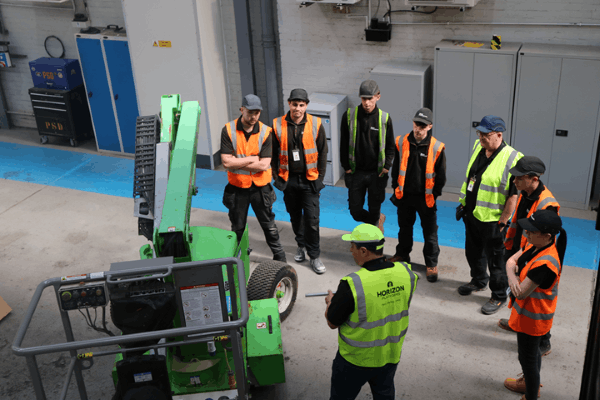
A recent safety awareness day has highlighted the importance of contractors regularly practising emergency rescue from mobile elevating work platforms, rather than relying on one-off training sessions and paper procedures that are not always easy to follow during a fast-moving incident.