BSI has published BS 30480, the UK’s first-ever national standard to help workplaces prevent and respond to suicide.
News
First workplace standard to address suicide awareness is published
By
on 13 August 2025
Developed with the Samaritans, the Department of Health and Social Care, Mates in Mind and others, the free standard gives employers practical guidance to support people affected by suicide.
The standard, published in November, is the product of a two-year collaboration between government, and industry experts, and says, BSI, is designed to complement existing research and guidance, consolidating good practice into a single, accessible framework.
 More than 5,000 people die by suicide every year in the UK. Photograph: iStock
“Until now, suicide has been an often-overlooked issue within organisations, which could mean missed opportunities for prevention and support," commented Anne Hayes, director of sectors and standards development at BSI.
"This standard provides a much-needed framework to empower employers and leaders to take meaningful action and help them build safe, compassionate workplaces where people feel supported and valued,” she continued.
BS 30480 is aimed at health and safety, HR and occupational health teams, as well as those involved in organisational wellbeing, diversity and inclusion.
Liz Twist MP said: “If we’re serious about changing the number of suicides across our society then it is clear we need a concerted effort, one in which everyone can play their part.
“BSI is stepping up to the plate to help instil a strong standard across businesses to ensure that everyone in work can have access to good quality support. Employers have responded positively throughout the process and it’s a significant step forward in ensuring that we reduce the number of suicides overall.”
In the UK, more than 5,000 people die by suicide every year and many more attempt to take their own life. In 2023, the last year for which we have data, suicides reached their highest level since 1999.
In the UK there is no official recognition of a ‘workplace suicide’ unlike some jurisdictions, notably those in Japan, the US and France.
However, HSE says that: “As an employer, there are things you can do to reduce the risk of work contributing to the causes of suicide.”
Jason Jaspal, assistant director of Business Development at Samaritans said in support of the standard: “Suicide is preventable and workplaces play an important role in this. In the UK, more than 5000 people die by suicide every year and many more attempt to take their own life, but everyone can learn the skills to have conversations that can change – and even save – lives.
"Many organisations feel out of their depth in dealing with this issue, meanwhile employees who’ve struggled at work often don’t tell anyone how they are feeling as they don't want to let anyone down or be a seen as a ‘poor performer’. Setting a standard for suicide prevention in the workplace can help tackle this stigma and equip employees with the tools needed to have lifechanging conversations that could help save a life.”
Find out more on BSI's website here
NEWS
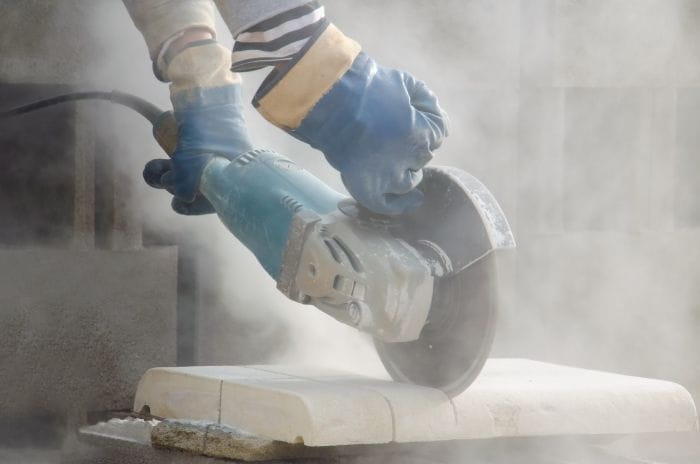
British Safety Council calls on UK Government to ban silica-containing materials
By British Safety Council on 20 August 2026
British Safety Council has called on the UK Government to ban the import and export of high silica-containing products within the next five years to protect workers from the risks associated with high-concentration silica-containing materials.
Mates in Mind launches free suicide prevention training for construction workers
By Thomas Tevlin on 13 August 2026
Mental health at work charity Mates in Mind has launched new digital training aimed at increasing awareness and reducing suicide amongst sole traders and self-employed construction workers to support World Suicide Prevention Day on 10 September.
Hidden Hazards. Recognise Risks. Protect Lives
By British Safety Council on 30 July 2026
British Safety Council launches new flagship campaign to shine a light on hidden hazards in the workplace.