

More than 840,000 people die each year from health conditions linked to psychosocial risks, such as long working hours, job insecurity, and workplace harassment, according to a new global report by the International Labour Organization (ILO).
News
ILO report: psychosocial risks are now a critical occupational safety challenge
By
on 23 April 2026
These risks are estimated to result in economic losses equivalent to 1.37 per cent of global GDP each year.
The report, the psychosocial working environment: Global developments and pathways for action, highlights the growing impact of how work is designed, organised, and managed on workers’ safety and health.
“Psychosocial risks are becoming one of the most significant challenges for occupational safety and health in the modern world of work,” said Manal Azzi, team lead on OSH policy and systems at the ILO.
“Improving the psychosocial working environment is essential not only for protecting workers’ mental and physical health, but also for strengthening productivity, organisational performance and sustainable economic development.”
 Major transformations in the world of work, including digitalisation, artificial intelligence, remote work, and new employment arrangements, are reshaping the psychosocial working environment says ILO. Photograph: iStock
Quantifying psychosocial risks
The team at ILO estimated the 840,000 deaths per year using two key sources of evidence. The first is data on the global prevalence of five major psychosocial risk factors at work: job strain (high demands combined with low control), effort–reward imbalance, job insecurity, long working hours, and workplace bullying and harassment.
The second is scientific research showing how these risks increase the likelihood of serious health conditions such as heart disease, stroke, and mental disorders, including suicide.
These risk levels were then applied to the latest global mortality and health data from the World Health Organization (WHO) and the Global Burden of Disease (GBD) study to estimate the number of deaths and DALYs attributable to these risks each year.
In addition, the report synthesises a broad body of evidence showing that psychosocial risks are linked to a wide range of mental and physical health conditions among workers, including depression and anxiety, as well as metabolic diseases, musculoskeletal disorders, and sleep disturbances.
Widespread exposure
While many psychosocial risks are not new, says the ILO, major transformations in the world of work, including digitalisation, artificial intelligence, remote work, and new employment arrangements, are reshaping the psychosocial working environment.
These changes may “intensify existing risks” or “create new ones” if not properly addressed, it adds.
More positively, the report identifies that these same shifts can offer opportunities for improved work organisation and greater flexibility, highlighting the need for proactive action.
By addressing these risks proactively, the report concludes, countries and enterprises can create healthier workplaces that benefit both workers and organisations while strengthening productivity and economic resilience.
Read the report here
NEWS
Scheme to recognise commitment to transport staff wellbeing launched by Road Haulage Association
By Orchie Bandyopadhyay on 01 October 2026
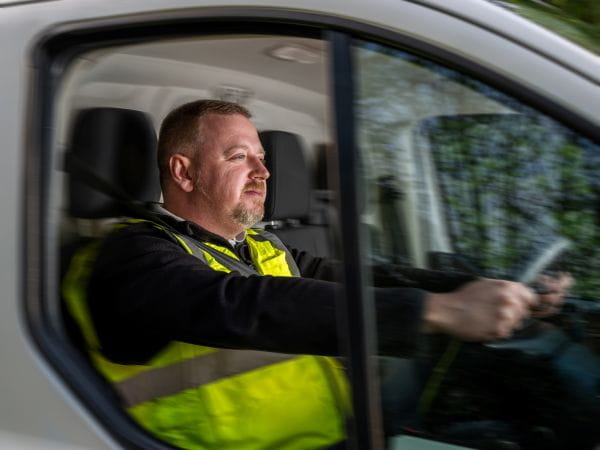
A new Wellbeing Recognition Scheme designed to allow organisations across the HGV, coach and van sectors to demonstrate their commitment to improving the health, wellbeing and resilience of the industry’s workforce has been launched by the Road Haulage Association (RHA).
Cost-of-living pressure is cutting into UK workers’ productivity, says report
By Orchie Bandyopadhyay on 04 October 2026
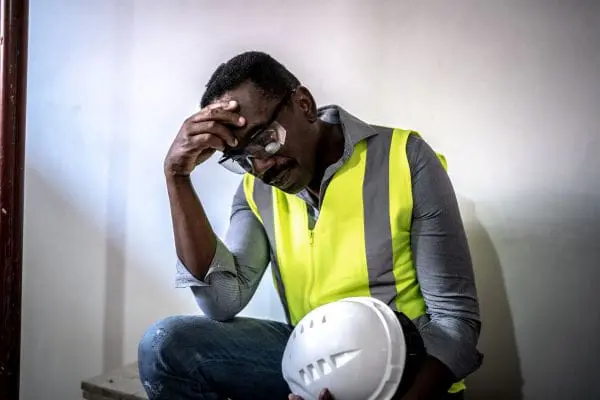
The cost of living is the single largest financial stressor for 62% of UK workers, far outweighing concerns about retirement savings (12%) and building emergency funds (8%), a new study has revealed. Sixty-two per cent of workers admit they do not fully understand the workplace retirement plan they pay into each month, according to TELUS Health’s Q2 2026 TELUS Mental Health Index.

Employers must meet staff to discuss flexible working requests, says first secretary of state
By Orchie Bandyopadhyay on 01 October 2026
Bosses must meet with employees who request flexible working and explain their reasons for any refusals, said Louise Haigh, first secretary of state, in a speech to the Trades Union Congress (TUC) in Brighton on 15 September.