

The UK must introduce a legal maximum working temperature and urgently roll out air conditioning across schools, hospitals, and care homes as UK temperatures are forecast to exceed 40C by 2050, the government’s independent climate advisers have warned.
News
UK workers “need legal heat limits” as summer temperatures set to smash 40°C
By
on 21 May 2026
In a major report published yesterday by the Climate Change Committee (CCC), experts criticised government inaction saying the "UK was built for a climate that no longer exists today."
The committee warned that attempts to limit global temperature rises to 1.5°C under the Paris agreement appear likely to fail, and the UK must now prepare for a 2.5°C increase by 2050.
By that time, heatwaves are expected to exceed 40 ºC across all parts of the UK, potentially causing an additional 10,000 heat-related deaths annually.
 By 2050 heatwaves are expected to exceed 40 ºC across all parts of the UK. Photograph: iStock
A Legal Limit on Workplace Heat
To protect people from increasingly extreme weather, the CCC urged the government to establish a maximum legal temperature for both indoor and outdoor work.
Currently, extreme heat is the deadliest climate threat facing the UK. During the 2022 heatwave, when temperatures breached 40 ºC according to the report, there were roughly 3,000 excess deaths.
The Push for Air Conditioning
The report emphasises that traditional cooling methods—such as drawing curtains, opening windows, or relying on tree shade—will no longer be enough, noting that roughly nine in 10 British homes are now at risk of overheating.
The CCC is calling for a massive infrastructure overhaul including mandatory air conditioning installation in hospitals within the next 10 years.
Speaking on Radio 4's Today programme, Baroness Brown, chair of the CCC's Adaptation Committee, said: “We need to recognise that there are aspects of our British way of life which are now really under threat from climate.”
“It's not rocket science - we know what to do [… but] we haven't yet seen a government that's prepared to prioritise adapting to the change of climate [... and] protecting the people and the places that we love,” she added.
Emma Howard Boyd, a professor in practice at the London School of Economics, echoed the call for immediate political prioritisation: “Heat resilience cannot continue to be treated as an afterthought. It belongs at the very top of the national resilience agenda,” she told the Guardian.
British Safety Council spoke out in support of stronger action to help employers manage the risks associated with heat in the workplace, but advocated against a rigid maximum temperature.
Director of Audit, Consultancy and Culture Change, Ian Cooke, said: "Any approach to workplace temperature limits must reflect the reality that keeping cool and comfortable is controlled by more than setting a maximum temperature. Humidity, air movement, radiant heat, the physical nature of work, PPE requirements and individual vulnerability all affect how heat is experienced and the risks it creates.
"So, rather than adopt a rigid, one-size-fits-all maximum temperature, we believe the UK should build on existing health and safety principles, based on risk assessment and reasonably practicable controls.
“As climate change increases the frequency and intensity of heatwaves, protecting workers from heat stress and thermal discomfort must become a core part of workplace risk management. The focus should remain on creating safe, healthy and productive working environments, rather than relying solely on absolute temperature limits that may not reflect the actual level of risk.”
According to HSE guidance, employers should provide a "reasonable working temperature" in workrooms and provide rest facilities where necessary, especially for "hot work."
A Well Adapted UK: the fourth assessment of UK Climate Risk report is here

NEWS
Scheme to recognise commitment to transport staff wellbeing launched by Road Haulage Association
By Orchie Bandyopadhyay on 01 October 2026
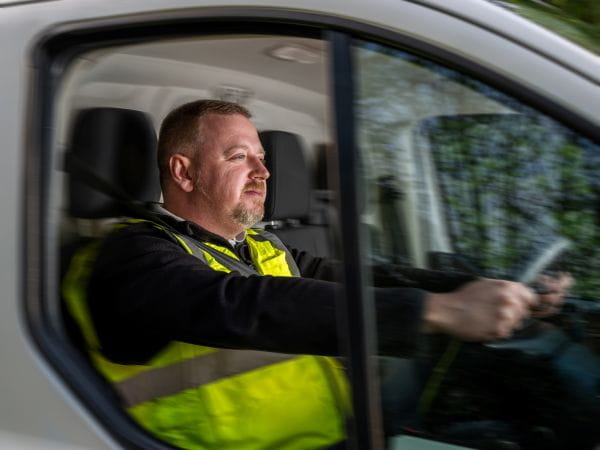
A new Wellbeing Recognition Scheme designed to allow organisations across the HGV, coach and van sectors to demonstrate their commitment to improving the health, wellbeing and resilience of the industry’s workforce has been launched by the Road Haulage Association (RHA).

Cost-of-living pressure is cutting into UK workers’ productivity, says report
By Orchie Bandyopadhyay on 04 October 2026
The cost of living is the single largest financial stressor for 62% of UK workers, far outweighing concerns about retirement savings (12%) and building emergency funds (8%), a new study has revealed. Sixty-two per cent of workers admit they do not fully understand the workplace retirement plan they pay into each month, according to TELUS Health’s Q2 2026 TELUS Mental Health Index.

Employers must meet staff to discuss flexible working requests, says first secretary of state
By Orchie Bandyopadhyay on 01 October 2026
Bosses must meet with employees who request flexible working and explain their reasons for any refusals, said Louise Haigh, first secretary of state, in a speech to the Trades Union Congress (TUC) in Brighton on 15 September.