

With Britain facing the first widespread heatwave this summer, the TUC is calling on employers to make sure their staff are protected from the sun and heat. The warning comes as an amber heat health alert has been extended in the South West by 15 hours as temperatures above 30C (86F) are forecast.
News
"This weather isn’t much fun if you’re stuck in an overheated workplace": heatwave advice for employers
By
on 01 July 2025
The Met Office and UK Health Security Agency (UKHSA) alert it had initially put in place was until 18:00 BST on Tuesday, but now it has announced this would continue until 09:00 BST on Wednesday.
 London's Heathrow was the hottest place in the UK yesterday, reaching 33.1C, closely followed by St James's Park at 33C. Photograph: iStock
Health warning
Working in hot weather can lead to dehydration, muscle cramps, rashes, fainting, and – in the most extreme cases – loss of consciousness.
Alongside risks from heat, sun exposure makes outdoor workers three times more likely to develop skin cancer.
The TUC says employers can help their workers by:
- Temporarily relaxing their workplace dress codes: Encouraging staff to work in more loose, casual clothing – leaving the jackets and ties at home – will help them keep cool.
- Keeping staff comfortable: Allowing for frequent breaks and providing a supply of cold drinks will all help keep workers cool.
- Allowing flexible working: Giving staff the chance to come in earlier or stay later will let them avoid the stifling and unpleasant conditions of the rush hour commute. Employers should also consider enabling staff to work from home while it is hot.
- Keeping workplace buildings cool: Workplaces can be kept cooler and more bearable by taking simple steps such as using air conditioning, fans, moving staff away from windows or sources of heat.
- Climate-proofing workplaces: Preparing buildings for increasingly hot weather, by installing ventilation, air-cooling and energy efficiency measures.
- Talking and listening to staff and their unions: Staff will have their own ideas about how best to cope with the excessive heat.
And for staff working outside, the TUC recommends:
- Sun protection: Prolonged sun exposure is dangerous for outdoor workers, so employers should provide sunscreen as a form of personal protective equipment.
- Sensible hours and shaded areas for outdoor workers: Outside tasks should be scheduled for early morning and late afternoon, not between 11am-3pm when UV radiation levels and temperatures are highest. Employers should provide canopies or shades where possible.
TUC General Secretary Paul Nowak said: “Most of us will welcome the chance to enjoy some proper summer weather. But this weather isn’t much fun if you’re stuck in an overheated workplace.
“Indoor workplaces should be kept at comfortable temperatures, with relaxed dress codes and flexible working to make use of the coolest hours of the day.
“And employers must make sure outdoor workers are protected with regular breaks, lots of fluids, plenty of sunscreen and the right protective clothing.
He added that with heatwaves becoming more common, we need to adapt: "We need new laws on maximum working temperatures, improvements to workplaces to keep them cool, and climate action to reduce global heating.”

NEWS
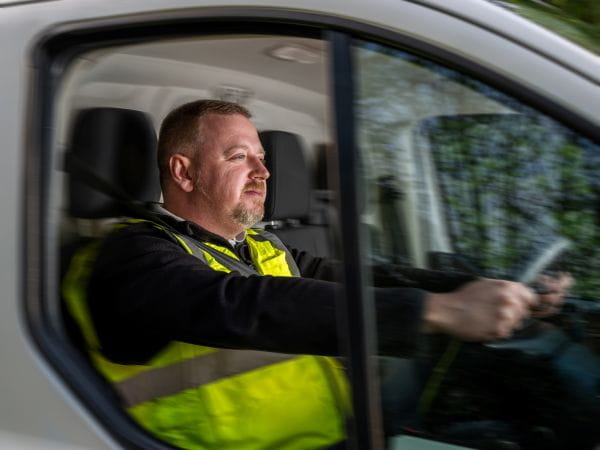
Scheme to recognise commitment to transport staff wellbeing launched by Road Haulage Association
By Orchie Bandyopadhyay on 01 October 2026
A new Wellbeing Recognition Scheme designed to allow organisations across the HGV, coach and van sectors to demonstrate their commitment to improving the health, wellbeing and resilience of the industry’s workforce has been launched by the Road Haulage Association (RHA).

Cost-of-living pressure is cutting into UK workers’ productivity, says report
By Orchie Bandyopadhyay on 04 October 2026
The cost of living is the single largest financial stressor for 62% of UK workers, far outweighing concerns about retirement savings (12%) and building emergency funds (8%), a new study has revealed. Sixty-two per cent of workers admit they do not fully understand the workplace retirement plan they pay into each month, according to TELUS Health’s Q2 2026 TELUS Mental Health Index.

Employers must meet staff to discuss flexible working requests, says first secretary of state
By Orchie Bandyopadhyay on 01 October 2026
Bosses must meet with employees who request flexible working and explain their reasons for any refusals, said Louise Haigh, first secretary of state, in a speech to the Trades Union Congress (TUC) in Brighton on 15 September.