

The message from the HSE is clear: dry cutting of engineered stone must stop, or employers will face the consequences.
News
HSE bans dry cutting of kitchen worktops ahead of inspection drive
By
on 11 May 2026
New HSE guidance issued today makes it clear that water suppression techniques – already used by many industry leaders – are now the legal requirement.
And HSE has already embarked on a 12-month, national inspection drive to enforce the guidance and crack down on the causes of silicosis.
Learning from tragedy
As Safety Management reported last year (see: Managing a deadlier kind of dust) the tragic deaths of two young workers made headlines. The furore galvanised calls for action from MPs, trade unions, and medical professionals.
HSE spent two years researching and engaging with the industry, concluding that “the most effective and proportionate action is to make sure proper controls are in place and actively enforced.”
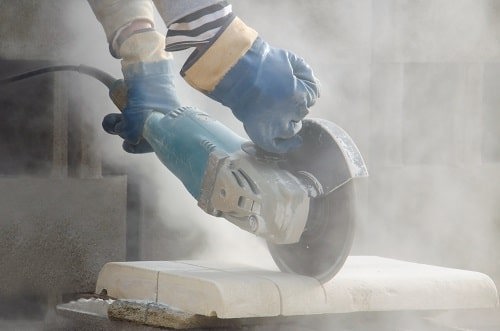 HSE has put a call out to workers handling engineered stone, asking them to get in touch if they have concerns. Photograph: iStock
Findings
HSE scientists established that dry fabrication typically results in exposure to respirable crystalline silica (RCS) five to ten times higher than wet methods using equivalent tools.
They also found that lower-content silica engineered stone is available at the same quality, removing any reason for businesses not to switch to less dangerous products.
Inspections and guidance
To help ensure these controls become universal across the industry, HSE has published a COSHH (Control of Substances Hazardous to Health) guidance sheet specifically for engineered stone.
The guidance sets out in plain English what employers must do: switch to engineered stone with a low silica content; use on-tool water suppression, control mist; provide appropriate respiratory protective equipment (RPE); and carry out regular health surveillance. These are legal requirements.
A 12-month inspection programme, already underway, will see HSE inspectors will target 1,000 fabricators across Britain.
Sir Stephen Timms, Minister for Social Security and Disability, lent his support. The guidance gives “clear, unambiguous instructions on what the law requires.”
“Every worker deserves to come home safe, without fear of losing their life to a preventable, deadly lung disease caused by their job,” he said.
Speaking for the British Occupational Hygiene Society, which has produced a free tool for workers to protect themselves from silicosis, CEO Kevin Bampton said: “While the cause of headline-grabbing acute silicosis lies with businesses which blatantly flout the law and exploit workers, HSE’s revised guidance provides much-needed clarity for the mainstream industry and for the professionals supporting it.”
“We are grateful to HSE’s science team for addressing previously unanswered questions about the effectiveness of controls. The guidance reflects this evidence base and brings clarity to what is needed to help protect workers,” he added.
 Marek, 48, died from acute silicosis traced back to his exposure while making and cutting kitchen worktops in the UK. Photograph: Leigh Day
HSE’s deputy director in engagement and policy, Mike Calcutt, said that today’s guidance marks “our most significant intervention in the engineered stone sector to date.”
“Silicosis is incurable, but it is entirely preventable. No worker should lose their life to a lung disease caused by their job, and that is why we have taken this action.
"We have spent the past two years conducting extensive research and industry engagement to understand the scale of this risk. What we found was stark. Many businesses are not putting the right controls in place, they are still using engineered stone with high silica content, and dry cutting, which must stop.
"To every employer in this sector: the guidance is now published, the expectations are clear, and our inspectors are coming. Those who are cutting corners are not just putting their workers at risk — they are undercutting the businesses doing things properly. We will create a level playing field.
"To workers handling engineered stone: know your rights and know the controls that should be keeping you safe. If you have concerns, contact HSE."
Working engineered stone: HSE guidance here

NEWS
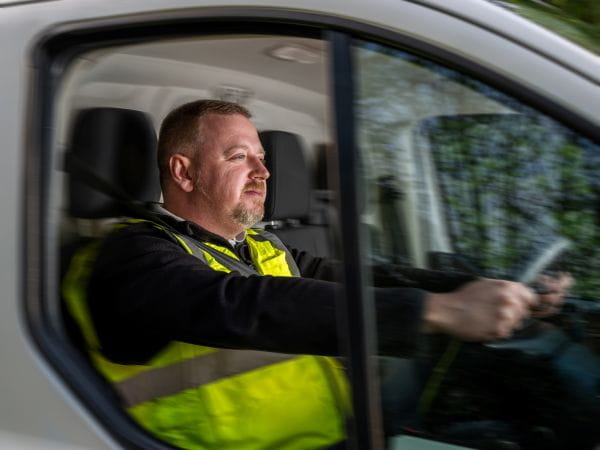
Scheme to recognise commitment to transport staff wellbeing launched by Road Haulage Association
By Orchie Bandyopadhyay on 01 October 2026
A new Wellbeing Recognition Scheme designed to allow organisations across the HGV, coach and van sectors to demonstrate their commitment to improving the health, wellbeing and resilience of the industry’s workforce has been launched by the Road Haulage Association (RHA).

Cost-of-living pressure is cutting into UK workers’ productivity, says report
By Orchie Bandyopadhyay on 04 October 2026
The cost of living is the single largest financial stressor for 62% of UK workers, far outweighing concerns about retirement savings (12%) and building emergency funds (8%), a new study has revealed. Sixty-two per cent of workers admit they do not fully understand the workplace retirement plan they pay into each month, according to TELUS Health’s Q2 2026 TELUS Mental Health Index.

Employers must meet staff to discuss flexible working requests, says first secretary of state
By Orchie Bandyopadhyay on 01 October 2026
Bosses must meet with employees who request flexible working and explain their reasons for any refusals, said Louise Haigh, first secretary of state, in a speech to the Trades Union Congress (TUC) in Brighton on 15 September.