

It’s easy to become myopic about the future of work. Take a quick look at the world today and the signs can seem discouraging: political instability, economic volatility, the accelerating disruption posed by AI and climate change. Together, these factors paint a picture of uncertainty that can make our belief in progress seem naïve and tempt us into believing that the future can be no better than the past, that our best days are now behind us. That would be a profound failure of imagination.
Opinion
Building a future worth working in
By
on 12 October 2026
Across the generations, there has been an unwritten promise that we should leave the world better than we found it. Work sits at the centre of that promise. It shapes health, income, dignity, identity, community, and opportunity. If the future of work is allowed to become a narrow debate about productivity, technology, or economic adjustment, we will miss the larger question and the larger opportunity: whether work in the decades ahead becomes more human, more secure, and more just for all.
The idea of good work is sometimes treated as an aspiration, at other times it’s derided as a utopian dream, something that ‘progressive’ employers might choose to offer when circumstances allow. In a world of rapid change, good work must be understood as the foundation of resilience; a baseline from which economies can grow and societies can thrive.

Good work cannot simply be an expression of good intentions. It has to mean something tangible: work that is safe, fairly compensated, and purposeful; work that gives people security, agency, and a meaningful voice in the decisions that affect them. Fundamentally, it means recognising that a worker is not simply a unit of labour, but a person whose health and wellbeing are inseparable from the work they do.
That matters because the forces reshaping work will not automatically deliver better outcomes for workers. AI may remove people from dangerous tasks, improve our ability to identify risks, and transform how we prevent harm, but it can also intensify work, erode autonomy, and reinforce existing inequalities. Progress is not guaranteed simply because the tools at our disposal become more sophisticated.
So, the real question is not whether work will change. It will. The question is what we want that change to achieve.
We should be ambitious about the answer. The technology, knowledge, and experience available to us create the possibility of safer, healthier, and better working lives on a scale previous generations could scarcely have imagined. We should be aiming for fewer people harmed by work, greater protection from physical and psychological risks, and workplaces in which people have the security and opportunity to thrive. The safest generation of workers in history should not, and is not, beyond our reach.
But ambition needs architecture. If good work is to survive periods of profound change, the principles underpinning it cannot be left to chance. Government, employers, and workers need clear expectations around safety, fairness, security, skills and voice, and those expectations must shape new technology and employment models from the beginning.
That means asking harder questions as decisions are made. Does this technology make work safer, or simply faster? Does a new employment model offer flexibility without sacrificing security? Are productivity gains improving working lives as well as the bottom line? And, crucially, have workers themselves had a meaningful voice in the choices being made?
These are not questions to ask after change has happened. They should shape change from the outset. Good work is not a brake on growth or innovation. It is part of the infrastructure that makes both sustainable.
The future of work is not something that simply happens to us; it is something we choose to build. If we put people, safety, and dignity at the heart of every decision, the forces reshaping work can become instruments of progress rather than sources of insecurity. The task now is to honour the promise made across generations: not merely to prepare people for the future, but to create a future worthy of them. Our best days at work are not behind us, but securing them will demand imagination, courage, and action from us all.
OPINION
Building a future worth working in
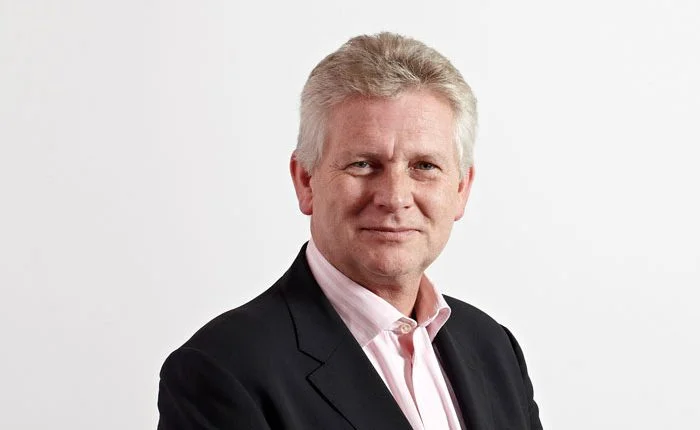
By Mike Robinson FCA, British Safety Council CEO on 12 October 2026
It’s easy to become myopic about the future of work. Take a quick look at the world today and the signs can seem discouraging: political instability, economic volatility, the accelerating disruption posed by AI and climate change. Together, these factors paint a picture of uncertainty that can make our belief in progress seem naïve and tempt us into believing that the future can be no better than the past, that our best days are now behind us. That would be a profound failure of imagination.

Rethinking homes as centres of economic activity (amongst other things)
By Andy Lake, Flexibility.co.uk on 08 October 2026
The decentralisation of work away from fixed workplaces, the rise of AI and demographic changes are creating new opportunities for people to carry out ‘hands-on’ work in the home, such as production of fashion, textiles, food and drink, and delivery of health services and therapies. However, our existing housing stock is not designed to accommodate such functions, so it’s essential that future town planning creates homes that support different kinds of enterprise, both to support business success and the wellbeing of these new home-based workers.
Learning that saves lives
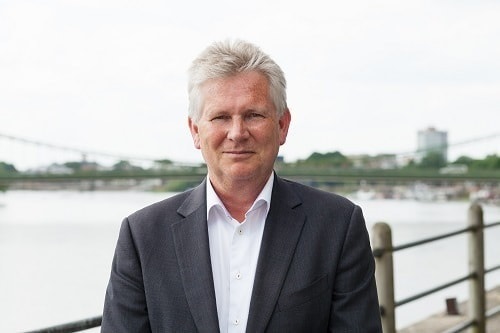
By Mike Robinson, chief executive, British Safety Council on 11 September 2026
Success can sometimes be a problem. The better we become at preventing incidents, the harder it can be to see what is actually preventing them.