
Small businesses are the lifeblood of our economy. Organisations with under 500 staff employ just over 60 per cent of people working in the private sector in the UK.
Opinion
Small, yes, but mighty!
By
on 14 July 2023
But with inflation remaining stubbornly high, following the invasion of Ukraine and the Covid pandemic, there is huge pressure on households up and down the country. So our small companies are also feeling the pinch.
Which is why we decided that, in our own small way, we would do something to support micro-sized as well as small and medium-sized enterprises (SMEs) and their employees.
As a charity, our mission is that no one should be injured or made ill through their work. And this extends to wellbeing, which in turns rests on people being safe, well and happy in the workplace.
 Mike Robinson: "When small companies and staff face challenges on so many fronts, supporting workplace wellbeing is a tangible way of increasing their chances of survival."
We know that many SMEs and micros do not have the sort of HR resource that larger companies enjoy. So, last autumn, through our Keep Thriving workplace wellbeing campaign, we offered any organisation with under 500 staff the chance to apply to attend a free three-hour workshop to explore how to develop a wellbeing strategy.
In just two months, during November and December, we received 129 applications, and by the end of the year we’d held eight workshops, delivered by our Being Well Together experts.
We still wanted to go further, so we continued with our offer into the new year and by the end of March we had received 216 applications and delivered 20 workshops in total.
For me, what was brilliant wasn’t just that people really valued and enjoyed the workshops. It was also that, when we surveyed them, they said the session not only helped their understanding of what a good strategy looks like but that discussing it with other SMEs was also really useful.
Practically none of the SMEs who attended had a wellbeing strategy written down, even if a few had wellbeing policies or interventions.
So, why does this matter? Surely, writing a wellbeing strategy is the last thing on the minds of busy small businesses facing a cost-of-living crisis?
Well, yes, when we surveyed them after the workshop, job demands came top of the list of challenges to improving their employees’ wellbeing. But second on that list was knowing where to start.
Nearly a third did say that not having enough time was their greatest barrier but the need to engage staff, and low levels of employee engagement, came very high as a reason for needing a wellbeing strategy.
It’s great that organisations want to do the right thing by having individual wellbeing policies or interventions, but the reason staff don’t engage with them is usually because the employer hasn’t listened to what their people’s needs are.
The CIPD’s annual report on health and wellbeing in the workplace tells us that when you look at the outcomes of wellbeing activity, like reduced staff turnover, improved morale and lower presenteeism, companies with a strategy in place outperform those that take an ad-hoc approach.
So, employers who take a strategic approach to wellbeing which addresses the needs of their staff and the organisation will also achieve better business outcomes.
At a time when small companies and staff face challenges on so many fronts, supporting workplace wellbeing is a tangible way of increasing their chances of survival.
This is why we are going to continue to offer free wellbeing support to SMEs and micros – and this time we will be holding face-to-face workshops on how to develop a wellbeing strategy in different locations around the country.
We will also be holding other online workshops on topical issues relating to workplace wellbeing. So, watch this space – and if you’re an SME, we hope to see you there!
Mike Robinson FCA is Chief executive of the British Safety Council
OPINION
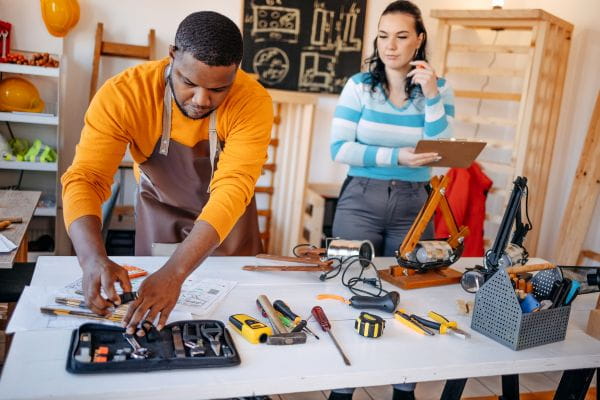
Rethinking homes as centres of economic activity (amongst other things)
By Andy Lake, Flexibility.co.uk on 08 October 2026
The decentralisation of work away from fixed workplaces, the rise of AI and demographic changes are creating new opportunities for people to carry out ‘hands-on’ work in the home, such as production of fashion, textiles, food and drink, and delivery of health services and therapies. However, our existing housing stock is not designed to accommodate such functions, so it’s essential that future town planning creates homes that support different kinds of enterprise, both to support business success and the wellbeing of these new home-based workers.
Learning that saves lives
By Mike Robinson, chief executive, British Safety Council on 11 September 2026
Success can sometimes be a problem. The better we become at preventing incidents, the harder it can be to see what is actually preventing them.

Migraine in work: a test of the Government’s plans to Keep Britain Working
By Rob Music, The Migraine Trust on 07 September 2026
Migraine can have a profound, and often avoidable, impact on people’s working lives and careers. The Government’s growing focus on workplace health offers an important opportunity to change this, but only if this common, often disabling and frequently invisible neurological condition is properly understood and addressed by Government, the NHS and employers.