
Regulations that ‘burden’, regulatory ‘barnacles’ and ‘red tape’. Just some of the words and phrases contained in a letter from Jacob Rees-Mogg that appeared in The Sun newspaper in 2022, calling on its readers to suggest UK regulations to abolish. Together they, with countless other examples, negatively frame how many politicians and commentators, amplified by a supportive media, see regulations – and enforcement – and how they would like the public to see them.
Opinion
Deregulation: time to change the story
By
on 01 May 2022
It’s a frame that has hugely significant consequences: proponents of deregulation use it to justify weakening key protections and deep cuts to the funding of enforcement bodies.
We can see this when we look at Unchecked UK’s Labour Market Enforcement Gap (2021) report: Health and Safety Executive funding over the past 10 years down 60 per cent. Local authority spending on health and safety down 33 per cent, with the number of its inspectors down 57 per cent. At the same time, progress has either stalled or worsened: nearly three-quarters of a million people in the UK suffered non-fatal workplace injuries in 2019/20, and around 1.6 million suffer from work-related ill-health.
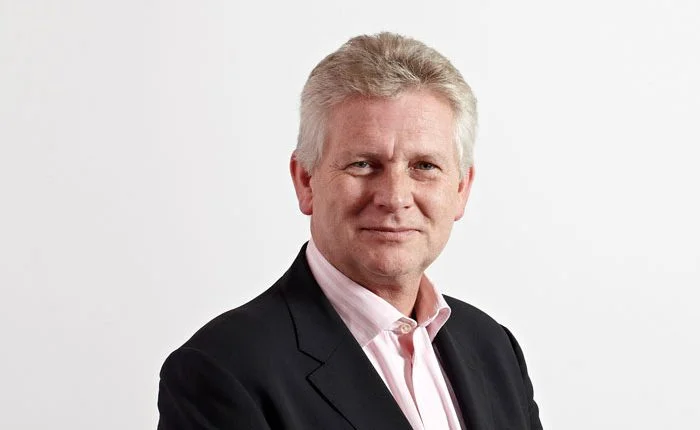
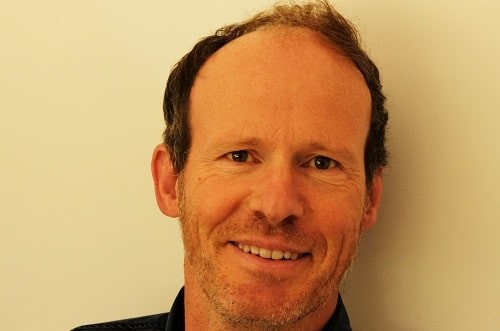 Matthew Holder is head of engagement and content at Unchecked UK. Photograph: Unchecked UK
It’s time to tell a different story. It’s time more people in public life told a positive story about sensible public protections; about rules that protect the lives of the people and the places we love. Of course, it would be easy for those of us who already believe this to tell this story. That is not the challenge. The challenge is to change how a wide range of actors and institutions – including the media – frames our need for such public protections, whether to achieve cleaner air and rivers, safer work or fairer pay.
It is a challenge Unchecked UK was set up in 2019 to address. We believe we can change the story about regulations and the role they play in protecting the things we love. And our secret weapon? The public, across the political divide, is on our side. Public opinion research by Unchecked UK and others shows that public protections enjoy very high levels of support. Far from seeing them as burdens, people understand that rules help guarantee that we are safe and protect what we hold dear. However, public support is often more latent than active. We need to change that.
In response, Unchecked UK is growing a movement of Supporter organisations, mobilising influential people from across civil society. We were delighted that the British Safety Council recently joined our network, along with the countryside charity CPRE and the Women’s Institute. With them and more than 50 others on side we are expanding our influence and reaching audiences who would often be seen as uninterested in questions of regulation and enforcement.
Crucially though, our network must align around a common frame and set of narratives and speak with one voice in order to cut through the noise. With decades of negative framing, it will not be easy.
What does this look like? Evidence from successful campaigns, including on health and safety, tells us frames and narratives must speak to the emotions, values and worldview of the intended audience. When the British Safety Council first campaigned for improved health and safety protections in the 1950s and 60s, it spoke the language of the industrial working class – tough, direct and moral – and told very human stories behind the deaths and injuries at work. Improving occupational health and safety laws was framed as part of the post-WWII ‘society for heroes’ reconstruction effort. Can this post-Covid period offer us a similar opportunity?
Developing this frame and associated narratives is a key and ongoing part of Unchecked UK’s work. It is why we are focusing our public attitude research on key constituencies such as the Red Wall (which is of course a key political battleground, including for the levelling-up agenda), making sure that when we – and our Supporter network – articulate our positive story about the need for public protections, we speak to the worldview and values of our target audiences. Activate their support and who knows, the next decade might be about increased investment and greater protections.
Matthew Holder is head of engagement and content at Unchecked UK. For more information, visit:
OPINION
Building a future worth working in
By Mike Robinson FCA, British Safety Council CEO on 12 October 2026
It’s easy to become myopic about the future of work. Take a quick look at the world today and the signs can seem discouraging: political instability, economic volatility, the accelerating disruption posed by AI and climate change. Together, these factors paint a picture of uncertainty that can make our belief in progress seem naïve and tempt us into believing that the future can be no better than the past, that our best days are now behind us. That would be a profound failure of imagination.
Rethinking homes as centres of economic activity (amongst other things)
By Andy Lake, Flexibility.co.uk on 08 October 2026
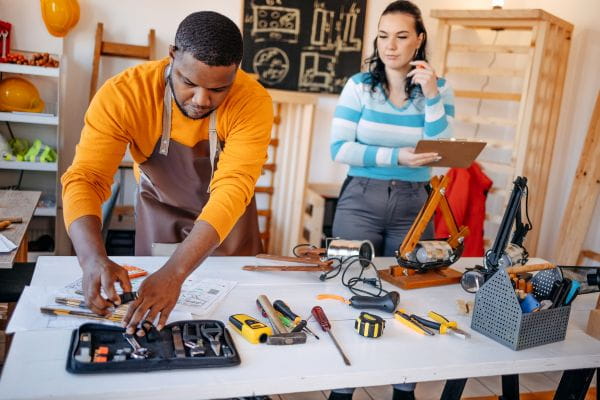
The decentralisation of work away from fixed workplaces, the rise of AI and demographic changes are creating new opportunities for people to carry out ‘hands-on’ work in the home, such as production of fashion, textiles, food and drink, and delivery of health services and therapies. However, our existing housing stock is not designed to accommodate such functions, so it’s essential that future town planning creates homes that support different kinds of enterprise, both to support business success and the wellbeing of these new home-based workers.
Learning that saves lives
By Mike Robinson, chief executive, British Safety Council on 11 September 2026
Success can sometimes be a problem. The better we become at preventing incidents, the harder it can be to see what is actually preventing them.