
We are sitting more than ever before – and our sedentary lives are having a big impact on both our mental health and long-term health.
Opinion
Active working: poor advice threatens progress
By
on 14 December 2021
'The Sitting Problem’ has got even worse during Covid, with millions of us glued to our desks and losing up to 5,000 steps a day of incidental movement while working from home. We have lost steps walking to the train station, going out for a sandwich, walking around the office and walking on the way home.
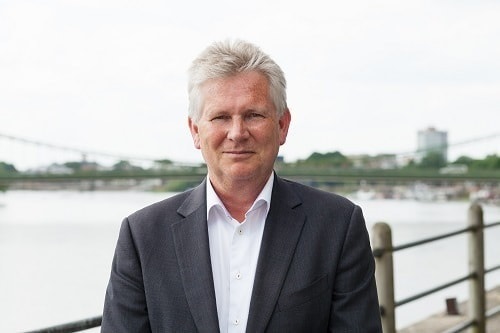
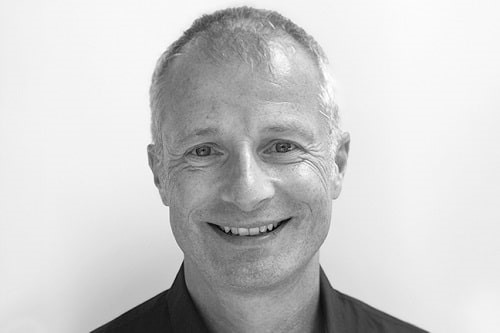 Gavin Bradley: "We need to reduce the number of hours we spend sitting and break up sitting, especially by standing or light activity."
What’s worse is we are bombarded with conflicting advice. The Display Screen Equipment (DSE) Regulations were last updated nearly 30 years ago in 1992. They advise the employer to protect workers from the health risks of working with DSE, such as PCs, laptops, tablets and smartphones. They completely omit any reference to the health risks of prolonged sitting other than advising us to take regular breaks to avoid risks of postural fatigue.
Standing desks are now commonplace in many workplaces as they give office workers the freedom to sit less and move more while conducting different tasks throughout the day. In Denmark, sit-stand desks were made a legal obligation for all office workers in 2012. Yet in the UK, unbelievably, my organisation was recently contacted by a very large, well-known company who say they have been informed by two health and safety advisors that height-adjustable desks are not in fact health and safety compliant, so they recommend that they not be installed for office-based staff.
Have we gone completely mad? Well, according to BBC TV’s Dr Michael Mosley (and many other health experts), we need to reduce the number of hours we spend sitting and break up sitting, especially by standing or light activity. Over the past 10 years, the scientific evidence behind how just standing up, without even doing any exercise, can burn more calories, raise your heart rate and lower blood sugar levels, has grown. Standing is also good for strengthening our bones and increasing our psychological health.
Enlightened mental health guidance advises us to get up and walk around for at least five minutes each working hour. Also, the Get Britain Standing campaign has achieved excellent participation with its annual On Your Feet Day event in April.
This provides tips and guidance to encourage everyone to convert two hours in the day from sitting to standing – see: onyourfeetday.com
The key thing preventing the promotion of stand-up desks is the lack of knowledge and in some cases lack of support from the very people who should be providing guidance. So, what can we do if those who are supposed to be guiding us are in fact preventing us? Well, first we need to be clear on the basics – nobody can deny we all need to sit less and move more to improve our heath. Surely there is no support from any health and safety advisor for us to sit more in the office?
There is very clear advice that sedentary work habits should be reduced, prolonged sitting should be avoided and staff should switch from a seated to a standing position every 30 minutes when possible. This was made clear in the 2015 expert statement jointly commissioned by Active Working CIC and Public Health England and published by the British Journal of Sports Medicine, and is also made clear in oshwiki.
Standing desks, which can be set at the perfect ergonomic height for both seated and standing work, are in fact the perfect solution to convert us from battery hens to free range chickens!
Follow Get Britain Standing at: getbritainstanding.org
Gavin Bradley is Founding director of Active Working CIC and Chief wellness officer at Sit-Stand.Com
OPINION
Learning that saves lives
By Mike Robinson, chief executive, British Safety Council on 11 September 2026
Success can sometimes be a problem. The better we become at preventing incidents, the harder it can be to see what is actually preventing them.

Migraine in work: a test of the Government’s plans to Keep Britain Working
By Rob Music, The Migraine Trust on 07 September 2026
Migraine can have a profound, and often avoidable, impact on people’s working lives and careers. The Government’s growing focus on workplace health offers an important opportunity to change this, but only if this common, often disabling and frequently invisible neurological condition is properly understood and addressed by Government, the NHS and employers.

Noise risk and multi-track enforcement: what EHS managers need to know
By Emma Tattersdill, Bexley Beaumont law firm on 17 August 2026
Noise nuisance from an industrial or commercial site can result in costly and time-consuming legal action from regulators and neighbours, but there are practical ways of ensuring noise levels do not exceed acceptable limits and trigger complaints from nearby businesses and residents.