

Burnout is rapidly becoming one of the nation’s most significant workplace challenges. It is emerging as a defining issue for organisations and wider society, as the UK contends with a long-term sickness crisis driven by poor mental health. Stress can be motivating in short bursts, but when left unmanaged it contributes to work absences and lost productivity, as well as presenting a clear risk to the health of workers.
Opinion
How stress and burnout will shape the workplace in 2026
By
on 09 February 2026
Each year Mental Health UK publishes its Burnout Report, surveying people across the UK to understand stress levels and whether employers are adequately supporting their staff. Our latest report shows that extreme stress has become nearly universal. Nine in ten (91 per cent) adults report experiencing high or extreme pressure in the past year, and one in five (20 per cent) have taken time off due to stress-related mental health challenges.
These findings are reinforced by our conversations with workplaces across the UK. Many leaders feel unsure how to respond to rising levels of mental ill-health, while many staff feel unsupported. Burnout is no longer a marginal issue or a matter of individual resilience; it is increasingly an organisational risk that demands attention.
 Charlotte Maxwell-Davies: "Many young workers feel they must remain constantly visible, working long hours and staying perpetually connected."
What is burnout?
Burnout is a state of physical, emotional and mental exhaustion caused by prolonged exposure to stress, particularly in the workplace. It develops gradually when ongoing demands consistently exceed a person’s capacity to cope or recover. Unlike everyday stress, burnout does not resolve with short-term rest; it erodes motivation, confidence and wellbeing over time.
People experiencing burnout often feel emotionally drained, detached from their work, and less effective in their role. They may struggle to concentrate, withdraw from colleagues, or experience persistent fatigue and physical symptoms such as headaches or disrupted sleep. Because burnout builds slowly, many people normalise these changes until they become severe. Without early intervention, it can lead to long-term absence, disengagement from work and even anxiety and depression.
Burnout can quickly become a vicious cycle. When one team member becomes too unwell to work, others are forced to take on additional responsibilities, raising their own risk of burnout.
The pressures on young workers
Reflecting growing concerns about young workers, the Burnout Report 2026 found that those aged 18–24 were the most likely to have required time off due to poor mental health caused by stress, with two in five (39 per cent) saying they had done so.
Young employees, particularly those at the beginning of their careers, face distinct pressures. Early roles often involve steep learning curves, high expectations, and limited job security. Many feel they must remain constantly visible, working long hours and staying perpetually connected. Emails, instant messaging, and social media blur the boundaries between work and personal life in some professions, making it harder to switch off and properly recover.
 "When employees do not feel safe to speak up, stress goes unaddressed, workloads remain unmanageable, and burnout can develop silently." Photograph: iStock
This is not simply a generational difference in attitude. Many young workers are entering the labour market amid rapid technological change, economic uncertainty, less predictable career paths, and a breakdown in the social contract that rewarded hard work for previous generations. Feelings of insecurity and replaceability shape how they engage with work, as do changing beliefs and values around the purpose of work and the support that employers should provide.
Discomfort in discussing stress
Equally concerning is the proportion of employees who feel uncomfortable discussing stress with their manager. Our latest report found that over one in three (35 per cent) workers said they’re not comfortable letting their line manager or senior leader know they’re experiencing high or extreme levels of pressure and stress at work, an increase of three per cent on the previous year. Meanwhile 39 per cent of workers aged 18–24 feel uncomfortable opening up to a manager about stress levels, a five per cent increase compared with last year.
For younger workers in particular, a reluctance to discuss stress may stem from fear of judgement or negative career consequences. This is despite many telling us they would welcome open conversations about wellbeing and workload, where managers create a safe and supportive environment.
This discomfort is not just a personal issue. When employees do not feel safe to speak up, stress goes unaddressed, workloads remain unmanageable, and burnout can develop silently. Organisations also lose vital insight into how work is experienced, reducing their ability to respond to emerging risks and pressures.
Our conversations with employees and employers show what makes a difference: approachable, attentive managers who feel confident having supportive discussions; clear processes for raising concerns; and cultures that treat mental health as
a shared responsibility rather than an individual test of resilience.
Supporting recovery and return to work
For the first time, our latest Burnout Report examined how companies are supporting people back into work after an absence. Worryingly, over one in four (27 per cent) workers who took time off due to stress received no support upon their return, and only 17 per cent had a formal return-to-work plan put in place. This leaves staff vulnerable to relapse and prolonged absence.
Employees recovering from burnout benefit from three core forms of support. First, they need to be heard. Feeling understood and believed reduces isolation and shame and helps rebuild confidence. Second, organisations must set realistic expectations. Returning to a full workload too quickly can undo progress, whereas phased returns and gradual increases in responsibility allow employees to rebuild capacity safely. Third, clear boundaries are essential. Supporting people to protect their time and energy reduces the risk of relapse and promotes sustainable working.
Practical measures such as flexible working, clear communication, and regular wellbeing check-ins make a substantial difference. When these supports are embedded into everyday practice, employees report feeling valued and more secure and the likelihood of relapse or resignation decreases.
The gap between good intentions and concrete action
Many organisations now talk openly about mental health, but our data reveals a persistent gap between what employers say and what staff experience. Almost one in five (18 per cent) workers report that mental health is treated as a tick-box exercise, while only 27 per cent say mental health is genuinely prioritised and supported through action and resources. Nearly one in three (29 per cent) note that their employer raises awareness about mental health but managers lack the time, training and resources to provide meaningful support.
This disconnect can be deeply demotivating. When wellbeing is discussed but not reflected in day-to-day practice, employees quickly recognise that stated values do not match reality. Over time, this erodes trust, reduces engagement and creates cynicism. Closing the gap requires ensuring managers have the time and ability to support staff, and that wellbeing is embedded in working practices.
Prevention is key
Prevention remains the first line of defence. Organisations that normalise conversations about stress and create psychologically safe environments see the greatest long-term benefit. Burnout rarely stems from individual weakness; it emerges when demands exceed capacity, recovery time is limited and support systems are insufficient.
Supporting young workers early in their careers is particularly important. Structures such as mentorship, regular feedback, and accessible mental health resources reduce the risk of burnout while building confidence, engagement and long-term resilience.
We know managers often feel unsure how to start conversations with line reports or where responsibility lies, but small steps can make a big difference. Mental health training for managers, such as the sessions delivered by Mental Health UK, can ensure that they feel confident and equipped to support the wellbeing of staff.
Looking ahead
At Mental Health UK, we agree with the recent Keep Britain Working review that workforce health must be a shared responsibility between organisations, employees and the NHS. Organisations must manage workplace stressors and prevent burnout, employees should engage with support and practice good wellbeing habits, and together we can create workplaces that are healthier, more sustainable and better prepared for the future.
Burnout may affect every workplace, but the difference lies in how it is acknowledged, addressed, and prevented.
Organisations that take this challenge seriously will protect both their people and their performance.
Burnout Report 2026 is at:
mentalhealth-uk.org/burnout/
Charlotte Maxwell-Davies is Head of Workplace Mental Health and Training at Mental Health UK
OPINION

Building a future worth working in
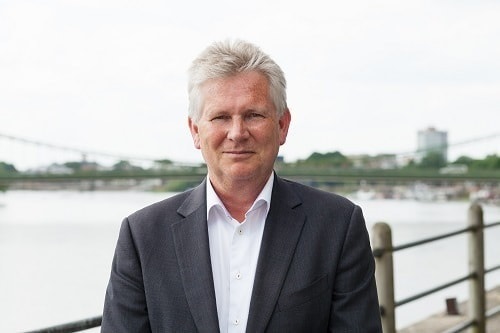
By Mike Robinson FCA, British Safety Council CEO on 12 October 2026
It’s easy to become myopic about the future of work. Take a quick look at the world today and the signs can seem discouraging: political instability, economic volatility, the accelerating disruption posed by AI and climate change. Together, these factors paint a picture of uncertainty that can make our belief in progress seem naïve and tempt us into believing that the future can be no better than the past, that our best days are now behind us. That would be a profound failure of imagination.

Rethinking homes as centres of economic activity (amongst other things)
By Andy Lake, Flexibility.co.uk on 08 October 2026
The decentralisation of work away from fixed workplaces, the rise of AI and demographic changes are creating new opportunities for people to carry out ‘hands-on’ work in the home, such as production of fashion, textiles, food and drink, and delivery of health services and therapies. However, our existing housing stock is not designed to accommodate such functions, so it’s essential that future town planning creates homes that support different kinds of enterprise, both to support business success and the wellbeing of these new home-based workers.
Learning that saves lives
By Mike Robinson, chief executive, British Safety Council on 11 September 2026
Success can sometimes be a problem. The better we become at preventing incidents, the harder it can be to see what is actually preventing them.