

I don’t think it’s any exaggeration to say that 2019 is shaping up to be a very significant year for all of us. At the end of last year, I wrote about how anxiety, linked to changes in our immediate working lives and wider changes in the country, is causing us to take our health and wellbeing far more seriously. To echo other debates, as we move into 2019, nothing has changed.
Opinion
A year on edge
By
on 01 February 2019
I don’t think it’s any exaggeration to say that 2019 is shaping up to be a very significant year for all of us. At the end of last year, I wrote about how anxiety, linked to changes in our immediate working lives and wider changes in the country, is causing us to take our health and wellbeing far more seriously. To echo other debates, as we move into 2019, nothing has changed.
Even so, as a membership organisation with many years of experience in health and safety, we are in a very good position to help other organisations and people navigate these uncertain times. While I think it’s important to be aware of the reasons for all the uncertainty – and the problems it causes – it is equally important not to be overwhelmed and focus on what we know can really help. I’ve said before that the British Safety Council does not believe that change will inevitably make life worse for our health and wellbeing, and remains optimistic that we can influence how we work today to build the future we want.

Good wellbeing can increase productivity by as much as 25 per cent. Photograph: iStock
With that in mind, our recent report Not just free fruit: wellbeing at work frames our 2019 campaign for better staff wellbeing – both mental and physical – and describes in detail what is needed to ensure people are content and can thrive at work. I want to share my thoughts based on its findings and discussions we’ve had with thought-leaders like Professor Dame Carol Black and encourage you to look through the lens of wellbeing to see what actions you can take in your organisation.
Give the huge stresses that managers are under to deliver, people must be persuaded that wellbeing is an important topic. Along with others such as Britain’s Healthiest Workplace, our evidence shows that good staff wellbeing will reduce presenteeism – which as Dame Carol points out is far more costly than absenteeism because it’s more prevalent and damages productivity. It will reduce turnover and a thriving workforce will create a thriving organisation. She also tells us that good wellbeing can increase productivity by as much as 25 per cent.
Evidence also suggests that the answer to the question, what makes people thrive? is to start with change at the top, with leadership that demonstrates care, implemented and made real by specific actions for the good of staff. Of course, this can be difficult. While the ‘top’ can push out the right message, it can weaken as others in the management chain offer a less convincing version of what care looks like.
Two things can counter this: first, the leadership team or board should have someone who has a specific interest in wellbeing, who will run and join in activities and report back about staff health and wellbeing. This way senior leaders must engage with staff wellbeing issues as well as financial performance. Second, line managers need to have people management skills as well as technical competence. One way to achieve this is to include wellbeing objectives in their appraisals – an action that should be taken as long as line managers receive constant training and support from the top. The right approach to wellbeing must be to support and focus on the staff we’ve got.
As well as wellbeing, we are launching a new campaign in
2019 called Time to Breathe, highlighting the risks associated with air pollution for outdoor workers, particularly those working on or near busy roads. Something to add for your diary: on 12 March we will be launching the campaign on the streets of London. Please get in touch to find out more and get involved. We would love
to see you there.
—
Mike Robinson FCA
Chief executive
British Safety Council
OPINION
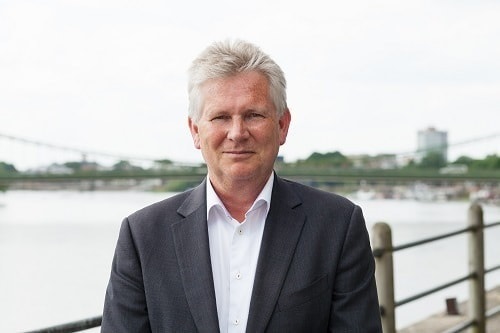
Learning that saves lives
By Mike Robinson, chief executive, British Safety Council on 11 September 2026
Success can sometimes be a problem. The better we become at preventing incidents, the harder it can be to see what is actually preventing them.

Migraine in work: a test of the Government’s plans to Keep Britain Working
By Rob Music, The Migraine Trust on 07 September 2026
Migraine can have a profound, and often avoidable, impact on people’s working lives and careers. The Government’s growing focus on workplace health offers an important opportunity to change this, but only if this common, often disabling and frequently invisible neurological condition is properly understood and addressed by Government, the NHS and employers.

Noise risk and multi-track enforcement: what EHS managers need to know
By Emma Tattersdill, Bexley Beaumont law firm on 17 August 2026
Noise nuisance from an industrial or commercial site can result in costly and time-consuming legal action from regulators and neighbours, but there are practical ways of ensuring noise levels do not exceed acceptable limits and trigger complaints from nearby businesses and residents.