

Waiting for workers to show symptoms of silicosis means acting too late, a leading clinician working at the frontline of the disease has warned.
News
Silicosis flying under the radar thanks to misdiagnosis and poor health screening, doctor warns
By
on 06 July 2026
At a Westminster roundtable convened by workplace safety specialists Arco and opened by Ian Lavery MP, clinicians revealed that the UK is drastically underestimating the deadly lung disease.
While there are only 52 officially confirmed cases in the UK today, underreporting and a lack of routine workplace health surveillance mean the true figure is significantly higher.
“We have a real problem in that silicosis looks like other lung conditions; and so unless people get asked about what they do for a job, their silicosis will get misdiagnosed as other conditions,” said Dr Johanna Feary, an Academic Consultant at Royal Brompton Hospital whose patients include those suffering from silicosis.
“I really think we need a national screening programme which is properly funded, and properly rolled out, to ensure that these workers get the checks that they deserve.
“I think that's the only way that we're going to get people early and save lives.”
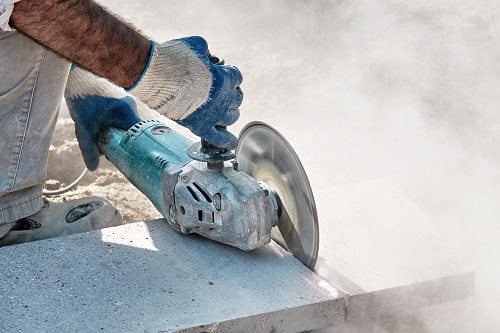 In small workshops workers cut engineered stone with virtually zero health monitoring. Photograph: iStock
Risk is concentrated in small workshops and micro-businesses where workers cut engineered stone with virtually zero health monitoring, the roundtable heard. Sometimes workers go decades without a health check.
In these places, exposure can be “incredibly high” said Feary, and a significant proportion of them “will die from their disease” she explained.
“To date, 9% of the people that I've seen have died, and there are a number being assessed for a lung transplant. Silicosis is asymptomatic in the early stages, so waiting for symptoms to appear before testing people means we’re going to miss cases.”
“These are people who have no access to health surveillance.”
The roundtable discussed how the disease is aggressively targeting younger tradespeople in their 20s and 30s – with the youngest UK death recorded at just 28 years old.
 The Arco team at Westminster: L to R Alex Turgoose, Christian Halford, Gemma Murray and Kevin Williams
A fragmented system means occupational exposure data is rarely integrated into NHS records, leaving GPs in the dark.
To stop this preventable crisis, clinical and parliamentary leaders leveraged the roundtable held on 1 July to call for proactive monitoring as part of an immediate overhaul.
Ian Lavery, MP, argued that silicosis must be a notifiable disease through the Reporting of Injuries, Diseases and Dangerous Occurrences Regulations (RIDDOR) – a move currently under consultation by HSE.
There should also be stronger integration of occupational health within wider healthcare systems, better training, education and early detection.
“I think from what I've heard today, and excuse me for saying this, but these are serious issues. It's all mismatched,” he commented.
“You’ve got all the jigsaw pieces in the box, but nobody put them together. You might have the four corners, but that’s what this is.”
Attendees at the debate included Liz Twist MP, BOHS chief executive Professor Kevin Bampton and Mike Calcutt of the HSE, and members of TUC and Arco.
Insights from the roundtable will inform a follow-up report, with the aim to support improvements to worker protection, regulatory approaches and critically, improved patient outcomes said Arco.
Read Arco's report from the roundtable here
NEWS
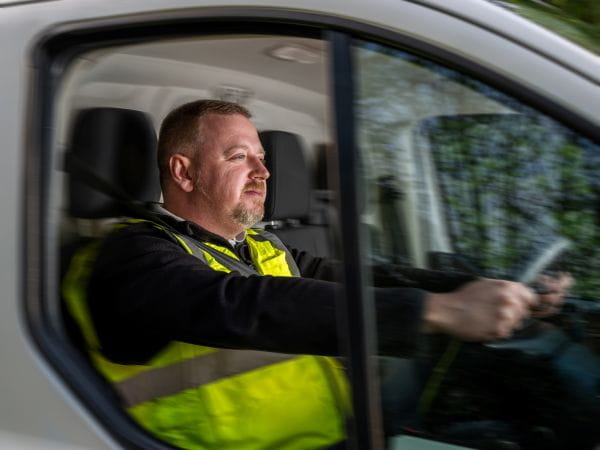
Scheme to recognise commitment to transport staff wellbeing launched by Road Haulage Association
By Orchie Bandyopadhyay on 01 October 2026
A new Wellbeing Recognition Scheme designed to allow organisations across the HGV, coach and van sectors to demonstrate their commitment to improving the health, wellbeing and resilience of the industry’s workforce has been launched by the Road Haulage Association (RHA).

Cost-of-living pressure is cutting into UK workers’ productivity, says report
By Orchie Bandyopadhyay on 04 October 2026
The cost of living is the single largest financial stressor for 62% of UK workers, far outweighing concerns about retirement savings (12%) and building emergency funds (8%), a new study has revealed. Sixty-two per cent of workers admit they do not fully understand the workplace retirement plan they pay into each month, according to TELUS Health’s Q2 2026 TELUS Mental Health Index.

Employers must meet staff to discuss flexible working requests, says first secretary of state
By Orchie Bandyopadhyay on 01 October 2026
Bosses must meet with employees who request flexible working and explain their reasons for any refusals, said Louise Haigh, first secretary of state, in a speech to the Trades Union Congress (TUC) in Brighton on 15 September.