

Lithium-ion batteries are arriving in warehouses in growing numbers – in tools, laptops, e-bikes, and consumer returns – but they can pose a significant fire risk if handled or stored incorrectly. To help warehouse operators manage the risk, the UK Warehousing Association has published new guidance setting out practical controls on safe storage, segregation, emergency planning and staff training.
Features
Reducing lithium-ion battery fire risk in warehouses: new guidance points the way
By
on 13 November 2026
Over the last year, the UK Warehousing Association (UKWA) has received a growing number of enquiries from members about lithium-ion batteries, namely how operators are supposed to store them safely. With warehouse-specific guidance limited, UKWA decided to develop and publish Safe Storage of Small Lithium-ion Batteries: Guidance for Operators to help companies understand and manage these risks. Working with the UK Material Handling Association (UKMHA), two guidance documents were published in September to help operators address these issues.
Why do operators need guidance? Lithium-ion batteries are increasingly moving through warehouses, both as stock and in materials-handling equipment. This trend has been driven by the increasing number of battery-powered consumer products passing through warehouses, including a steady stream of returns. It has also been accelerated by the electrification of material-handling fleets; lithium-ion batteries are expected to account for a growing share of new electric forklift batteries. Opportunity charging, where batteries are topped up during breaks or periods of downtime rather than being charged only at the end of a shift, is also becoming increasingly common.
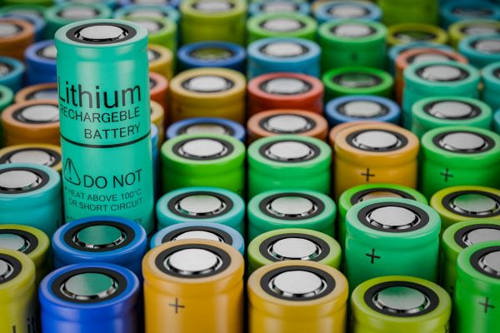
Thermal runaway
One of the principal hazards associated with lithium-ion batteries is thermal runaway: rapid overheating that can lead to fire, the release of flammable and toxic gases, and the possibility of reignition hours later. Damaged batteries, and batteries returned without a known usage history, may present an elevated risk.
Global insurer QBE’s analysis of Fire and Rescue Service data identified 1,760 fires linked to lithium-ion batteries in 2025, a 147% increase over the previous three years. Most publicly reported incidents continue to involve e-bikes, e-scooters, consumer devices or batteries entering the waste stream rather than warehouse stock. However, the issue for warehouse operators is not simply how often incidents occur, but the potential consequences when they do. Re-ignition, toxic gases, business interruption and the time and cost of clean-up can all significantly increase the impact of an incident. Operators should not assume that existing arrangements are necessarily sufficient to manage these risks.
Limited information and guidance had been available for storing these batteries in warehouse environments, and there was a clear gap for warehousing-specific advice. Warehouses may receive batteries in a wide range of conditions and quantities, often from multiple manufacturers and with limited visibility of their previous use or condition, creating challenges that differ from those faced by consumers, retailers or manufacturers.
Legal requirements
There are regulations warehouse operators should be aware of. Under the Regulatory Reform (Fire Safety) Order 2005, the responsible person must carry out a suitable and sufficient fire risk assessment and manage the risks identified. The Health and Safety at Work etc. Act 1974 requires risks to be controlled so far as is reasonably practicable.
The situation is slightly different for businesses operating in Northern Ireland, where the EU Batteries Regulation applies. The Regulation introduces a range of requirements relating to battery sustainability, traceability and lifecycle management, including digital battery passport requirements for certain battery categories from 2027. These measures reflect a wider policy focus on batteries but do not remove the need for operators to manage the immediate risks associated with storage and handling.
This combination of rising volumes, limited warehouse-specific guidance, and developing product-safety measures is why UKWA and UKMHA developed the two guidance documents. The aim was to give operators a clear picture of the risks and practical advice to help make their operations safer, drawing on established standards and recognised good practice. The guidance is intended to support informed decision-making and proportionate risk management rather than prescribe a single approach for every operation.
The UKWA guidance focuses on the smaller batteries commonly found in power tools, laptops, and other consumer electronics. The UKMHA guidance covers the larger traction batteries used in materials-handling equipment.

The UKWA guidance sets out a number of practical controls that operators can apply:
- Batteries and their packaging should be inspected on receipt for signs of swelling, unusual heat, physical damage, leaks or chemical odour. Where practicable, batteries should be segregated by chemistry, condition and state of charge, and kept separate from finished goods and other combustibles.
- Returned batteries should be treated as higher risk, with dedicated inspection, segregation from new stock, and quarantine before they are returned to inventory or sent for disposal.
- Damaged or suspect batteries should be quarantined immediately in a dedicated, controlled area and should not be recharged, tested or moved internally unless specific procedures are in place.
- Charging should not normally take place in general storage areas unless the arrangement has been specifically assessed and controlled.
- Waste batteries should be stored segregated from other stock, contained to prevent leaks or firewater pollution, and collected only by an authorised waste carrier.
Fire procedures
The primary response to a suspected lithium-ion battery fire should be evacuation and calling the Fire and Rescue Service. Sites should carefully assess whether any intervention by employees is appropriate and ensure that emergency procedures reflect the specific risks associated with lithium-ion batteries.
Lithium-ion battery fires can reignite after the initial event appears to be under control, so continued monitoring may be required in line with Fire and Rescue Service advice and the site’s emergency procedures. Controls should be proportionate to the quantity, type and configuration of batteries being stored; a few boxes of tool batteries present a different risk from a returns cage of e-bike packs.
Operators should engage with their insurers early before storing or increasing volumes of lithium-ion batteries, as they may have specific requirements relating to storage arrangements,
fire protection measures, separation distances and emergency response procedures. Early engagement can help operators understand any expectations that may influence site design, operating procedures or insurance cover.
Both the UKWA guidance document and the complementary UKMHA guidance on traction batteries are free to download. Both are intended to support, but not replace, manufacturer instructions, the site-specific fire risk assessment, and any requirements set by insurers. If manufacturer instructions differ from anything outlined in either document, the manufacturer’s instructions should always take precedence.
Lithium-ion batteries are now a routine part of many warehouse operations, whether as stock, returns or operational equipment. The associated risks are manageable, but they require informed decision-making and proportionate controls. Operators should review their current arrangements against the guidance and consider whether any changes are needed to ensure that risks are properly understood and managed.
Both guidance documents are available here.
For more information on the work of the UKWA, go to:
ukwa.org.uk
linkedin.com/company/united-kingdom-warehousing-association/
E. [email protected]
T. +44 (0)20 7636 8856
Ed Dolley is public affairs manager at the UK Warehousing Association (UKWA).

FEATURES
Reducing lithium-ion battery fire risk in warehouses: new guidance points the way
By Ed Dolley, UK Warehousing Association (UKWA) on 13 November 2026
Lithium-ion batteries are arriving in warehouses in growing numbers – in tools, laptops, e-bikes, and consumer returns – but they can pose a significant fire risk if handled or stored incorrectly. To help warehouse operators manage the risk, the UK Warehousing Association has published new guidance setting out practical controls on safe storage, segregation, emergency planning and staff training.

The manager’s role in workplace transport safety during the Christmas rush
By Andy Cartwright, Mentor FLT Training on 13 November 2026
For most warehousing, distribution and retail businesses, the Christmas period sees increased use of material handling equipment, as goods handling surges to match customer demand. However, it’s vital that managers retain strict oversight of the safe operation of this type of mobile equipment to protect staff, customers and visiting delivery drivers from serious injury.

How fleets can reduce the risks posed by the Fatal Five
By Leo Taylor, Drivetech on 13 November 2026
The Fatal Five is a term used by police forces for the five factors that contribute most to deaths and serious injuries on UK roads. These behaviours pose a risk to all road users, including those who drive for work, so fleet managers must understand these key dangers and take steps to protect their drivers and vehicles.