
Taking action to support employee mental health can bring benefits both for workers and the employer. But it can also save lives.
Features
From awareness to action – how to build a culture of prevention for mental health at work
By
on 01 June 2026
It is a pretty safe assumption that readers of Safety Management magazine have a good awareness of, and interest in, health and safety in the workplace. But does it follow that every reader treats workplace mental health with the same care and respect as physical health?
Some, but not all, are aware that:
- Organisations have a legal duty of care: “Preventing work-related stress isn’t just good for people – it’s the law,” states the Health and Safety Executive (HSE).
- HSE says its regulatory inspections of workplaces in 2025/26 will include a focus on enforcing practical controls to prevent workers’ exposure to issues causing stress, indicating that Britain’s occupational safety regulator is increasing its monitoring of workplace stress management.
- Organisations have a moral duty to look after the mental wellbeing of their team as it can protect lives, since mental ill health is the primary cause of suicide (although it is rarely the only or inevitable cause).
- There is a strong business case for building positive mental health in the workplace – it increases productivity, reduces absenteeism, presenteeism and staff turnover (and therefore recruitment and onboarding costs), and can help organisations to avoid potential prosecution and a fine.
- There are numerous annual awareness campaigns (Stress Awareness Month, Mental Health Awareness Week, World Suicide Prevention Day, World Mental Health Day, to name just four).
And yet despite all of that, the message that work can and should be good for workers’ mental health – as well as good for the business’s bottom line – is still not landing.
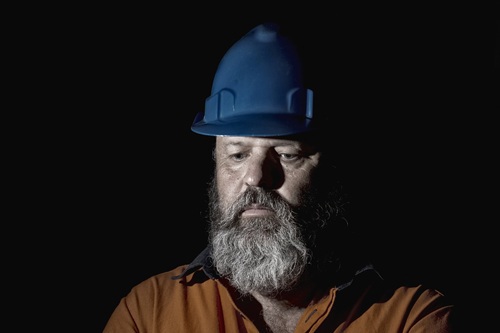 35% of workers said they are not comfortable letting their line manager or senior leader know they are experiencing high or extreme levels of pressure and stress at work. Photograph: iStock
For instance, a survey carried out by Mates in Mind among a sample of employers in the UK demonstrates that too many organisations are simply not prioritising measures to assess and address work-related stress. The findings included:
- Almost 70% of respondents said their line managers do not know how to undertake stress risk assessments or understand when they may be necessary
- More than 46% of employers do not have a mental health policy in place
- 61% of employers said they have not provided all employees with general mental health awareness training in the last two years
- However, almost 78% of employers said they do record whether the reason for absence is related to stress or common mental health conditions.
The fact that many organisations are not doing enough to identify and mitigate mental ill health (including stress) in the workplace is also borne out by other statistics and research. In particular:
- HSE found that, in 2024/25, stress, depression or anxiety accounted for 52% of all work-related ill health and 62% of all working days lost due to work-related ill health; while 22.1 million working days were lost due to work-related stress, depression or anxiety in the same 12-month period
- The Office for National Statistics found there were 6,190 deaths by suicide registered in England and Wales in 2024
- Research has found that for every death by suicide at least 135 people are impacted by it – including family, friends, colleagues, first responders, community members and more
- Mental Health UK’s Burnout Report 2026, which surveyed more than 4,500 adults in the UK – including seeking workers’ views about disclosing symptoms of work-related stress and cases of mental ill health to their employer – found that:
- 27% of workers who took time off due to stress received no support upon their return, and only 17% had a formal return-to-work plan put in place
- 35% of workers said they are not comfortable letting their line manager or senior leader know they are experiencing high or extreme levels of pressure and stress at work
- 39% of workers aged 18–24 feel uncomfortable opening up to a manager about stress levels - A survey of 2,000 working adults across the UK by Mental Health First Aid England found 15% of employees admitted that stress and fear had resulted in them making preventable mistakes at work
- Government-commissioned research shows that, on average, preventing a single job loss by investing in measures to support employee health can save employers £8,000 in recruitment costs and business output
- Employers that proactively invest in mental health support for their workforce can make significant gains, with an average £4.70 return for every £1 spent on wellbeing support, according to research published by Deloitte in 2024.
It is important to state that stress, whether it be related to work or factors outside work, does not always lead to suicide. But it can. And it does.
 Employers that proactively invest in mental health support for their workforce can make significant gains. Photograph: iStock
An Office for National Statistics report states that “attempting to explain suicide is complex as it is likely that a number of factors act together to increase risk, including some job-related features. We believe employers can play a critical role in helping to prevent suicides.”
BS 30480 Suicide and the Workplace Standard
“This British Standard summarises measures that organisations can take for suicide prevention, intervention and support for those affected by suicide,” states the British Standards Institution (BSI) in BS 30480, the UK’s first British standard dedicated to addressing the risk of suicide and its impact in the workplace.
“It provides guidance on creating and sustaining safe, supportive work environments where people can thrive and survive in life and through crises. Avoiding the human tragedy of suicide through suicide prevention strategies, systems, policies and practical actions is always preferable to responding, unprepared, to a person in crisis or to a death by suicide.”
To develop the standard, BSI brought together a large group of stakeholders across society, including workplace mental health experts from the Department for Health and Social Care, social enterprises, businesses and charities.
As Mates in Mind advocates building a culture of prevention at work before employees reach a crisis point with their mental wellbeing – and given our interest and expertise in suicide prevention in higher-risk industry sectors – we were closely involved in the development of BS 30480.
As part of our work to support organisations in the creation of workplace cultures that emphasise the prevention of mental ill health, Mates in Mind provides a suicide prevention guide to help employers understand how they can take meaningful and long-lasting action to improve the mental health of their teams.
However, we know that deaths by suicide may still occur. Therefore, in order to support organisations through what is an extremely challenging time for the entire workforce, we have created a new post-suicide response guide and infographic.
These resources are aligned with the guidelines set out in the BSI standard, and were produced because of our work in supporting BSI to develop the standard.
The post-suicide response guide is designed to assist employers, including HR teams and managers, to support individuals following the loss of a colleague to suicide. Although no two instances of loss are the same, the guide aims to provide recommendations for responding to suicide which are flexible, person-centred and empathetic.
If employers develop effective plans for post-suicide support, they can create workplace environments where everyone feels supported at all times, should a suicide sadly occur.
The suicide prevention and post-suicide response guides can be downloaded here.
How to build a culture of prevention
To help organisations implement the new standard, BSI has created a First Steps Guide, which distils the standard into five clear, actionable steps (read more about this in Caroline Roodhouse’s article on p30-32, ‘Taking the first steps towards confronting suicide in the workplace’).
This article, from Mates in Mind, seeks to provide more detail on the practical steps employers can take to implement the BSI First Steps Guide.
At Mates in Mind, we empower organisations to build positive mental health in and through work by providing employers with the skills, clarity and confidence to raise awareness and improve understanding of mental health among the workforce, implement effective interventions to support mental wellbeing and prevent employees reaching a mental health crisis point, and end the stigma that surrounds mental health.
To establish a culture of prevention on mental health, an organisation must implement integrated strategies, tools and support across the workforce that are specifically designed to help optimise employee mental wellbeing.
This includes taking steps to improve workforce awareness and understanding of the causes of mental ill health and the factors that can contribute to an increased risk of suicide (such as some mental health conditions, financial concerns, and various work-related and personal stresses).
The organisation should also ensure workers understand the avenues available to seek help for mental ill health – both through work and via external agencies – and how to raise concerns with managers and supervisors if they are worried about a colleague’s mental wellbeing.
By creating an open and inclusive culture, employers can empower the workforce to have difficult but important conversations about mental health and suicide.
If employers ensure workers understand how and where they can get support with their mental wellbeing – and steps are taken to create a workplace environment where employees feel confident to disclose issues to management and colleagues without fear of being judged negatively by others – people are more likely to seek support if they require it.
To tackle the complex challenges of mental ill health and suicide prevention, employers should therefore seek to create a workplace culture where everyone feels comfortable having conversations about mental health and wellbeing.
To achieve this, employers must take proactive steps to educate everyone about the importance of disclosing mental ill health and knowing where to seek support – for example, by ensuring managers ask staff about any mental health or stress concerns during one-to-one and team meetings.
Ultimately, employers should seek to create a psychologically safe working environment where all workers (whether directly employed or contracted) feel comfortable raising concerns about problems, including their own poor mental wellbeing.
Building positive mental wellbeing at work
Further advice on how to build positive mental health in and through work can be found in an article on our website, but in summary, a plan should include:
- Managers: management buy-in is essential for ensuring the organisation is genuinely committed to addressing mental health at work and that strategies for supporting mental wellbeing are integrated into all aspects of the business and its day-to-day processes.
- Assessment: an assessment should be made of the effectiveness of the existing mental health support in place, to identify any gaps in provision and decide on any necessary improvements.
- Targets: the vision for supporting mental health should be defined and a plan should be drawn up for how to achieve it.
- Education: the entire workforce must receive training and information so they have the skills, knowledge, tools and confidence to provide initial and immediate support to colleagues who may be experiencing mental ill health, know how to refer the person for further help, and know how to check if the individual is willing for the concerns to be reported to management so they can immediately provide appropriate support.
- Support: employees, contractors and people working in the organisation’s supply chain must know how to access the mental health support if they require it – for example, via the company’s own HR team, an occupational health service contracted by the business to provide confidential mental health support, or external channels, such as NHS services and charities offering free, confidential support.
- Communicate: the workforce must be given relevant, timely and accessible communication materials about the causes of poor mental health, factors that can contribute to suicide risk, actions individuals can take to improve their mental wellbeing, and internal and external support channels.
- Progress: the effectiveness of the organisation’s mental health strategy should be regularly reviewed – for instance, at least every two years.
- Mentoring: peer support networks must be created across the organisation, supply chain and/or contractors.
- Diversity, equity and inclusion: it is vital a diverse workforce understands that their needs are known, understood, respected, valued and integrated by the employer, managers and colleagues – for example, people with disabilities receive adequate support, and steps are taken to ensure discrimination or discriminatory behaviour does not occur at work.
- Policies: a workplace mental health policy must be drawn up, and it must be regularly reviewed and updated as circumstances change. In addition, when seeking to support mental health at work, employers should consider:
- Values: all employees should receive training so they understand and adopt the beliefs, values and actions that will help support everyone’s mental health. This means, for instance, everyone understanding the importance of challenging and (if necessary), reporting inappropriate behaviour that can affect mental health, such as bullying, reinforcing stereotypes, ignoring concerns about a colleague’s mental health, or failing to respond to requests for help from a colleague experiencing poor mental health.
- Environment: limiting access to means of suicide at work. This involves carrying out a comprehensive suicide risk assessment for the workplace and workforce, and putting physical suicide prevention controls in place – such as restricting access to harmful chemicals.
Building on this list, some practical tips for employers on how to embed a culture of prevention around mental health into daily activities at work include:
- Ensure the entire workforce knows how to spot the signs of mental ill health in themselves and others, including symptoms of stress, anxiety and depression.
- Ensure all workers have the knowledge, skills and confidence to effectively start and hold conversations about mental health with colleagues. If an employee suspects that a colleague is experiencing thoughts of suicide, they must understand the importance of acting immediately, by asking: “Are you experiencing thoughts of suicide?” They should understand the need to ask this more than once, and know how to immediately signpost the person to emergency support if necessary.
- Understand when and how to conduct stress risk assessments.
- Provide managers with the skills and authority to make reasonable work adjustments to support an employee’s mental wellbeing, such as reduced working hours.
- Know when and where to signpost employees for further support (if required).
We have a series of short videos covering these five key steps, and our blogs providing advice on mental health support include ‘identifying and mitigating the risk of stress in your workplace’ and ‘suicide prevention and post-suicide response in the workplace’.
Of course, mental ill health does not necessarily cause suicide, and there are often complex reasons behind deaths by suicide. However, mental illness can play a part, and research shows that many people who die by suicide have a mental illness.
Ongoing work
Mates in Mind continues to sit on the Communications and Engagement Group for the BSI Suicide Standard. This has also led to us co-creating a group with BSI and others (including the Chartered Institute of Building) to create a specific guide on suicide prevention for the construction sector.
This guide will provide practical guidance on suicide prevention for construction SMEs and micro businesses that may not have the time or resources to fully adopt the requirements of the full standard.
We are also part of the National Suicide Prevention Network of The Royal Foundation of the Prince and Princess of Wales. As one of the Network’s Innovation Partners, we are developing and piloting a digital-first approach to mental health training for construction SMEs and sole traders who might otherwise find it difficult to access such resources.
It was also recently announced that Mates in Mind has won the ‘Leaders in Suicide Prevention for High-Risk Sectors 2026 – UK’ award from Global Health & Pharma’s GHP Mental Health Awards 2026.
Resources
- Discover how we work with organisations to build positive mental health in and through work
- Download free mental health resources and watch our video series
- Access our mental health and wellbeing training
- Read our blogs on workplace culture, stress management, suicide prevention, removing the stigma and much more.
For more information see:
matesinmind.org
linkedin.com/company/mates-in-mind
@MatesInMind
facebook.com/MatesinMind
Sam Downie is managing director at Mates in Mind
Jones Bros Civil Engineering Ltd case study
At Jones Bros, we are committed to breaking the stigma around mental health in construction. Over the last year, we’ve significantly strengthened our support system for mental wellbeing by enhancing our Mental Health First Aider (MHFA) programme and introducing suicide awareness training across our sites.
With over 50 active MHFAs now supported by an enhanced information and escalation pack, we’re enabling colleagues to identify early signs of distress, offer compassionate support, and escalate concerns appropriately. Our HR department is now spearheading a campaign to deliver suicide awareness training, complementing Mates in Mind’s initiatives, and creating a culture of understanding and prevention.
On-site, we’ve further embedded Mates in Mind and mental health awareness by introducing ‘Breakfast for All’ sessions and group discussions, where teams gather informally to talk openly about wellbeing. These initiatives are captured and recognised through our Incident Prevention Cards (IPCs), which highlight good practice in raising awareness and encouraging participation.
This proactive, structured approach has already improved access to mental health resources, normalised conversations, and provided a clear pathway for support – showing that in our workplace, no one must face mental health challenges alone.

FEATURES
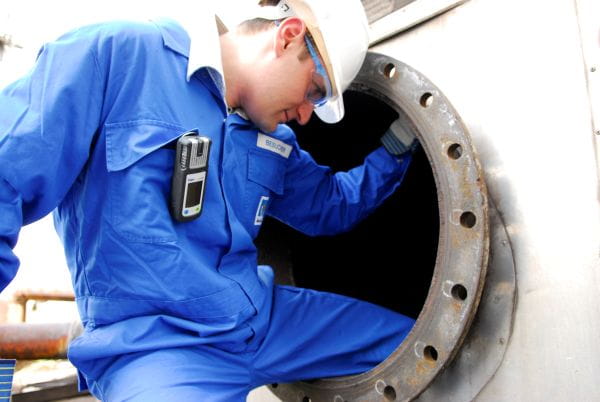
Confined spaces: why training is key to keeping workers safe
By Adam Barker, Draeger Safety UK on 22 September 2026
Suitable training plays an essential role in preventing fatalities and dangerous situations during work in confined, hazardous spaces like tanks, silos and sewers, but it’s essential that any course selected genuinely reflects the specific tasks, hazards and risks workers will be faced with.
Why the future of low-level access starts with rethinking old habits
By Samuel Butterworth, JLG Power Towers on 22 September 2026
Low-level access equipment like powered lifts can help make work at height safer by providing a secure, enclosed working platform, but they can also bring other benefits, such as avoiding the need for awkward stretching to reach work areas, which helps to prevent musculoskeletal injuries.
Why paperwork alone isn’t sufficient MEWP rescue preparation
By Ben Hughes, Horizon Platforms on 22 September 2026
A recent safety awareness day has highlighted the importance of contractors regularly practising emergency rescue from mobile elevating work platforms, rather than relying on one-off training sessions and paper procedures that are not always easy to follow during a fast-moving incident.