
A free-to-access database of underground pipes and cables in the UK is helping contractors to avoid dangerous and disruptive accidental asset strikes during digging works – and looks set for further expansion as more utility owners sign up.
Features
Utility asset strikes: why greater sharing of information makes a ‘virtuous circle’ for safer digging
By
on 19 May 2025
When working on-site, safety is always paramount. There are plenty of rules and regulations designed to protect the physical health and safety of workers on-site; however, one critical aspect is often left unaccounted for. That is, the importance of safe digging.
As the UK prepares to ramp up infrastructure activity – including the telecoms sector competing to reach rural, off-grid communities, and the construction sector taking on more housebuilding projects under the new Government’s initiatives – more digging close to potentially dangerous utility assets, such as electricity, gas, fuel and telecoms pipes and cables, will be taking place.
Breaking ground comes with hidden hazards that can not only negatively impact projects, but more importantly lives. With more activity taking place, there is a higher chance of a worker hitting an underground pipe or cable. So, there comes a greater need to ensure the work is undertaken in a safe manner.
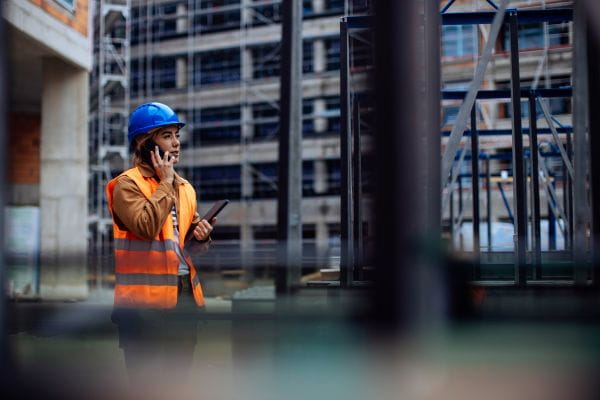
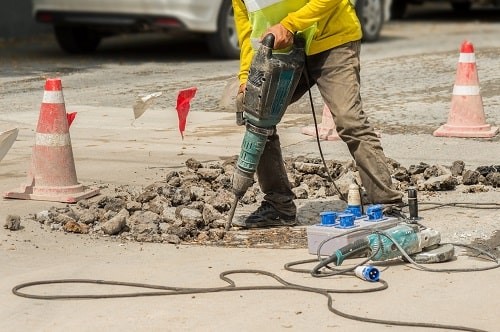 Breaking ground comes with hidden hazards that can not only negatively impact projects, but more importantly lives. Photograph: iStock
Safe digging works best when you have companies and workers being honest, transparent and following best practice. That means having as many asset owners as possible sharing their unique network information, and all workers planning and undertaking digging projects performing a search for underground pipes and cables in advance of starting work. This, in effect, acts like a safe digging ‘virtuous circle’, that gets stronger with collaboration, participation and data sharing.
The virtuous circle
The concept of a safe digging virtuous circle is simple: the more asset owners that share their data with us, LSBUD (LinesearchbeforeUdig) – a database of over two million kilometres of UK infrastructure like cables and pipes, freely accessible to anyone working nearby – the more comprehensive our system becomes. This allows us to generate an increasingly clear picture of what underground infrastructure lies across the length and breadth of the country.
So, when a construction company or contractor places a search on LSBUD’s portal, we are able to offer instant, vital asset information that protects both the networks and the people doing the digging – while maintaining the security of said asset information.
Indeed, it means excavation work can take place more safely and effectively, reduces the likelihood of accidental third-party strikes, causes fewer interruptions, lowers repair costs, and – most importantly – reduces the risk of injuries and fatalities.
In addition, since LSBUD protects a huge network of pipes and cables across the UK, those asset owners not currently registered on the portal can see the safety benefits registration brings to their competitors and peers – as well as the impact this has on the bottom line by avoiding asset strikes and ensuring more efficient release of asset locations to contractors.
In turn, this should encourage more asset owners to register details of their pipes and cables on the portal, making it easier to share their asset information with those preparing to work nearby. From here the process starts again, creating a virtuous circle of safety best practice.
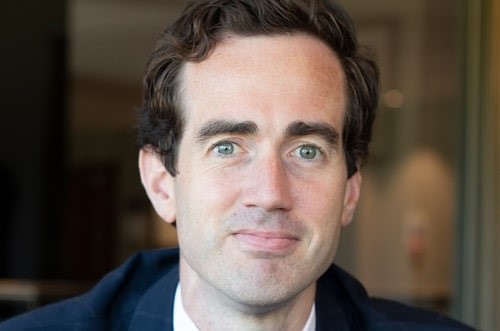 Richard Broome: "The virtuous circle of safe digging is a testament to what can be achieved through collaboration and shared responsibility."
The direct impact on-site
On-site access to a central portal that is composed of reliable data direct from the asset owners translates into fewer unexpected, third-party incidents. Immediate hazards, such as electric shocks, gas leaks, or water flooding and service disruptions, are avoided. And, the cascading effect of accidental strikes is prevented, including project delays, additional costs and reputational damage.
The virtuous circle also fosters a proactive safety culture where workers trust the information they’re provided, are more likely to follow best safe digging practices, and integrate planning and preparation, and sometimes escalation procedures, into their jobs.
Pipeline strikes can even have an impact on future infrastructure projects, as they are often dependent on the previous one finishing on time. If there is a delay due to pipes or cables having been struck during excavation, someone else might pick up that contract, having a wider implication for the affected business.
There are also financial consequences for companies to think about when an asset is struck. The pipes and cables will obviously need to be repaired, but beyond this there are indirect costs, such as traffic disruption and loss of custom to local businesses which must be considered when calculating the final bill.
In conclusion
When breaking ground, safety must remain a top priority. Any form of works around underground assets needs care and attention, and reliable information.
The virtuous circle of safe digging is a testament to what can be achieved through collaboration and shared responsibility. This is not only good health and safety practice –eliminating unnecessary risk on-site and keeping workers safe – but it also protects our valuable underground infrastructure that we rely on, and keeps projects on track.
So, it is in a contractor’s best interest to not only search for pipelines before carrying out any project, but also be vocal in encouraging asset owners to share their data.
For more information, see: lsbud.co.uk
linkedin.com/company/linesearchbeforeudig/
@LSBUD
T. +44 (0)345 437 7365
Richard Broome is managing director at LSBUD (LinesearchbeforeUdig)

FEATURES

Who is the wolf in your life? Listening to the people behind the hard hat
By Inna Cebotari, Kinth Square on 02 October 2026
A new play explores the lives of migrant construction workers in the UK, using humour, real-life experiences and physical theatre to capture the banter, friendships and absurd moments that make life on site bearable, alongside the pressures that often go unseen. Ahead of the play’s premiere in London on 12-14 November, playwright Inna Cebotari explains how Three Little Pigs aims to add to the public debate about how best to support the wellbeing of construction workers.
Eliminating barriers in reporting: how conversational AI can unlock safety engagement
By Julian Taylor, ecoPortal on 04 October 2026
Online reporting systems that require lengthy and cumbersome form filling and typing can discourage workers from reporting safety incidents and concerns. However, AI-powered mobile apps that allow reporting simply by speaking can simplify and speed up the process, boosting reporting rates and overall staff engagement with safety systems and culture.

Why UK employers need to rethink recruitment, retention and support for older workers
By Orchie Bandyopadhyay on 04 October 2026
With workers over the age of 50 now comprising almost one third of the entire UK workforce, recruiting and retaining older workers is now core to the success of the economy. However, not all employers are offering what’s needed to retain and recruit older workers, and ageist attitudes, limited flexible working opportunities, and employment support that doesn’t fit with health, caring, or other responsibilities are leaving too many people locked out of the labour market.