

Protesters gathered outside Oxford Street fashion shops in a ‘Cost of Fashion’ walking demonstration on Sunday 23 April.
News
Group calls for end to ‘death trap’ workplaces in garment trade
By
on 25 April 2023
They were marking the 10th anniversary of the Rana Plaza factory collapse in Bangladesh in which 1,132 garment workers were killed.
Labour Behind the Label, a UK charity which campaigns to improve working conditions in global supply chains, said that “death-trap” workplaces were still an issue today: “Clothing brands pocket huge profits,” said Maya Thomas-Davis from Labour Behind the Label.
“Brands must clean up their act, stop driving a global race-to-the-bottom in working conditions, and sign the International Accord to guarantee factory safety through independent oversight and trade union power.”
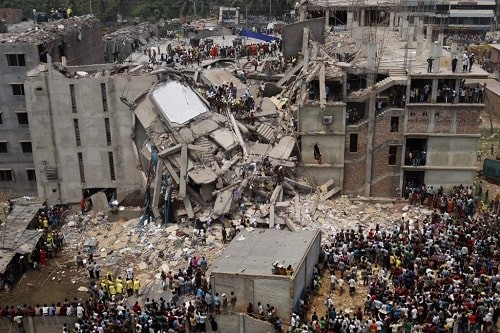 The collapse of the Rana Plaza building in Dhaka, Bangladesh, was one of the worst industrial accidents on record. Photograph: Flickr / rijans
More than 220 brands and retailers including ASOS, Marks & Spencer and John Lewis have signed up to the International Accord, a legally binding programme. Signatories have made improvements in clothing factories in Bangladesh, including installing fire doors and fire alarms, as well as clamping down on excessive working hours and gender-based violence.
Meanwhile, 27 UK MPs called for a debate on ‘ongoing poor labour conditions’ in the garment industry.
The Early Day Motion (EDM), sponsored by Labour MP Apsana Begum, spoke of a “high incidence of work-related accidents and deaths, faced by workers in the garment sector worldwide.”
“Since the Covid-19 pandemic there is evidence of worsening health and safety standards, increased gender discrimination and reports of concerning levels of workplace gender-based violence and harassment,” said the EDM.
The Rana Plaza building collapse was one of the worst industrial accidents on record. It killed at least 1,132 workers, who were mostly women, and injured more than 2,500. The tragedy has become a symbol of the fashion industry’s impact and need for reform.
Sign the accord: internationalaccord.org
NEWS
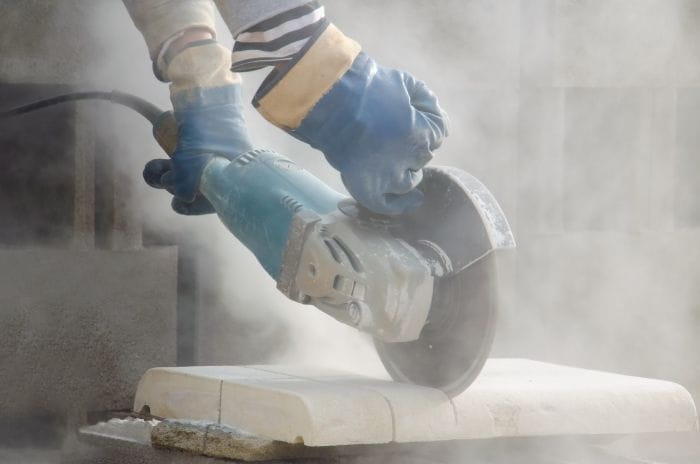
British Safety Council calls on UK Government to ban silica-containing materials
By British Safety Council on 20 August 2026
British Safety Council has called on the UK Government to ban the import and export of high silica-containing products within the next five years to protect workers from the risks associated with high-concentration silica-containing materials.
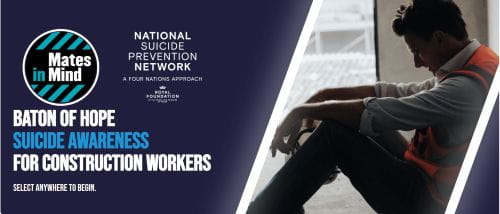
Mates in Mind launches free suicide prevention training for construction workers
By Thomas Tevlin on 13 August 2026
Mental health at work charity Mates in Mind has launched new digital training aimed at increasing awareness and reducing suicide amongst sole traders and self-employed construction workers to support World Suicide Prevention Day on 10 September.
Hidden Hazards. Recognise Risks. Protect Lives
By British Safety Council on 30 July 2026
British Safety Council launches new flagship campaign to shine a light on hidden hazards in the workplace.