

Ten years ago, the United Nations’ General Assembly decreed that 20 March would be ‘International Day of Happiness’. You may have seen that Finland came out top as the happiest country in the world, for the sixth year running, in the World Happiness Report, based on the Gallup World Poll. Sadly, the UK dropped two places in the rankings to 19th, while the US rose by one place to 15th, and France fell out of the top 20.
Opinion
Can we see the wood for the trees?
By
on 03 April 2023
Overall, the report paints quite a positive picture, and shows that people’s ‘life evaluations’ have been quite resilient. In fact, global averages of ‘happiness’ in the Covid years of 2020 to 2022 are as high as they were in the pre-pandemic years of 2017 to 2019.
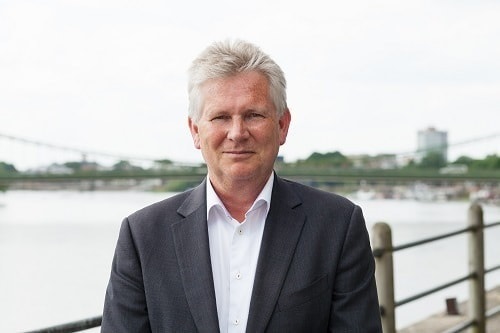
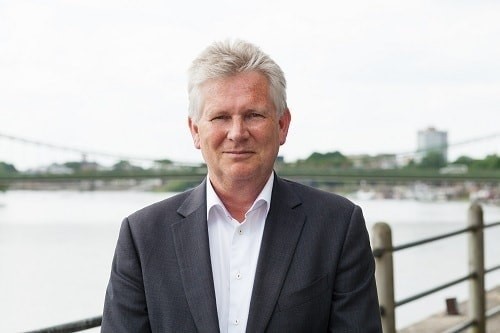 Mike Robinson FCA, chief executive, British Safety Council: "In a world flooded with information and data, it is hard to see the wood for the trees, but surely something worth trying, if nothing else than for the sake of our own and others’ wellbeing."
However, the authors of the report stress that we should not just look at the average levels of happiness which result from a particular society, we should also look at the scale of ‘misery’, or low life satisfaction, to get the full picture.
This is a theme picked up in analysis of the latest Gallup World Poll, by an international group of academics, which showed that people around the world – of all ages, income, and education – are increasingly saying they are ‘emotionally distressed’.
By combining findings about worry, sadness, stress and anger into a single metric, they have created a global index of ‘emotional distress’, which shows a similar rise in all 113 countries.
From 2009 to 2021, the report shows that prevalence of feelings of distress increased a lot, by around 24 per cent. Fourteen years ago, one in four people reported experiences of distress. Two years ago, that had risen to one in three, or two billion adults. This was the case across demographic groups, though largest among more disadvantaged groups.
Crucially, the report found that distress levels rose during the pandemic in 2020, over and above the general increasing trend in distress. That said, for all groups wellbeing returned quite quickly to pre-pandemic levels.
So, what’s leading to this increase in emotional distress? The reality is we don’t know for sure.
Some people think it could be because we’re all a bit more willing to talk about our feelings. Others point to social media, and especially its impact on younger people’s mental health.
Even the academics who created the index are not certain, wondering if it is about broader trends around economic and political insecurity and social cohesion, or maybe down to declining trust in politicians.
Life expectancy has increased around the world – though we have also learned it was slower in the UK than other G7 countries in the past seven decades and is now falling.
Across the globe people are materially better off, and better educated than ever before. So, what is driving our increasing anxiety?
The Times, in a recent editorial, wanted to tell us the good news (for once) that: “the proportion of people living in extreme poverty has declined at its fastest rate in history over the past two decades. More than half the world’s population is middle class. Global deaths of children under five more than halved between 1990 and 2021.”
For more proof that the world is actually better than you think it is, try reading Factfulness by Swedish academic Hans Rosling, along with his son and daughter-in-law.
As the book’s publishers say: “When we worry about everything all the time instead of embracing a worldview based on facts, we can lose our ability to focus on the things that threaten us most.”
In a world flooded with information and data, it is hard to see the wood for the trees, but surely something worth trying, if nothing else than for the sake of our own and others’ wellbeing.
OPINION
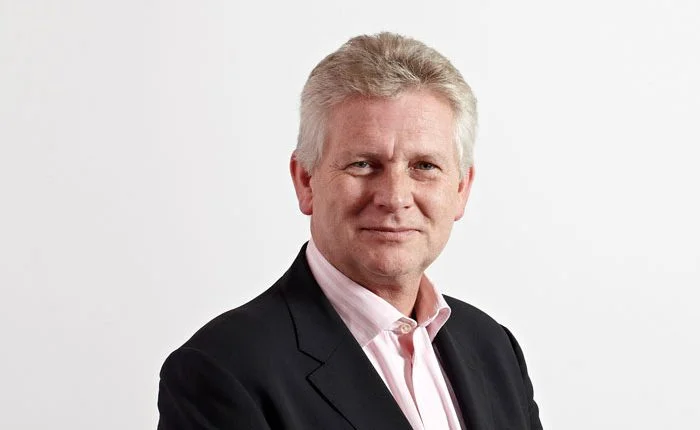
Building a future worth working in
By Mike Robinson FCA, British Safety Council CEO on 12 October 2026
It’s easy to become myopic about the future of work. Take a quick look at the world today and the signs can seem discouraging: political instability, economic volatility, the accelerating disruption posed by AI and climate change. Together, these factors paint a picture of uncertainty that can make our belief in progress seem naïve and tempt us into believing that the future can be no better than the past, that our best days are now behind us. That would be a profound failure of imagination.

Rethinking homes as centres of economic activity (amongst other things)
By Andy Lake, Flexibility.co.uk on 08 October 2026
The decentralisation of work away from fixed workplaces, the rise of AI and demographic changes are creating new opportunities for people to carry out ‘hands-on’ work in the home, such as production of fashion, textiles, food and drink, and delivery of health services and therapies. However, our existing housing stock is not designed to accommodate such functions, so it’s essential that future town planning creates homes that support different kinds of enterprise, both to support business success and the wellbeing of these new home-based workers.
Learning that saves lives
By Mike Robinson, chief executive, British Safety Council on 11 September 2026
Success can sometimes be a problem. The better we become at preventing incidents, the harder it can be to see what is actually preventing them.