
Last month, I asked ‘how can we avoid this becoming a winter of discontent?’ The Government has since set out its plans to cap energy prices for consumers and businesses, and how it will seek to grow the economy and support people, largely through a series of tax cuts.
Opinion
How we can help small businesses to ‘Keep Thriving’ this winter
By
on 01 October 2022
Many commentators have criticised the Chancellor for handing too many giveaways in his ‘Growth Plan’ to top or high earners, rather than supporting those on lower incomes or in the ‘squeezed middle’. The financial markets also gave their response, which has led to the biggest fall in sterling against the dollar in half a century and means prices and interest rates are unfortunately now likely to rise higher still.
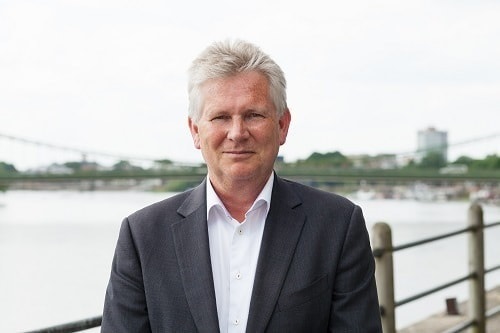
 Mike Robinson FCA is chief executive of British Safety Council. Photograph: British Safety Council
While I don’t propose to add fuel to the fire, my concern is that none of this is a recipe for more calm or certainty, which is not only what investors want, it is what organisations, their leaders and their staff also crave – in spades.
Sadly, however, our world isn’t heading that way, any time soon. Especially given the new Government’s stated intention to rip up the rule book and deregulate, which will only add to the uncertainty. So, given these conditions, how do we ensure that our people and our businesses not only survive, but thrive?
Personally, I have faith in the ability of the British people to see their way through this.
We’re a country brimming with ideas, creativity, and talent. We’ve a long history of incredible achievements, inventions and discoveries that have helped to save lives, combat disease, and improve people’s quality of life around the globe.
But I am concerned about the level of challenge and pressure piling onto our businesses right now, particularly smaller ones. Which is why I have decided that, as a charity, British Safety Council should do something to help.
During the Covid pandemic, you may remember we gave free help, training and support to SMEs. In the coming weeks and months, we will be doing something similar by offering small and medium-sized enterprises (SMEs) and micro-sized businesses the chance to improve the wellbeing of their staff and, in doing so, help future proof their organisation.
Why are we doing this? Because when people feel safe, cared for, and understand where they’re heading, they are also more likely to deliver what you need as a business.
It has been shown in research that – in workplaces where there is a proper strategy for wellbeing – staff morale, engagement, and retention, as well as working relationships, inclusion and productivity, are all reported to be better. Sickness absence is lower, as is work-related stress, and the brand of the company is seen to be enhanced. Which organisation wouldn’t want that?
But we know around half of businesses do not have a wellbeing strategy. And if they do not act, they may be forced to do so, despite the new Prime Minister’s deregulatory zeal.
As I said last month, it is only by working with our people and asking them what they need, that we can hope to help support them through tough times.
By putting a strategy and plan in place to improve and support wellbeing, you are doing much more than trying out a quick fix or add-on, you’ll be putting the health, safety and happiness of your staff at the heart of your organisation.
Our history as an organisation is standing up for those at the sharp end of risk and danger. Small and micro-sized businesses may not have the luxury of HR teams or support and, in this small way, I hope that we can help small and growing businesses to keep thriving this winter.
OPINION

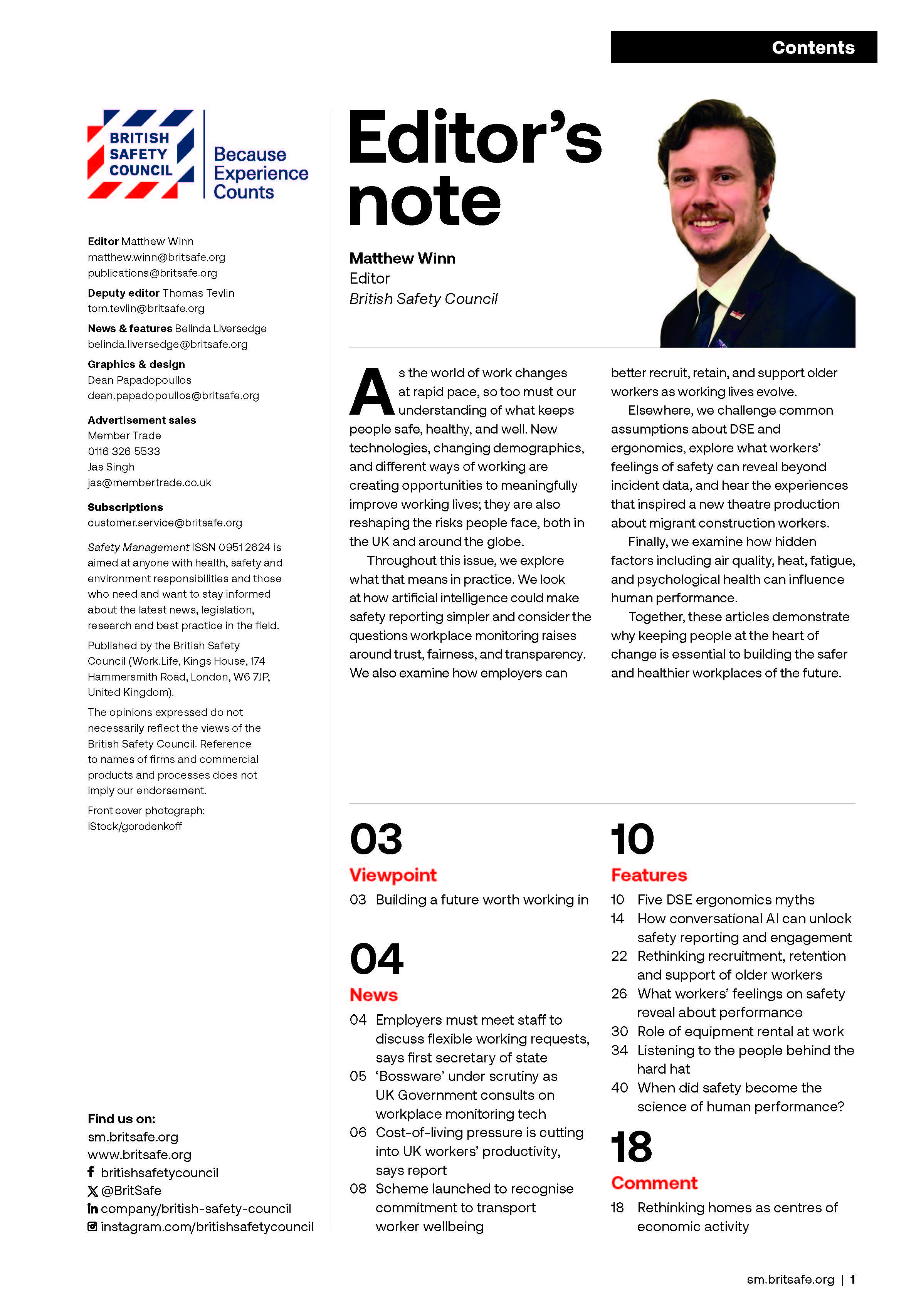
Building a future worth working in
By Mike Robinson FCA, British Safety Council CEO on 12 October 2026
It’s easy to become myopic about the future of work. Take a quick look at the world today and the signs can seem discouraging: political instability, economic volatility, the accelerating disruption posed by AI and climate change. Together, these factors paint a picture of uncertainty that can make our belief in progress seem naïve and tempt us into believing that the future can be no better than the past, that our best days are now behind us. That would be a profound failure of imagination.

Rethinking homes as centres of economic activity (amongst other things)
By Andy Lake, Flexibility.co.uk on 08 October 2026
The decentralisation of work away from fixed workplaces, the rise of AI and demographic changes are creating new opportunities for people to carry out ‘hands-on’ work in the home, such as production of fashion, textiles, food and drink, and delivery of health services and therapies. However, our existing housing stock is not designed to accommodate such functions, so it’s essential that future town planning creates homes that support different kinds of enterprise, both to support business success and the wellbeing of these new home-based workers.
Learning that saves lives
By Mike Robinson, chief executive, British Safety Council on 11 September 2026
Success can sometimes be a problem. The better we become at preventing incidents, the harder it can be to see what is actually preventing them.