
Wearable technology, greater employee involvement in decision-making and embedding risk reduction at the design stage of projects could all help boost the health of construction workers, according to a new report from IOM.
Features
A healthier future for construction
By
on 19 August 2022
A new report by the Institute of Occupational Medicine (IOM), in collaboration with the Futurebuild exhibition and conference, has highlighted how approaches like using data and technology to improve working practices, allowing individuals to take ownership at work and designing work to put users first could improve the health of everyone working in the construction industry.
The report concludes that if construction businesses take action now to develop and improve working practices in these types of areas it will increase the effectiveness of workers, end-users and construction businesses overall, and bring substantial health benefits for the workforce.
 Nathan Baker: "Research shows that digital transformation and the technical innovation of the built environment as it relates to workers and end-users is set to increase."
The research was carried out at this year’s Futurebuild conference, and involved IOM speaking to people from across the sector to get different opinions on how working practices could develop in the future to improve the health of workers. Opinions and perspectives were captured from informal conversations at the event, a questionnaire and a panel discussion entitled ‘What if we got people protection right?’.
From these discussions it is clear that the construction sector is embarking on a journey of change, and businesses are now seeking to reshape and adapt many of their existing working practices and giving increased priority to worker health and not just safety. These changes will hopefully help fix the talent drain, boost productivity and help the construction sector to improve its environmental performance.
The research highlights four key areas of change that need to be addressed and developed by the industry to help create working environments that support and develop staff to be more effective, productive and healthier.
Using data and technology to improve working practices
Research shows that digital transformation and the technical innovation of the built environment as it relates to workers and end-users is set to increase.
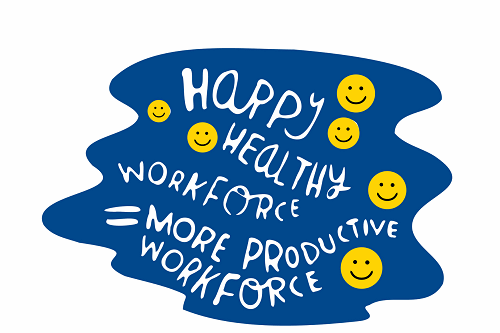 Illustration: Institute of Occupational Medicine
New technologies, particularly in the digital field, offer significant ways to enhance worker safety and monitor staff exposure to hazards. For example, wearable monitors that track heart rate, repetitive motion and body temperature, could be used to understand the impact of work on staff, helping identify those higher risk tasks which can be addressed and modified. Wearable technology could also be used to warn workers about airborne threats and when limits reach dangerous levels, allowing them to take steps to protect themselves and others.
Remote monitoring also provides an opportunity to develop further understanding of activities which result in unsafe exposure levels, allowing businesses to identify and resolve potentially hazardous situations, often before they even occur.
More widespread adoption of wearable technologies would enable the industry to be more proactive on health and safety, alerting everyone to dangerous environments before they have an impact. The data generated will create new responsibilities for those responsible for analysing and acting on it but the whole process doesn’t need to be complicated. Even a simple intervention such as using remote monitoring sensors provides quantitative data which can be analysed and used to inform recommendations.
Home working practices and environments
Many of those asked reflected on the shift to home and hybrid working and the improvement in their work-life balance as a result, experiencing enhanced wellbeing and positive mental health.
However, there are concerns about this new way of working, the work environment and how to manage the risks associated with this. Conversations revealed that some are unaware of what a healthy hybrid working environment looks like and this therefore highlighted a pressing need for greater education, guidance and training on how to ensure safe and healthy hybrid and home working.
Small changes can be easily implemented, whether it is training staff to set up their home office space to minimise the risk of health problems and improve feelings of wellbeing, and carrying out remote DSE assessments to check home workstations are suitable and workloads are manageable. Doing so will allow the industry to unlock greater productivity and improve overall worker health.
Allowing individuals to take ownership
The view of many of those questioned was that individuals in the workplace are the most important element in making the work and the working environment safer and healthier in the construction industry, and employees want a greater say in how to improve their environment for the benefit of their and their colleagues’ health and safety. The leaders we spoke to were also keen to listen more, noting that those on the ground were able to offer greater context and contribute their expertise to provide solutions.
 Illustration: Institute of Occupational Medicine
However, for employees to feel comfortable voicing their concerns, ideas and solutions, there needs to be a culture of open discussion and transparency rather than one of fear and repercussion. This will help uncover areas for improvement and lead to more comprehensive problem solving.
Starting the process of having meaningful conversations with workers on health and safety can be challenging. However, allowing staff to take ownership of health and safety and voice their views helps to create a ‘safety first’ culture. Conversely, negative environments where staff feel unable to report hazards and suggest ways of improving health and safety lead to a poor safety culture, which the Health and Safety Executive says can increase the likelihood of accidents and injuries.
Designing work to put users first
A recurring theme of the discussions was that designing for safety in advance of the construction phase will reduce the number of opportunities for harm to workers.
So, at the conception stage of a project, duty holders should try to design tasks and working practices to avoid risky situations and minimise harmful exposures. Employers should think about worker health and safety at the earliest stage rather than simply reacting to threats as they occur.
Designing working practices in a way that reduces the impact on users and protects them from harmful exposures was found to be a critical issue. The view was that offsite manufacturing is the easiest way to do this, along with mitigating risks and danger by conducting activities in safe environments.
Equally the design of construction workspaces is important. For example, ensuring that there is proper ventilation, well-maintained equipment that can be easily accessed and that all hazards are identified and controlled.
To do this effectively duty holders need to consider the following: develop a protective policy, conduct training, identify risks at source, and design workplaces to suit the individual users. This holistic approach plays a key role in the reduction of workplace risk, occupational illness, injuries and accidents.
In short, organisations must take a step back and assess the most common threats to worker health and safety and then evaluate alternative, safer ways of working.
The future
The future is encouraging, as the research showed that from those working on the ground to industry leaders there is a clear willingness to identify and adopt practices that will improve worker health and safety.
We are committed to improving working environments and it is reassuring that others are doing the same. The industry needs to drive change quicker and focusing on health could be the catalyst for it. IOM’s science and expertise is available to help that happen.
Construction Industry Insight report here
Nathan Baker is CEO at the Institute of Occupational Medicine (IOM)
FEATURES

The five DSE ergonomics myths costing employers money
By Dr Nicola Tik & Dr Shane Lowe, Vitrue Health on 07 October 2026
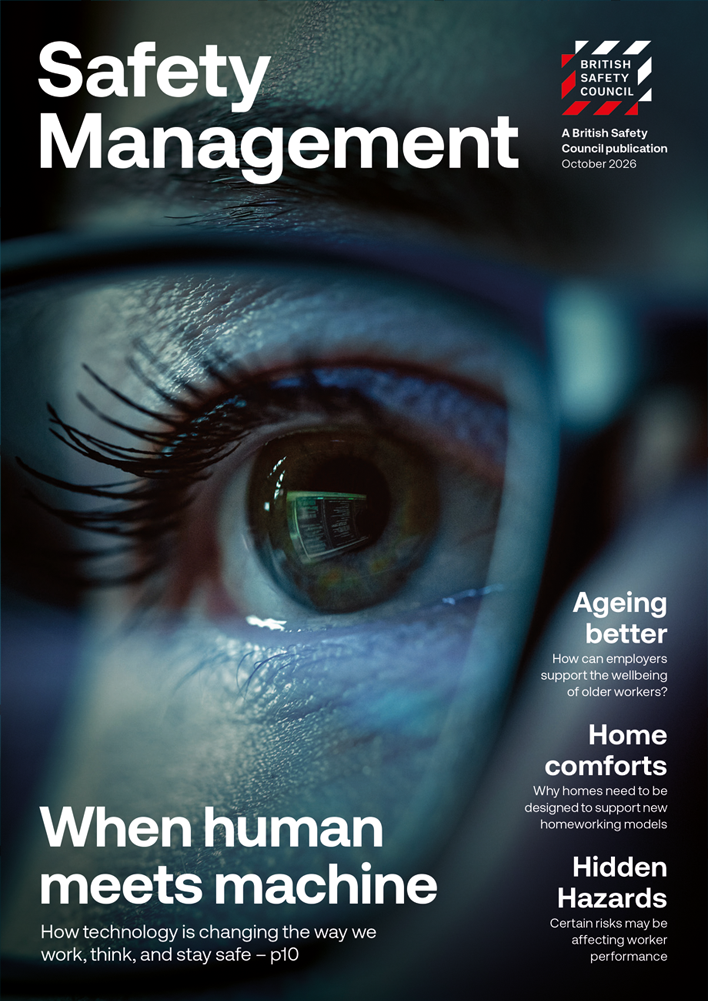
Employers often try to prevent musculoskeletal problems associated with display screen work by buying equipment, ranging from more expensive chairs to standing desks and posture correctors. The evidence suggests that what makes the difference is not the equipment itself but whether people are shown how to use it, encouraged to keep changing position and given timely, personalised advice based on their actual workstation and risk profile. Dr Nicola Tik and Dr Shane Lowe of Vitrue Health examine five common myths and explain how digital DSE assessment and training can help close the gap.
Confined spaces: why training is key to keeping workers safe
By Adam Barker, Draeger Safety UK on 22 September 2026
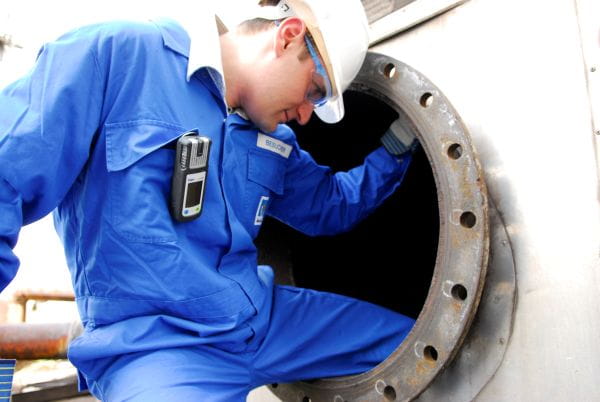
Suitable training plays an essential role in preventing fatalities and dangerous situations during work in confined, hazardous spaces like tanks, silos and sewers, but it’s essential that any course selected genuinely reflects the specific tasks, hazards and risks workers will be faced with.
Why the future of low-level access starts with rethinking old habits
By Samuel Butterworth, JLG Power Towers on 22 September 2026
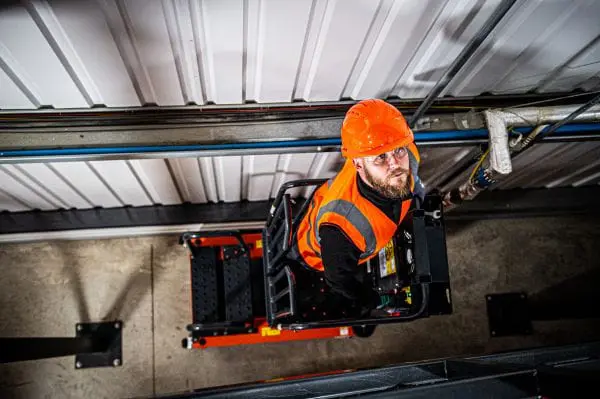
Low-level access equipment like powered lifts can help make work at height safer by providing a secure, enclosed working platform, but they can also bring other benefits, such as avoiding the need for awkward stretching to reach work areas, which helps to prevent musculoskeletal injuries.