

A campaign for the retention of fair access to legal representation for injured workers has ended in success after the government dropped plans to raise the small claims limit.
News
Success for ‘Justice for injured workers’ campaign
By
on 01 April 2021
The ‘Justice for Injured Workers’ campaign was backed by organisations including the British Safety Council and was led by the Union of Shop, Distributive and Allied Workers (Usdaw).
‘Priced out of legal assistance’
The issue began when the government published its Civil Liabilities Bill in 2018, which showed its intentions to reform whiplash claims. However, the plans also included proposals to change the rules for employer liability personal injury cases, by doubling the threshold for the small claims court.
The threshold was due to double from £1,000 to £2,000. MPs said this would have forced many more claims to be dealt with through the small claims procedure, whereby no legal costs are usually awarded, even in successful claims.
 A campaign for the retention of fair access to legal representation for injured workers has ended in success. Photograph: iStock
Commenting at the time, Richard Burgon MP, shadow justice secretary, said: “When legal fees are not covered, tens of thousands of working people will simply be priced out of obtaining legal assistance, resulting in many pulling, dropping or not pursuing their cases.”
Coalition power
In October 2018, a broad coalition came together to call on the government to step back from pushing more workplace injury cases through the small claims court process.
The group consisted of The Law Society, the Association of British Insurers, the British Safety Council and Thompsons Solicitors. The House of Commons Justice Select Committee also opposed the Bill’s proposals.
Thanks to their work, the plans have now been dropped. The regulations relating to the upcoming Civil Liability Act exempt workers from the reforms. The small claims limit for employer’s liability and public liability claims will not be increased and will remain at £1,000.
Commenting, Paddy Lillis, Usdaw general secretary, said: “Usdaw’s Justice for Injured Workers campaign brought together a broad coalition and key to its success was the help of the British Safety Council. We and our members are grateful to this influential, independent, award-winning charity that advises on health and safety and promotes the vision that no one should be injured or made ill at work.”
Lawrence Waterman, chair of the British Safety Council, said: “The British Safety Council is always exploring ways of working with others to improve workplace health, safety and wellbeing. When we realised that the government, in an attempt to reduce spurious claims for car accident whiplash, was targeting all small claims we understood that this would reduce workers’ ability to seek compensation for workplace injuries and ill health.”
He continued: “As well as natural justice for the people harmed, this would also reduce one of the pressures on employers to properly address health and safety. That is why we joined with Usdaw, the shopworkers trades union, and the Association of British Insurers in lobbying Parliament. Our cooperative efforts and sound arguments have worked, strengthening our resolve to continue seeking partnerships with organisations whose aims and values align with ours. It’s a great result.”

NEWS
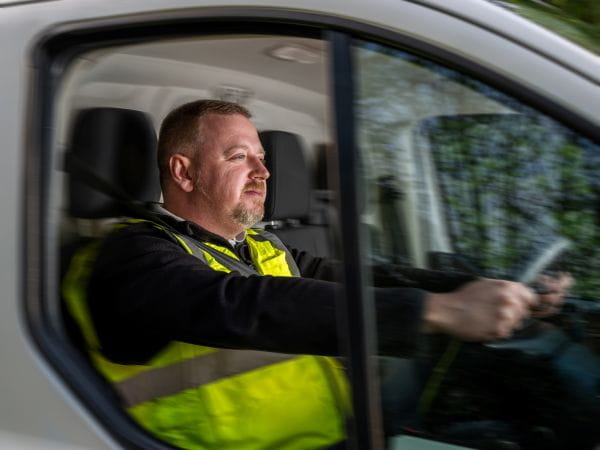
Scheme to recognise commitment to transport staff wellbeing launched by Road Haulage Association
By Orchie Bandyopadhyay on 01 October 2026
A new Wellbeing Recognition Scheme designed to allow organisations across the HGV, coach and van sectors to demonstrate their commitment to improving the health, wellbeing and resilience of the industry’s workforce has been launched by the Road Haulage Association (RHA).

Cost-of-living pressure is cutting into UK workers’ productivity, says report
By Orchie Bandyopadhyay on 04 October 2026
The cost of living is the single largest financial stressor for 62% of UK workers, far outweighing concerns about retirement savings (12%) and building emergency funds (8%), a new study has revealed. Sixty-two per cent of workers admit they do not fully understand the workplace retirement plan they pay into each month, according to TELUS Health’s Q2 2026 TELUS Mental Health Index.

Employers must meet staff to discuss flexible working requests, says first secretary of state
By Orchie Bandyopadhyay on 01 October 2026
Bosses must meet with employees who request flexible working and explain their reasons for any refusals, said Louise Haigh, first secretary of state, in a speech to the Trades Union Congress (TUC) in Brighton on 15 September.