
Recent times have been very challenging. The pandemic, which has killed over four million people globally and infected 200 million with long-lasting symptoms that debilitate, has had many other consequences.
Opinion
Seize the opportunity
By
on 16 August 2021
When healthcare is full of Covid cases, cancer and other health conditions go to the back of the queue. When the economy is hit hard by lockdowns as well as the disease, the low paid get pushed deeper into poverty. No aspect of life, from family gatherings to day-to-day work, has been untouched, and although the UK and other vaccinated places may be on the brink of recovery, the pandemic is far from over.
Nevertheless, as restrictions are eased, as most people return to work, as retail and leisure, transport and sport begin to move into a new normal, organisations are planning for their future with more confidence than a few months ago.
 Lawrence Waterman: Everyone has made huge sacrifices to protect lives
At the British Safety Council, we are proud of the assistance we provided to so many workplaces to manage infection health risks and to manufacture, transport and deliver services that were vital to society’s life as safely as possible.
Advising, training and auditing so that essential activities could continue with the appropriate protections in place. We will maintain this effort to ensure, as the new normal takes shape, it is influenced and led by people who put wellbeing at the heart of every workplace.
Everyone has made huge sacrifices to protect lives. We haven’t hugged our relatives or physically met friends and (new) colleagues. Against our natural instincts, we have respected social distancing rules. Every organisation has supported this, incurring huge costs, in reorganising work patterns, providing personal protective equipment, enhancing ventilation, disinfecting and cleaning to high standards everywhere, and much more.
The commitment by people and organisations to health and wellbeing has been phenomenal; not in the main driven by the law and enforcement but by understanding that we were all in this together, dependent on everyone’s precautions protecting us.
That is why the British Safety Council is calling on the spirit of protection that saved so many lives to ‘Seize the Opportunity’ that the return to near-normal working represents. The way in which the health risks were identified, assessed and mitigated should be applied to workplace risks across the board. Those accidental injuries, mental ill-health and day-to-day incidents that are preventable should be targeted with the same vigour.
A recent report by Deloitte proved a positive business case for employers to invest in staff wellbeing, revealing employers can expect an average return of £5 for every £1 spent. It’s surely an investment employers should consider, given the rising cost – up to £45 billion – of poor mental health in the UK workplace. Why waste money on accidents and ill health, on failure, when you can invest in success?
We have shown we can address risks honestly, devote resources and plan for safety and health. If we can do that in the eye of a global pandemic storm, we can do it in our everyday work. Workplaces and work are changing, and it is more important than ever that we put health and safety at the heart of business planning. Let’s work together to remake our workplaces and work, so that instead of injuring people or damaging their health, we protect everyone’s physical and mental wellbeing. That would be a legacy of the pandemic we could all stand up for.
Lawrence Waterman OBE is Chair of the board of trustees at the British Safety Council
OPINION
Building a future worth working in
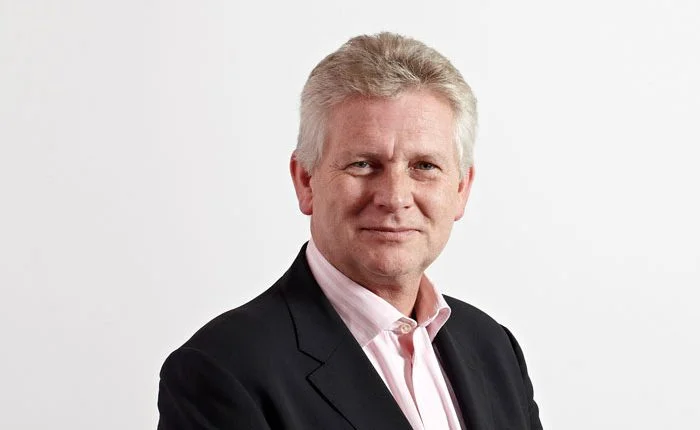
By Mike Robinson FCA, British Safety Council CEO on 12 October 2026
It’s easy to become myopic about the future of work. Take a quick look at the world today and the signs can seem discouraging: political instability, economic volatility, the accelerating disruption posed by AI and climate change. Together, these factors paint a picture of uncertainty that can make our belief in progress seem naïve and tempt us into believing that the future can be no better than the past, that our best days are now behind us. That would be a profound failure of imagination.

Rethinking homes as centres of economic activity (amongst other things)
By Andy Lake, Flexibility.co.uk on 08 October 2026
The decentralisation of work away from fixed workplaces, the rise of AI and demographic changes are creating new opportunities for people to carry out ‘hands-on’ work in the home, such as production of fashion, textiles, food and drink, and delivery of health services and therapies. However, our existing housing stock is not designed to accommodate such functions, so it’s essential that future town planning creates homes that support different kinds of enterprise, both to support business success and the wellbeing of these new home-based workers.
Learning that saves lives
By Mike Robinson, chief executive, British Safety Council on 11 September 2026
Success can sometimes be a problem. The better we become at preventing incidents, the harder it can be to see what is actually preventing them.