

For those responsible for fire safety within a building, ensuring appropriate action is taken to minimise risk in the workplace may seem like a daunting prospect.
Features
A helping hand
By
on 05 July 2021
While safety professionals are likely to be responsible for implementing and managing a company’s fire risk assessment and strategy, it is important to remember that they are not expected to know all the answers on their own.
By using third party accredited, competent contractors and products, health and safety managers can ensure they are working within industry best practice, minimising the risks from fire both to employees and the wider business.
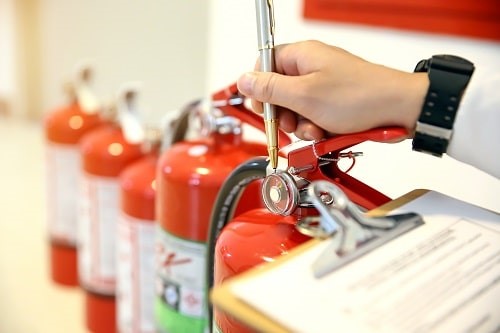 A fire strategy for a premises or site must provide ‘a clear set of measures encompassing fire precautions, management of fire safety and fire protection’. Photograph: iStock
One of the major issues when it comes to competency, however, is that there is no consistent legal definition. The debate around who qualifies as a ‘competent’ person gained momentum following the Grenfell Tower tragedy, and the subsequent Hackitt Review into Building Regulations and fire safety identified a significant lack of skills, knowledge and experience within the building and construction industry in relation to fire.
While we wait for clarity from the UK government on the matter of competence, health and safety managers may still be liable in the event of a fire if they cannot evidence that they have implemented best efforts to use a competent provider of fire safety services.
Seeking help from an accredited third party is therefore the best way for businesses to better identify and assess fire risks and ultimately limit their impact. A good provider will often offer ongoing support should any changes to the business or building be made. Below, we identify some of the areas in which a certified third party can help a business to become ‘fire secure’.
The importance of first-hand training
Health and safety managers play an important role in managing a business’s risk to fire, so it’s crucial they understand exactly what their responsibilities are and the impact their decisions could have in the event of a fire.
 Claire Wright, The Fire Protection Association: "In our experience, businesses don’t always take a robust, holistic approach to fire strategy."
Legally, the Fire Safety Act 2021 states that a responsible person (normally the owner or occupier of the premises), must make a ‘suitable and sufficient assessment of the [fire] risks’. By using a third party approved training provider, those responsible for fire safety can get a better understanding of the potential challenges caused by fire, as well as guidance on conducting the risk assessment itself and implementing the findings.
Knowing how and when to evacuate the building
Another key consideration for health and safety managers is having a thorough evacuation strategy in place. This may be made as a result of the building’s fire risk assessment and should consider the specific people at risk, where they are in the building and the risks that cannot be removed or reduced any further.
This may prove difficult for those with limited experience in fire strategy, as the evacuation approach often differs based on the building size, use and occupancy, meaning a single, staged or phased evacuation may be required.
Correct and up-to-date training is vital to ensure all decisions are correct and that risks are minimised. While few buildings have large numbers of fires each year, many have an unnecessary number of evacuations due to false alarms and poor control over contractor work. Having competent, well-trained responders can quickly eradicate the problem at hand with minimal disruption.
Putting a thorough fire strategy in place
A fire strategy for a premises or site must provide ‘a clear set of measures encompassing fire precautions, management of fire safety and fire protection’. This includes the development and implementation of systems, policies and procedures that address relevant risks in line with specific business objectives – with the aim to reduce risk to life while also protecting business procedures and assets.
However, in our experience, businesses don’t always take a robust, holistic approach to fire strategy. For health and safety managers, an important first step is understanding that their fire strategy will vary per building and is based on their individual requirements and specifications. This includes:
- Building description, including layout and materials
- Fire compartmentation, including protection to escape routes
- Evacuation strategy
- Fire detection and alarm arrangements, emergency lighting and fire safety signage
- Smoke ventilation and fire suppression
- Fire safety management arrangements, including staff training, inspection and review requirements.
Alongside the obvious risk to life, a fire can have a prolonged impact on a business, resulting from factors including loss of income, damaged equipment and stock and many others. The harsh reality is that some companies may not recover from a major fire.
Health and safety managers, and those responsible for fire safety, should therefore take the action necessary to minimise the risk, which includes partnering with an accredited third party.
For more information on third party accreditation and the resources available to health and safety managers, see: thefpa.co.uk/know-your-building
Claire Wright is Head of training at The Fire Protection Association (FPA)

FEATURES
Confined spaces: why training is key to keeping workers safe
By Adam Barker, Draeger Safety UK on 22 September 2026
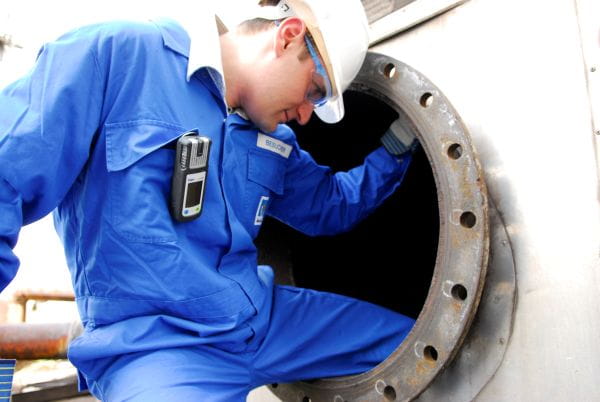
Suitable training plays an essential role in preventing fatalities and dangerous situations during work in confined, hazardous spaces like tanks, silos and sewers, but it’s essential that any course selected genuinely reflects the specific tasks, hazards and risks workers will be faced with.
Why the future of low-level access starts with rethinking old habits
By Samuel Butterworth, JLG Power Towers on 22 September 2026
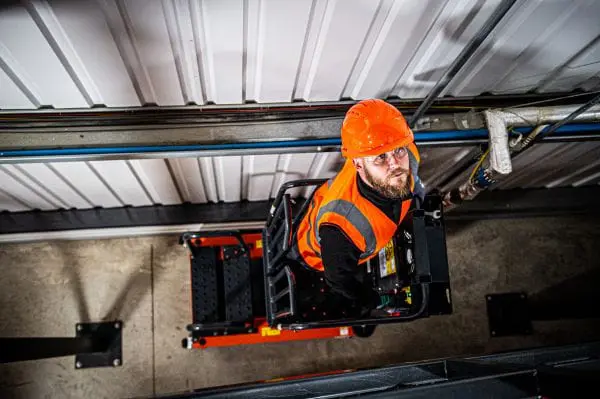
Low-level access equipment like powered lifts can help make work at height safer by providing a secure, enclosed working platform, but they can also bring other benefits, such as avoiding the need for awkward stretching to reach work areas, which helps to prevent musculoskeletal injuries.
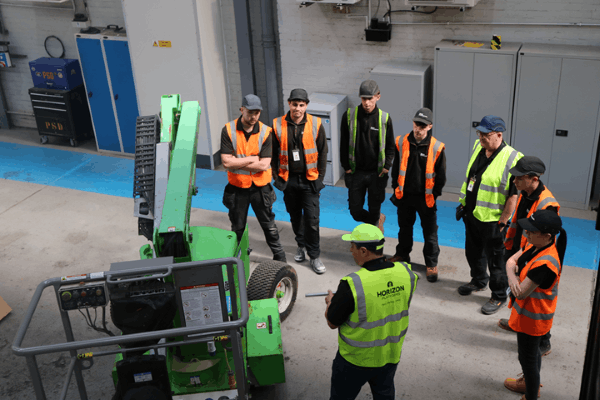
Why paperwork alone isn’t sufficient MEWP rescue preparation
By Ben Hughes, Horizon Platforms on 22 September 2026
A recent safety awareness day has highlighted the importance of contractors regularly practising emergency rescue from mobile elevating work platforms, rather than relying on one-off training sessions and paper procedures that are not always easy to follow during a fast-moving incident.