

Unite the union has warned that the new sound chosen for London’s electric buses creates dangers for road users and pedestrians as it sounds nothing like a traditional bus.
News
New London electric bus sound could pose dangers, warns Unite
By
on 07 January 2020
The sound which is being trailed in January has been described as sounding “like a spaceship”. It is argued that an artificial sound is necessary as electric buses are very quiet and so can potentially cause dangers for blind and partially sighted pedestrians.
Unite were initially consulted last year on some potential sounds for London buses but firmly rejected the one’s suggested as they did not sound like a bus.
No further consultation took place and Unite which represents over 20,000 London bus drivers was not aware that the “spaceship” sound would begin to be trialled this month.
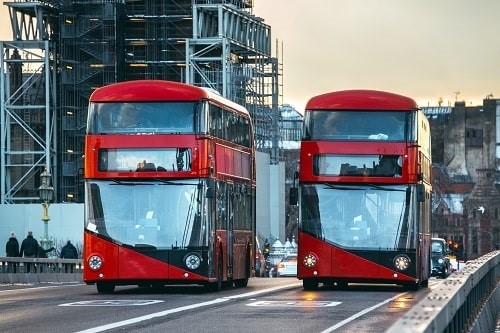
Unite says sounds being trialled on electric buses sound like a spaceship and will confuse people. Photograph: iStock
Unite lead officer for London buses John Murphy said: “Unite recognises that it is imperative that the new electric buses make a clearly audible sound for safety reasons. However we believe that the sound chosen is potentially dangerous as it sounds nothing like a bus."
Unite points out that today people are increasingly distracted when walking, due to the use of electronic devices, making it is essential that there is a "clear and obvious sound of a London bus".
“If people hear the spaceship sound they won’t think ‘bus’ and could place themselves unintentionally in danger," continued Murphy.
“Unite is also concerned that drivers have not been widely consulted about the new sound and there are potential concerns about whether they will find it distracting or if it will affect their health," he added.
Unite has written to urge Transport for London to pause the rollout of the new sound, undertake a wider consultation with all stakeholders and agree a sound like a bus.

NEWS

Scheme to recognise commitment to transport staff wellbeing launched by Road Haulage Association
By Orchie Bandyopadhyay on 01 October 2026
A new Wellbeing Recognition Scheme designed to allow organisations across the HGV, coach and van sectors to demonstrate their commitment to improving the health, wellbeing and resilience of the industry’s workforce has been launched by the Road Haulage Association (RHA).

Cost-of-living pressure is cutting into UK workers’ productivity, says report
By Orchie Bandyopadhyay on 04 October 2026
The cost of living is the single largest financial stressor for 62% of UK workers, far outweighing concerns about retirement savings (12%) and building emergency funds (8%), a new study has revealed. Sixty-two per cent of workers admit they do not fully understand the workplace retirement plan they pay into each month, according to TELUS Health’s Q2 2026 TELUS Mental Health Index.

Employers must meet staff to discuss flexible working requests, says first secretary of state
By Orchie Bandyopadhyay on 01 October 2026
Bosses must meet with employees who request flexible working and explain their reasons for any refusals, said Louise Haigh, first secretary of state, in a speech to the Trades Union Congress (TUC) in Brighton on 15 September.