

England’s chief medical officer has spoken out against what she calls a ‘lack of humanity’ and support for young doctors working in the NHS.
News
Two thirds of young doctors 'don't feel supported by management'
By
on 10 September 2019
Dame Sally Davies, who is due to step down in September after nine years in the role, said there was a woeful lack of care for trainee doctors in hospitals today: “Often when I’m talking to young doctors I ask them how many have consultants who know their names – rarely does anyone put a hand up.
“We have young doctors working very heavy hours and the pastoral and physical support has been taken out.
“We need to help our consultants find the time to do it. We have to find more humanity for our staff. If we want our doctors to have humanity with patients, we have to show it from the NHS, the hospitals and GPs to them,” she said in a BBC Radio 4 interview on 28 July.
 Junior doctors are feeling the strain because they are not being guided by consultants, said Dame Sally Davies. Photograph: iStock/LaylaBird
Davies’ comments come as a survey revealed that nine out of 10 trainee doctors said they have no one at work responsible for their wellbeing
The Medical Protection Society survey also found that over half did not feel encouraged by their line manager to discuss wellbeing issues. Almost 43 per cent of the 275 doctors who responded also agreed or strongly agreed considering leaving the profession for reasons of personal wellbeing.
Dr Pallavi Bradshaw at the Medical Protection Society said: “Just under two thirds do not or do not at all feel supported by their hospital management – it is therefore imperative that there is the right mix of support from clinical leaders, peers and managers, as this can help prevent the loss of these hard-working and highly- skilled doctors.”
The NHS has admitted there is an issue. Its Interim People Plan published in June named poor leadership culture as one of the six areas to fix to reduce staff pressures and retain and attract talented individuals. It admitted there was a ‘revolving door’ culture, where incompetent leaders are ‘quietly moved elsewhere in the NHS’.
“Everyone who has worked in the NHS can think of a manager or a working environment that they would rather forget,” it says.
The plan recommends introducing “agreed and explicit” competencies for senior leaders, support for ‘genuine’ improvement and staff engagement and rolling out talent boards who would help identify and develop individuals for senior roles.

NEWS

British Safety Council calls on UK Government to ban silica-containing materials
By British Safety Council on 20 August 2026
British Safety Council has called on the UK Government to ban the import and export of high silica-containing products within the next five years to protect workers from the risks associated with high-concentration silica-containing materials.
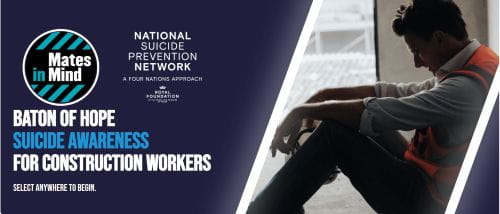
Mates in Mind launches free suicide prevention training for construction workers
By Thomas Tevlin on 13 August 2026
Mental health at work charity Mates in Mind has launched new digital training aimed at increasing awareness and reducing suicide amongst sole traders and self-employed construction workers to support World Suicide Prevention Day on 10 September.
Hidden Hazards. Recognise Risks. Protect Lives
By British Safety Council on 30 July 2026
British Safety Council launches new flagship campaign to shine a light on hidden hazards in the workplace.