
Work-related stress and anxiety – driven primarily by overwork and future uncertainty – disproportionately affect workers under the age of 45, according to new research.
News
Younger workers bear brunt of workplace stress, study finds
By
on 30 June 2026
A study of 1,210 UK workers, conducted by Opinium on behalf of industry body GRiD, reveals that generation Z reports the highest levels of work-related stress and anxiety at 28 per cent, closely followed by millennials at 22 per cent.
In contrast, these figures drop significantly for older demographics, with only 14 per cent of generation X and 7 per cent of baby boomers reporting work-related mental health pressures.
 Gen Z (born 1997 - 2012) reported the highest levels of work-related stress according to the study by GRiD. Photograph: iStock
While younger demographics face the highest pressure from the workplace itself, data shows that no age group escapes stress entirely; rather, the root causes simply shift across cohorts.
- Financial Strain: Money worries affect nearly a quarter (25 per cent) of Gen X workers and 18 per cent of Baby Boomers.
- Caregiving Demands: Gen X and Millennial women carry a disproportionate share of caregiving responsibilities alongside their employment.
- Silent Struggles: Middle-aged men remain the least likely to speak up or seek help, despite a well-documented need for mental health support.
“Pressure is not limited to one age group, as different cohorts face distinct challenges,” noted Katharine Moxham, spokesperson for GRiD.
“The evidence shows that employees across all generations experience stress, reinforcing the need for a broad and generation-agnostic approach to mental health support,” she continued.
Organisations should move away from demographic stereotypes and instead implement a comprehensive, multi-tiered support strategy when shaping preventative measures, says GriD.
“The evidence shows that employees across all generations experience stress, reinforcing the need for a broad and generation-agnostic approach to mental health support in employee benefits,” added Moxham.
NEWS

Farewell to Lorraine Gunstone, British Safety Council colleague, after 39 years’ service
By British Safety Council on 19 November 2026
In December 2026, the British Safety Council family say goodbye to our longest-standing colleague, Lorraine Gunstone, who is retiring after 39 years of sterling service in our accounts department. Here, Lorraine shares her fond memories of working for the charity down the years.
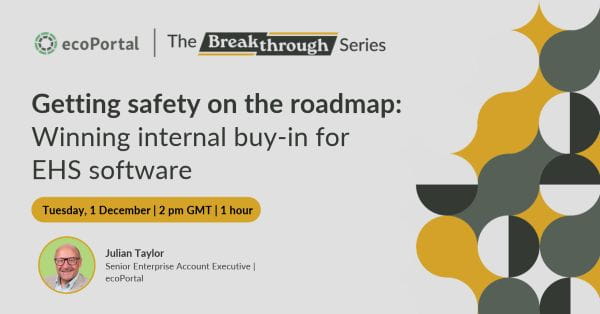
Winning internal buy-in for EHS software: free webinar from ecoPortal
By British Safety Council on 17 November 2026
ecoPortal’s Breakthrough Series session on 1 December shows how to build a business case for purchasing EHS software.

HSE launches campaign to address workplace noise and vibration risks
By Orchie Bandyopadhyay on 12 November 2026
Employers should tackle workplace noise and vibration risks before workers’ health is affected, the Health and Safety Executive (HSE) has warned, as it launched a campaign highlighting how to prevent permanent hearing loss, tinnitus and hand-arm vibration syndrome (HAVS).