

Prosecutions for health and safety breaches have reached a record low, HSE has revealed prompting warnings that bosses are prepared to flout safety laws because they no longer fear consequences.
News
Prosecutions for safety breaches reach record low
By
on 12 December 2019
HSE prosecuted 394 cases in 2018/19, a decrease of 23 per cent from 2017/18, statistics show. It is the lowest number for five years and represents a drop of over a third since 2014/15, when 600 cases resulted in a conviction at court.
Unite national officer Jerry Swain called the figures ‘deeply concerning’ particularly as there has been a rise in injuries in sectors.
Looking at the RIDDOR reportable non-fatal injuries for construction workers, these rose from 359 per 100,000 workers in 2017/18 to 366 in 2018/19. Swain said: “This is a dangerous cocktail and it will likely to result in a greater number of workers being injured and possibly killed unless urgent action is taken to reverse this trend.”
“Too many employers in construction remain prepared to ignore safety laws, to boost profits, as they believe that they won’t be caught,” he added.
 A greater number of trainee HSE inspectors could be behind last year’s 23 per cent drop in prosecutions, as they are taking longer to investigate cases. Photograph: iStock/danchooalex
HSE says in its report, which is a snapshot of data on injuries and ill health in 2019, that it is exploring if “a larger than normal number of inspectors in training” could be a factor in the fall.
HSE this year ran a nationwide recruitment drive for new inspectors, as well as appointing 24 trainee inspectors.
Inspectors are taking longer to complete their investigations. In 2018/19 just 65 per cent of fatal investigations were completed within 12 months of the incident, compared with 81 per cent the year before.
£54.5 million in fines were issued for health and safety offences last year, versus £71.6 million in 2017/18, but the average fine has stayed the same. This suggests the drop in total fines is due to the decrease in cases completed.

NEWS
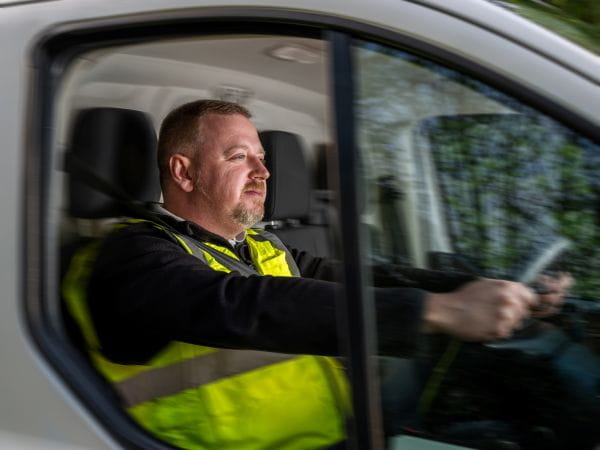
Scheme to recognise commitment to transport staff wellbeing launched by Road Haulage Association
By Orchie Bandyopadhyay on 01 October 2026
A new Wellbeing Recognition Scheme designed to allow organisations across the HGV, coach and van sectors to demonstrate their commitment to improving the health, wellbeing and resilience of the industry’s workforce has been launched by the Road Haulage Association (RHA).

Cost-of-living pressure is cutting into UK workers’ productivity, says report
By Orchie Bandyopadhyay on 04 October 2026
The cost of living is the single largest financial stressor for 62% of UK workers, far outweighing concerns about retirement savings (12%) and building emergency funds (8%), a new study has revealed. Sixty-two per cent of workers admit they do not fully understand the workplace retirement plan they pay into each month, according to TELUS Health’s Q2 2026 TELUS Mental Health Index.

Employers must meet staff to discuss flexible working requests, says first secretary of state
By Orchie Bandyopadhyay on 01 October 2026
Bosses must meet with employees who request flexible working and explain their reasons for any refusals, said Louise Haigh, first secretary of state, in a speech to the Trades Union Congress (TUC) in Brighton on 15 September.