

Bosses must meet with employees who request flexible working and explain their reasons for any refusals, said Louise Haigh, first secretary of state, in a speech to the Trades Union Congress (TUC) in Brighton on 15 September.
News
Employers must meet staff to discuss flexible working requests, says first secretary of state
By
on 01 October 2026
Addressing the TUC conference, Haigh said that under new reforms, scheduled to come into force in autumn 2027, employers will be required to “sit down with their employee, properly consider it [the request] and explain why”.
Haigh told delegates: “That is what putting power back into the hands of working people looks like.”
She added: “Life isn’t always as neat as we’d like it to be or as employers would like it to be. There’s kids to pick up, parents to look after, families who rely on us at short notice. And sometimes a little bit of flexibility can make all the difference.”

She further stated: “Now I know that businesses have to make things work too. Not every job can be done from home and not every request can be agreed. But every request can be taken seriously. So today I can announce that we will strengthen the right to flexible working. If an employer wants to turn down a request, they will have to sit down with their employee, properly consider it and explain why.”
Paul Nowak, TUC general secretary, said flexible working was not “just a perk – it’s a lifeline”.
He added: “That’s why this move is a welcome step forward. It makes it harder for employers to turn down requests while giving workers a stronger voice in the process. Improving access to flexible working benefits workers, businesses and the economy – whether it’s through increasing staff productivity or higher retention.”
Under current rules, employees have a legal right to request flexible working from day one of employment. Employers must consider requests in a “reasonable manner” and reach a decision within two months. Under the new rules, which are part of the Employment Rights Act 2025, employers will be required to sit down with employees and explain the reason behind their decision.
Haigh praised unions for their work campaigning for the Employment Rights Act.
She said: “Because of you, working people have had the biggest uplift in their rights in a generation. Changes that won’t just transform lives today… but the lives of our children and our grandchildren.”
The changes include sick pay from day one, restrictions on fire and rehire, improved protections for mothers and fathers, and stronger safeguards against unfair dismissal.
The Government is also taking steps to crack down on “exploitative” zero-hours contracts, which Haigh said currently give “employers all the flexibility” and workers “all the insecurity”.
Meanwhile, the debate over flexible working is also playing out among major employers. Barclays is facing growing staff opposition to plans that would require thousands of UK employees to work from the office more often.
Staff who have been expected to work in the office for two days per week should attend the office at least three days a week from January 2027, according to the company.
Unite, which represents about 36,000 Barclays staff, is calling for the bank to reverse its decision. The union is also pressing for exemptions and a payment to offset increased travel and childcare costs.
Barclays said it recognised “the benefits of balancing flexibility for colleagues with the importance of working together in our physical locations”. It added that additional office attendance for senior leaders was intended to support collaboration, decision-making and leadership visibility.
The dispute places Barclays among major financial institutions tightening hybrid-working arrangements adopted during the Covid-19 pandemic.

NEWS

Employers must meet staff to discuss flexible working requests, says first secretary of state
By Orchie Bandyopadhyay on 01 October 2026
Bosses must meet with employees who request flexible working and explain their reasons for any refusals, said Louise Haigh, first secretary of state, in a speech to the Trades Union Congress (TUC) in Brighton on 15 September.

British Safety Council calls on UK Government to ban silica-containing materials
By British Safety Council on 20 August 2026
British Safety Council has called on the UK Government to ban the import and export of high silica-containing products within the next five years to protect workers from the risks associated with high-concentration silica-containing materials.
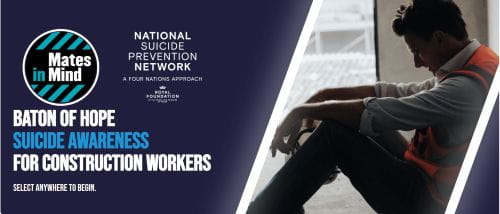
Mates in Mind launches free suicide prevention training for construction workers
By Thomas Tevlin on 13 August 2026
Mental health at work charity Mates in Mind has launched new digital training aimed at increasing awareness and reducing suicide amongst sole traders and self-employed construction workers to support World Suicide Prevention Day on 10 September.