
Outdoor workers can face a heightened risk of deadly skin cancer due to exposure to ultraviolet radiation from the sun, but simple precautions and workplace controls can reduce the dangers.
Features
Don’t overlook the deadly hazard of occupational sun exposure
By
on 29 July 2026
Record-breaking temperatures have brought the UK’s changing climate into sharp focus this summer, prompting renewed conversations about managing workplace temperatures, preventing heat stress and keeping workers safe during periods of extreme weather.
These are incredibly important discussions. But in my experience as an industrial skincare specialist at Arco, many workplaces are unintentionally overlooking one of the most significant risks facing employees as our climate continues to evolve: occupational sun exposure.
Recently, during a routine site visit, I noticed subtle changes to an employee’s skin. To the untrained eye, these changes were so subtle they may have gone undetected for quite some time.
I’m not a doctor by any means, and I can’t diagnose skin cancer – nor would I ever attempt to. However, many years of experience have armed me with a strong instinct and sharp eye for warning signs.
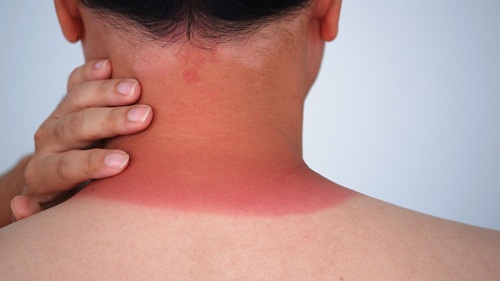 Sunburn provides an immediate warning sign, while long-term skin damage tends to develop gradually, quietly. Photograph: iStock
After looking at the employee’s skin more closely using an advanced skin diagnostic device which exposes sun damage, pigmentation issues, clogged pores, vascular redness and so much more besides, I advised the worker to visit their GP, who sadly confirmed it was indeed skin cancer.
The reality is that these conversations are happening more and more often. While employers are becoming increasingly aware of the immediate risks associated with extreme heat conditions, such as dehydration, heat exhaustion and heat stroke, the dangers of long-term exposure to ultraviolet (UV) radiation are all too often underestimated – until the damage is already done.
Unlike heat-related illness, the effects of sun exposure can take years to develop, making it easier for both workers and employers to overlook, or even consider them hypothetical, worst-case scenarios.
That needs to change. At Arco, we believe occupational sun exposure should be treated with the same level of seriousness as any other workplace hazard. If a risk has the potential to cause long-term harm to workers, it deserves the same attention, planning and preventative measures as any other health and safety concern.
Heat stress – a significant workplace risk factor
The changing climate creates genuine challenges for employers, particularly given much of our UK infrastructure is not designed to cope with extreme temperatures.
Heat stress occurs when the body’s natural temperature regulation systems struggle to cope with environmental conditions. High temperatures, humidity, physical exertion, restrictive personal protective equipment (PPE) and limited airflow can all contribute to workers becoming unwell.
Early symptoms can include, but are not limited to fatigue, headaches, dizziness, muscle cramps and difficulty concentrating. Left unmanaged, these issues can develop into heat exhaustion or, in severe cases, heat stroke.
Beyond these immediate health implications, heat can also impair concentration, judgement and reaction times, increasing the likelihood of mistakes, accidents and injuries.
Employers have a duty to regularly assess workplace temperatures, monitor environmental conditions and implement suitable controls. This could include improving ventilation, providing access to cool, fresh drinking water, introducing more frequent rest breaks, and adjusting work schedules to avoid the hottest parts of the day, wherever realistically possible.
However, while the effects of heat stress are typically visible and immediate, another danger continues to develop silently in the background.
 Nicholas Foort: "Too often, workplaces treat sun protection as a seasonal concern, or a matter of personal responsibility."
The hazard many workplaces underestimate
When people think about skin cancer, they often associate it with holidays abroad, sunbed use, or recreational sun exposure.
Few people consider the cumulative impact of spending years working outdoors. Construction workers, highways teams, utility engineers, agricultural workers, logistics personnel and a wide range of other outdoor-working professionals can spend thousands of hours exposed to harmful UV rays throughout their careers.
What makes this particularly concerning is that UV radiation is totally invisible.
Even on cooler, or cloudy days, workers can be exposed to harmful levels. Unlike sunburn, which provides an immediate warning sign, long-term skin damage tends to develop gradually, quietly. Yet skin cancer remains the most common form of cancer in the UK, accounting for approximately 31% of all cancer diagnoses.
For me, that statistic alone should be a wake-up call for businesses. The most worrying thing is that many cases may be somewhat preventable through greater awareness, earlier intervention and more rigorous workplace controls.
When discussing occupational skin health, it is so important not to focus solely on UV exposure. Many industries already face elevated levels of occupational skin disease. In construction, for example, workers are regularly exposed to substances such as wet cement, fuels, oils, solvents and cleaning products, all of which can contribute to occupational dermatitis and other skin conditions.
With this in mind, employers should consider skin health as part of their wider occupational health strategy, rather than viewing sun protection as a standalone issue. At Arco, we regularly work alongside organisations that are looking to take a more proactive approach to occupational skin health, combining awareness, prevention, education and protection.
The goal should be about so much more than merely compliance. It should be built around protecting workers from preventable ill-health throughout their careers.
Shaping an effective occupational sun protection programme
The great news for business owners is that reducing occupational sun exposure doesn’t require complicated, hard-to-implement solutions that are even trickier to follow.
Some of the most effective interventions are also the most simple. Employers can begin by identifying which workers are most at risk, and by incorporating UV exposure into their existing risk assessment processes.
Factors such as the duration of outdoor work taking place, the time of day, availability of shade and individual vulnerabilities should all be carefully considered. From there, businesses can implement practical control measures.
These might include adjusting outdoor working schedules during peak UV periods where possible, rotating workers between indoor and outdoor tasks, providing shaded rest areas, and ensuring easy access to fresh, cool drinking water.
Employers should also encourage their workers to have their skin checked regularly for changes and report any concerns as early as possible.
They should also consider providing suitable UV protection products, such as sunscreen with a high sun protection factor, and supplying appropriate UV-protective clothing and eyewear.
Education for employees is equally important. Workers should be empowered to quickly recognise the signs of heat stress, clearly understand the risks associated with UV exposure, and feel confident reporting potential concerns without hesitation, fear or stigma.
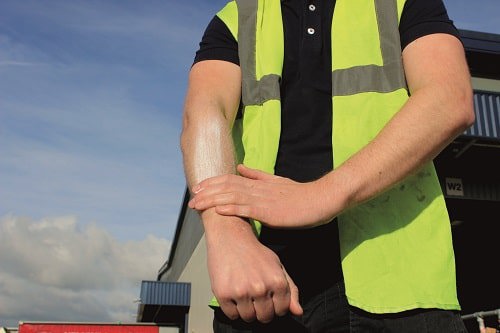 Employers should consider providing sunscreen with a high sun protection factor. Photograph: iStock
In my experience, prevention begins with conversation. The more openly organisations talk about occupational skin health, the more likely workers are to recognise problems before they become serious.
Where awareness meets action
As temperatures continue to rise, and periods of extreme heat become more frequent, and more intense, employers have a duty to rethink how they approach occupational health risks.
Heat stress deserves attention, but so does occupational sun exposure. Too often, workplaces treat sun protection as a seasonal concern, or a matter of personal responsibility.
In reality, it is a workplace health issue that requires the same responsible, structured approach as any other hazard, such as slips, trips, malfunctioning machinery or exposure to hazardous chemicals. The great news is that skin cancer is largely preventable.
By combining practical controls, education, suitable skin protection products and a culture that openly encourages early intervention, employers can significantly reduce risks and help protect their workers from preventable harm.
Ultimately, safeguarding workers from occupational sun exposure is not simply about compliance; it’s about recognising a risk, taking appropriate action, and ensuring people can keep safe and stay healthy throughout their working lives.
For more information see:
arco.co.uk
Nicolas Foort is an industrial skincare specialist at Arco
FEATURES

Who is the wolf in your life? Listening to the people behind the hard hat
By Inna Cebotari, Kinth Square on 02 October 2026
A new play explores the lives of migrant construction workers in the UK, using humour, real-life experiences and physical theatre to capture the banter, friendships and absurd moments that make life on site bearable, alongside the pressures that often go unseen. Ahead of the play’s premiere in London on 12-14 November, playwright Inna Cebotari explains how Three Little Pigs aims to add to the public debate about how best to support the wellbeing of construction workers.

Eliminating barriers in reporting: how conversational AI can unlock safety engagement
By Julian Taylor, ecoPortal on 04 October 2026
Online reporting systems that require lengthy and cumbersome form filling and typing can discourage workers from reporting safety incidents and concerns. However, AI-powered mobile apps that allow reporting simply by speaking can simplify and speed up the process, boosting reporting rates and overall staff engagement with safety systems and culture.

Why UK employers need to rethink recruitment, retention and support for older workers
By Orchie Bandyopadhyay on 04 October 2026
With workers over the age of 50 now comprising almost one third of the entire UK workforce, recruiting and retaining older workers is now core to the success of the economy. However, not all employers are offering what’s needed to retain and recruit older workers, and ageist attitudes, limited flexible working opportunities, and employment support that doesn’t fit with health, caring, or other responsibilities are leaving too many people locked out of the labour market.