

Suitable training plays an essential role in preventing fatalities and dangerous situations during work in confined, hazardous spaces like tanks, silos and sewers, but it’s essential that any course selected genuinely reflects the specific tasks, hazards and risks workers will be faced with.
Features
Confined spaces: why training is key to keeping workers safe
By
on 22 September 2026
When it comes to workplace accidents, confined space incidents are among the most serious and unforgiving. The nature of working in a confined space means that a single failure in risk assessment, atmospheric monitoring, ventilation or emergency arrangements can have fatal consequences, with the potential for multiple casualties when an unplanned rescue is attempted. Indeed, when something goes wrong in a confined space environment, be it a ventilation shaft in the oil and gas industry or an underground utilities pipeline, the consequences are often immediate and severe.
If an individual experiences oxygen depletion, is overpowered by a toxic environment, or becomes submerged in liquid such as water, they will be incapacitated within minutes. Consequently, it is essential that proper planning and training are in place so that others on site can act immediately to rescue colleagues – without putting their own safety at risk.
The USA’s National Institute for Occupational Safety and Health (NIOSH) provides a stark reminder of the consequences of not being prepared; its published statistics reveal that 92% of fatalities in confined spaces occur because of inadequate confined space and rescue training.
For this reason, confined space training remains arguably one of the most important aspects of safety training for industries where workers need to operate in these environments. Yet, despite decades of official guidance and repeated official warnings following serious incidents in confined spaces, fatalities and serious injuries still occur too frequently, with incident reports repeatedly showing common mistakes such as inadequate training, poor planning and a failure to follow established safety procedures.
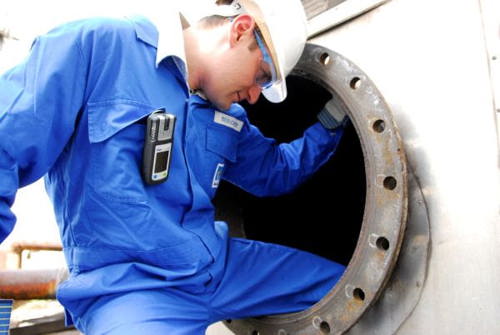
What is a confined space?
In regulatory terms, a confined space is any enclosed or partially enclosed area where there is a risk of serious injury from hazardous substances or dangerous conditions. These environments are found in a wide range of UK industries, including construction, utilities, manufacturing, agriculture, water treatment and shipping.
Common examples include:
- Storage tanks and vessels
- Sewers and drainage systems
- Silos and grain bins
- Utility vaults and ducts
- Manholes and underground chambers.
While these spaces differ in size and purpose, they share several characteristics that make them dangerous. Limited access points can make evacuation difficult, ventilation may be poor, and airborne hazards – such as the accumulation of toxic gases or oxygen deficiency – can take hold rapidly.
These conditions mean that confined space work requires specialised knowledge and procedures that extend well beyond general workplace safety training.
Key hazards
Confined space training focuses on helping workers recognise and manage several major hazard categories. Understanding these hazards – and the most effective way to manage the associated safety risks – is fundamental to ensuring safe confined space operations. The hazards and risks can be summarised as follows.
1. Gas hazards
Gas hazards are the leading cause of confined space fatalities. These include:
- Oxygen displacement/deficiency
- The accumulation of toxic gases, such as hydrogen sulphide, methane or carbon monoxide accumulation
- Flammable vapours.
Workers, including those who may be involved in rescuing colleagues in the event of an emergency, must be trained to understand safe atmospheric limits (such as dangerous levels of gases or fumes, or reduced oxygen levels), and changes in a confined space, and how to use gas detection equipment.
2. Becoming trapped
Workers can become trapped or buried by materials such as grain, sand or liquids. Engulfment incidents can occur quickly, with rapid asphyxiation, making rescue operations extremely difficult and dangerous for those involved in responding.
3. Fire and explosion
Confined spaces can contain flammable gases or vapours that ignite when exposed to sparks or hot surfaces. Tasks such as welding or cutting significantly increase this risk.
Legal requirements
The Confined Spaces Regulations 1997 is the key legislation that UK employers must adhere to and it sets out three fundamental safety principles that those working in confined space environments must follow, namely:
- Avoid confined space entry wherever possible
- If entry cannot be avoided, implement a safe system of work
- Ensure suitable emergency and rescue arrangements are in place.
Training is a key component of all three of these requirements. Employers must ensure that workers have the necessary skills, knowledge and experience to perform confined space work safely.
HSE emphasises that training for those working in confined spaces, managing this kind of task and those required to respond to confined space emergencies should cover hazard awareness, safe working procedures, use of monitoring equipment (such as gas detectors), emergency planning and rescue techniques. Supervisors and managers must also undergo training to ensure they understand permit-to-work systems and the appropriate risk control measures.
Failure to meet these obligations can result in HSE enforcement action, including improvement notices, prohibition notices and even prosecution.
The Management of Health and Safety at Work Regulations 1999 further require employers and self-employed people to carry out a suitable and sufficient assessment of the health and safety risks posed by all work activities. The idea is to identify the most suitable and appropriate measures to ensure the safety of both the workers involved in the task and others whose safety could be put at risk by the activity, such as colleagues responding to an emergency.
For work in confined spaces, this means identifying the hazards present, assessing the risks and determining the most appropriate precautions to take to mitigate these risks. For example, a risk assessment might identify the need to ventilate spaces where there are potentially harmful gases, or to provide workers with breathing apparatus in spaces where there is a risk of oxygen depletion.
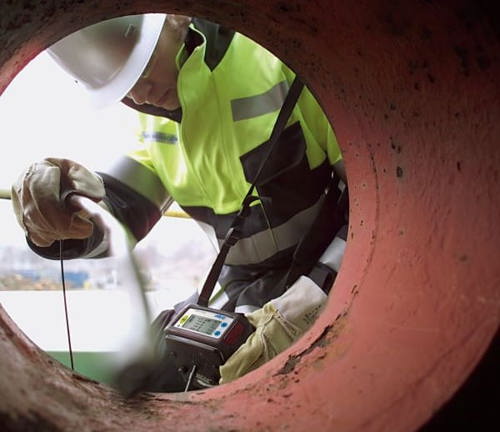
What should confined space training include?
For safety professionals, the challenge is not simply ensuring compliance with the legal duty to provide training for confined space work; it is ensuring that training genuinely prepares workers to recognise hazards, follow safe systems of work and respond effectively in emergencies.
Confined spaces are unique environments where hazards can escalate quickly. A situation that appears safe at the start of a task can become life-threatening within minutes.
Training therefore plays a vital role in preparing workers for these conditions. It enables them to:
- Recognise hazards before entering the confined space
- Conduct atmospheric testing and monitoring both before entry and while operating in a confined space, to identify the presence of dangerous gases or fumes, or low oxygen levels, that could pose a risk to life – for example, through asphyxiation or a fire or explosion risk
- Follow permit-to-work systems correctly
- Use safety equipment properly
- Respond effectively in an emergency.
- Without this knowledge, workers may unknowingly enter dangerous environments or fail to react appropriately when conditions change.
One of the most important lessons from confined space incidents is that hazards are often invisible. Toxic gases, oxygen deficiency and explosive atmospheres are all hazards that can be impossible to detect by sight or smell. As a result, workers must rely on gas detection equipment and suitable procedures for the use of such equipment to identify these risks. A suitable gas detection strategy is therefore often an essential part of a safe system of work for tasks in confined spaces, and workers will require effective training to ensure they understand how to interpret gas monitor readings and identify when conditions are unsafe.
Safe ways of working
To ensure that everyone involved in confined space work understands their safety responsibilities, the training provided must emphasise the importance of always following the agreed safe systems of work. Confined space tasks must be properly planned and controlled, and workers and supervisors must understand the safety procedures they need to follow, both for confined space entry and rescue.
Typical safety measures include:
- Permit-to-work systems
- Isolation of energy sources (for example, to prevent sparks from electrical circuits or equipment igniting flammable gases)
- Ventilation of the space (for example, to remove harmful gases, or ensure they are ventilated from the area to avoid them building up to dangerous levels)
- Continuous atmospheric monitoring – specifically, using gas detection equipment to warn of potentially unsafe levels of harmful gases)
- Use of safety harnesses and lifelines (to aid safe entry and exit, and emergency evacuation, if required)
- Regular communication with a person on emergency ‘standby’ outside the space. (The standby person plays a critical role in monitoring conditions and initiating emergency procedures if something goes wrong.)
Equipment and competence
Specialist equipment is often required to ensure safe working in confined spaces. Workers may therefore require training in the correct use and maintenance of a range of devices, such as:
- Gas detection monitors
- Breathing apparatus
- Retrieval systems
- Ventilation equipment
- Communication systems.
Incorrect use of these types of equipment can compromise safety. For example, failing to calibrate a gas detector may result in inaccurate readings that place workers at risk.
Training therefore needs to combine theory with practical exercises to ensure workers can operate equipment confidently in real-world situations.

Reinforcing safety in the workplace
As well as providing the necessary technical knowledge to ensure safe work in confined spaces, specialist training will generally contribute to a broader culture of safety within organisations. When workers understand the seriousness of confined space hazards, they are more likely to follow the agreed procedures more carefully. Effective training also ensures workers understand the importance of challenging unsafe practices among colleagues or managers, before work begins, and immediately reporting their concerns to the leadership team.
Well-designed and delivered training also ensures workers appreciate the importance of always reporting hazards and near misses, to ensure any areas of concern are addressed by both supervisors on the ground and senior management. An effective training programme will also ensure workers understand the importance of supporting their colleagues to follow and maintain safe working arrangements – for example, by challenging and reminding colleagues not to deviate from the agreed safe working methods.
For safety practitioners, training is an opportunity to reinforce positive and agreed behaviours and emphasise that safety is everyone’s responsibility.
In turn, this helps develop a strong safety culture which significantly reduces the likelihood of accidents, particularly in high-risk environments, like confined spaces in oil and gas plants.
Training programmes should be reviewed regularly to ensure they reflect current best practice and guidance from HSE, and refresher training should also be regularly provided. It is generally recommended that workers involved in confined space tasks are ‘recertified’ every three years, which means providing them with a full programme of refresher training and conducting an assessment of their understanding and competence for the work.
A three-year refresher training and ‘recertification’ programme is generally considered necessary because, in many cases, workers may not enter confined spaces frequently but must still retain the necessary skills to work safely, should they be called upon. However, refresher training may need to be provided on a more frequent basis – for example, if workers are required to undertake tasks in confined space environments that are different to those they have previously undertaken.
Considerations when selecting confined space training
When it comes to choosing a training provider for confined spaces, it is important to consider an organisation that offers both classroom-type instruction and practical application of the knowledge and skills taught.
An effective course should cover the current applicable legislation, hazard identification and risk assessment techniques, and the appropriate use of protective equipment. The curriculum and instructions should be directly relevant to the specific confined space environments the course attendees will be working in and the hazards they will face.
The course should also include hands-on scenarios and exercises where attendees practice key procedures, such as entry into a confined space and emergency exit from the danger zone. The idea is to ensure that, if an emergency unfolds, workers have practised and understand the steps to follow to evacuate and keep colleagues safe.
Areas to consider when selecting a training provider might include:
- Does the training company have a confined space entry training rig?
- Are the trainers experienced in confined space entry training?
- Does the company have OEM (original equipment manufacturer) knowledge of the equipment workers will be using doing real-life confined space working?
- Since small groups generally offer a better learning experience, how many people will be on each training course?
- Has the course been tailored to your organisation’s specific needs – such as the type of confined space tasks, and use of specific safety equipment, etc?
- Does the course focus on risk awareness and decision-making?
Conclusion
Accidents and incidents in confined spaces are rarely the result of a single failure. More often, they involve a combination of inadequate planning, poor communication and insufficient training.
However, the encouraging point to remember is that most confined space incidents are preventable. With proper risk assessments, safe systems of work and comprehensive training, organisations can significantly reduce the likelihood of fatalities and serious injuries.
For safety professionals, confined space training is not simply a compliance exercise. It is a vital safeguard that protects workers operating in some of the most dangerous environments found in modern industry.
When implemented effectively, it ensures that everyone involved in confined space work has the knowledge, skills and confidence needed to perform their job safely and return home at the end of the day.
For more information see: draeger.com
Adam Barker is marketing manager – Dräger Academy and Safety Service, at Draeger Safety UK.
FEATURES

Who is the wolf in your life? Listening to the people behind the hard hat
By Inna Cebotari, Kinth Square on 02 October 2026
A new play explores the lives of migrant construction workers in the UK, using humour, real-life experiences and physical theatre to capture the banter, friendships and absurd moments that make life on site bearable, alongside the pressures that often go unseen. Ahead of the play’s premiere in London on 12-14 November, playwright Inna Cebotari explains how Three Little Pigs aims to add to the public debate about how best to support the wellbeing of construction workers.
Eliminating barriers in reporting: how conversational AI can unlock safety engagement
By Julian Taylor, ecoPortal on 04 October 2026
Online reporting systems that require lengthy and cumbersome form filling and typing can discourage workers from reporting safety incidents and concerns. However, AI-powered mobile apps that allow reporting simply by speaking can simplify and speed up the process, boosting reporting rates and overall staff engagement with safety systems and culture.

Why UK employers need to rethink recruitment, retention and support for older workers
By Orchie Bandyopadhyay on 04 October 2026
With workers over the age of 50 now comprising almost one third of the entire UK workforce, recruiting and retaining older workers is now core to the success of the economy. However, not all employers are offering what’s needed to retain and recruit older workers, and ageist attitudes, limited flexible working opportunities, and employment support that doesn’t fit with health, caring, or other responsibilities are leaving too many people locked out of the labour market.