
As AI technology becomes more deeply embedded in workplaces it will simultaneously create its own, new, health issues and challenges, a new paper has argued.
News
AI is changing what is expected of humans at work, argues new research
By
on 13 January 2026
AI presents a “new layer of occupational health risks and opportunities” writes Lara Shemtob, researcher at Imperial College London for her article, Human-AI interaction is the new frontier of occupational health.
Human workers will increasingly be briefing AI agents on a task, or AI agents “collaborating” with one another, acting autonomously on tools, services, and datasets, then returning the result for review and further instructions.
“This transition from execution to stewardship over AI outputs on a task for which a human user has accountability requires supervisory skills and has far-reaching implications for health and performance at work,” she argues.
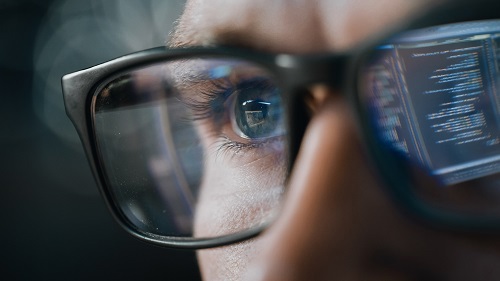 Photograph: iStock
As AI absorbs routine tasks, and the separation from such tasks grow, this may result she says in a ‘weakened ability’ to deal with pressing demands or emergencies, echoing research that argues AI may have adverse effects on critical thinking.
However, AI also brings opportunities to enhance health, inclusion, and safety at work if we “act with intention,” she says.
More broadly across safety, AI can help control risks by reducing human involvement, such as by completing tasks that are dangerous or psychologically harmful for humans, such as online content moderation. (She caveats however that while AI tools are being used to moderate harmful content on social media platforms there are issues with ‘appropriate decision-making’).
AI can deliver productivity gains when organisations scale its use, she adds. She concludes that occupational health as a sector has unique expertise on the relationship between work, health and productivity. “We must be part of the analysis of and dialogue on the way AI is changing what is expected of humans at work, across industries and workplaces.”
'Human-AI interaction is the last frontier of occupational health' was published in the Journal of Occupational Medecine on 6 January. Read the article here
NEWS
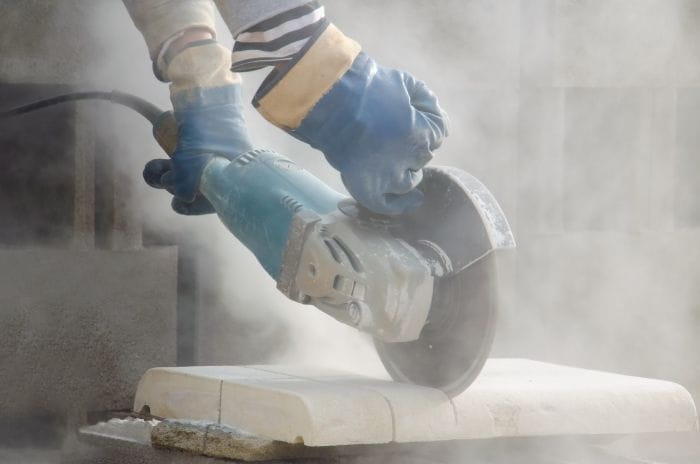
British Safety Council calls on UK Government to ban silica-containing materials
By British Safety Council on 20 August 2026
British Safety Council has called on the UK Government to ban the import and export of high silica-containing products within the next five years to protect workers from the risks associated with high-concentration silica-containing materials.
Mates in Mind launches free suicide prevention training for construction workers
By Thomas Tevlin on 13 August 2026
Mental health at work charity Mates in Mind has launched new digital training aimed at increasing awareness and reducing suicide amongst sole traders and self-employed construction workers to support World Suicide Prevention Day on 10 September.
Hidden Hazards. Recognise Risks. Protect Lives
By British Safety Council on 30 July 2026
British Safety Council launches new flagship campaign to shine a light on hidden hazards in the workplace.