

The world is on the brink of an “irreversible climate disaster” with many of the planet’s “vital signs” having reached record extremes, scientists have warned in an alarming new report which says that even in the most optimistic scenario, large-scale climate adaptation efforts will be needed.
News
World on brink of ‘irreversible climate disaster’, scientists warn
By
on 09 October 2024
Despite years of warnings about the dangers of climate change, which is being driven by increasing greenhouse gas emissions, “we are still moving in the wrong direction” and have now entered “a critical and unpredictable new phase of the climate crisis”, said a group of prominent climate experts led by Oregon State University’s Professor William Ripple in the 2024 State of the Climate report.
 "Our climate continues to shift away from conditions associated with human thriving for much of the Earth’s population," said scientists in the report. Photograph: iStock/slovegrove
The report warns that “the future of humanity hangs in the balance” and there is a risk of “societal collapse” if urgent and decisive action to curb emissions and reduce waste is not taken.
“As pressures increase and the risk of Earth’s climate system switching to a catastrophic state rises, more and more scientists have begun to research the possibility of societal collapse,” the scientists wrote. “Even in the absence of global collapse, climate change could cause many millions of additional deaths by 2050.”
The report added that if the current trajectory continues, “future years will almost certainly be even hotter, because our climate continues to shift away from conditions associated with human thriving for much of the Earth’s population”.
Every 0.1C of global warming places an extra 100 million people into “unprecedented hot average temperatures”, said the report. Earlier this year, a poll involving hundreds of the world’s top climate scientists found that 80 per cent of those surveyed expected global temperatures to rise by at least 2.5C above pre-industrial levels by the end of this century. Just six per cent of those polled said they believed the internationally agreed long-term limit of a 1.5C increase would be achieved.
That threshold was breached earlier this year, prompting British Safety Council’s director of education and membership, Dr Julie Riggs, to urge employers to act now to protect their workers from the effects of climate change. Extreme weather related to climate change is already affecting businesses around the world and will continue to hit bottom lines, disrupt supply chains, and impact workers’ health and wellbeing. A report by the International Labour Organization (ILO) said in April that more than 70 per cent of the global workforce could be exposed to serious health hazards because of climate change in the years to come.
Each year, climate scientists track 35 planetary “vital signs”, including carbon-dioxide emissions, ocean temperatures and global population growth. Of those 35 metrics, 25 are at “record levels”, according to the report. Fossil fuel consumption rose by 1.5 per cent in 2023, compared with the previous year, and 2024 is on track to be one of the hottest years on record.
“With the increasingly undeniable effects of climate change, a dire assessment is an honest assessment,” said the report. “Denying the existential threat posed by climate change is becoming increasingly less plausible. The fact is that avoiding every tenth of a degree of warming is critically important.”
The report calls for “bold, transformative change” to drastically cut overconsumption and waste, gradually reduce the human population and reform food production systems to support more plant-based eating.
“The surge in yearly climate disasters shows we are in a major crisis with worse to come if we continue with business as usual,” said the scientists. “We must urgently reduce ecological overshoot and pursue immediate large-scale climate change mitigation and adaptation to limit near-term damage.
“Only through decisive action can we safeguard the natural world, avert profound human suffering, and ensure that future generations inherit the liveable world they deserve.”
NEWS
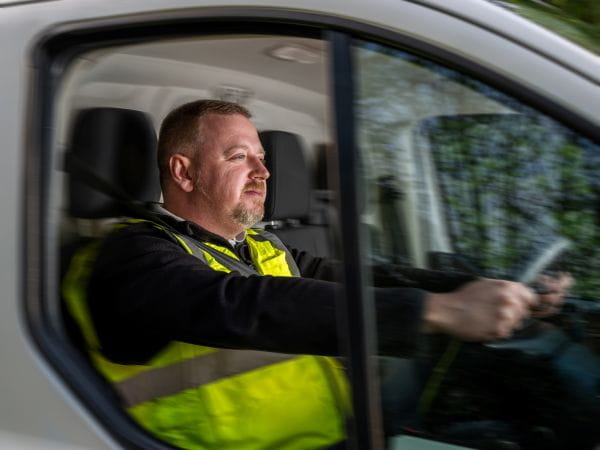
Scheme to recognise commitment to transport staff wellbeing launched by Road Haulage Association
By Orchie Bandyopadhyay on 01 October 2026
A new Wellbeing Recognition Scheme designed to allow organisations across the HGV, coach and van sectors to demonstrate their commitment to improving the health, wellbeing and resilience of the industry’s workforce has been launched by the Road Haulage Association (RHA).
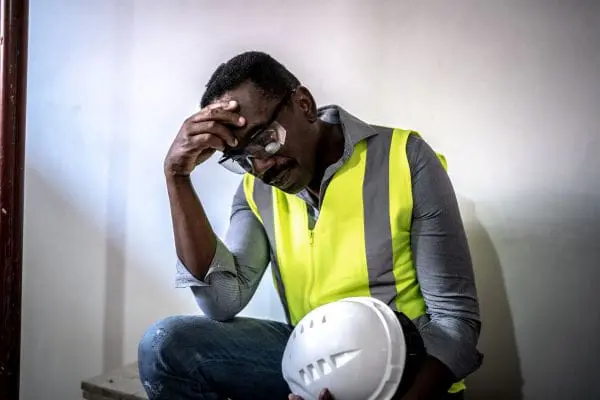
Cost-of-living pressure is cutting into UK workers’ productivity, says report
By Orchie Bandyopadhyay on 04 October 2026
The cost of living is the single largest financial stressor for 62% of UK workers, far outweighing concerns about retirement savings (12%) and building emergency funds (8%), a new study has revealed. Sixty-two per cent of workers admit they do not fully understand the workplace retirement plan they pay into each month, according to TELUS Health’s Q2 2026 TELUS Mental Health Index.

Employers must meet staff to discuss flexible working requests, says first secretary of state
By Orchie Bandyopadhyay on 01 October 2026
Bosses must meet with employees who request flexible working and explain their reasons for any refusals, said Louise Haigh, first secretary of state, in a speech to the Trades Union Congress (TUC) in Brighton on 15 September.