

Fifty years on from the introduction of the Health and Safety at Work Act 1974, most workers believe the legislation should be updated to reflect changing work practices and place a greater emphasis on mental health and wellbeing, a new survey commissioned by Dräger Safety UK has found.
News
Workers want health and safety legislation overhaul with more emphasis on wellbeing, survey finds
By
on 11 July 2024
The Dräger Safety and Health at Work Report 2024 surveyed 750 employees and 250 managers at UK organisations employing more than 50 people in March. It found that 94 per cent of respondents felt the 1974 Act should be overhauled, to account for changing workplaces and different working styles.
 More than four-fifths of survey respondents thought health and safety legislation should focus more on employees' mental health and wellbeing. Photograph: iStock/tumsasedgars
More than four-fifths (82 per cent) of those surveyed said they thought health and safety legislation should include a greater focus on mental health and wellbeing, while three-quarters of respondents wanted to see more emphasis on environmental, sustainability and governance (ESG) issues.
Despite this desire for health and safety legislation to be updated, more than half (52 per cent) of respondents said they felt safer at work than they did two years ago – rising to 68 per cent among younger Gen Z workers. Better safety training was cited as the top reason for this.
“Five decades after it was introduced, it is perhaps unsurprising that so many people feel that approaches to health and safety need a rethink given the changes in working practices as well as the rising prevalence of mental ill health over the last five years, not to mention 50 years,” said Matthew Bedford, managing director of Dräger Safety UK.
“However, whilst it is clear that the issue of mental ill health is a key consideration for the future of health and safety in UK workplaces, it is vital that other, crucially important health and safety issues are not forgotten.”
Phil Pinnington, head of audit and consultancy at British Safety Council, emphasised that the Health and Safety at Work Act 1974 “was never designed to be all things to all people”. He said: “It was an enabling Act and we’ve built on it over the years through the various regulations and guidance.”
Dräger’s survey, which was conducted by Insight Avenue UK, found a differing picture between the various generations in the workforce. For instance, 59 per cent of Gen Z respondents reported that they are experiencing anxiety or depression, versus 39 per cent of Millennials, 29 percent of Gen X and just 18 per cent of Baby Boomers. Cost of living pressures were found to be a key driver of this.
The survey also examined the effects of flexible working practices and the impact of technology on the workplace. Hybrid working was found to have the most positive impact on mental health, although full-time remote working was seen as less beneficial.
British Safety Council’s Pinnington pointed out that, “we’re going through a huge transformational change, and I don’t think this transformational change will end very quickly”. He added: “I would argue that Covid has been one of the biggest changes since the industrial revolution: it changed the way we work. Period.
“In two or three years’ time, we’re going to be having this same conversation and asking, ‘what does the future of work look like, and how does health and safety fit in’?”
Almost three-quarters (73 per cent) of respondents said they thought that the potential of digital growth, such as artificial intelligence and connectivity, should drive a future rethink on health and safety in the next five years. The biggest workplace safety provision challenges over the coming five years, said respondents, were skills shortages, a younger workforce with different levels of knowledge, and budget cuts.
NEWS
Scheme to recognise commitment to transport staff wellbeing launched by Road Haulage Association
By Orchie Bandyopadhyay on 01 October 2026
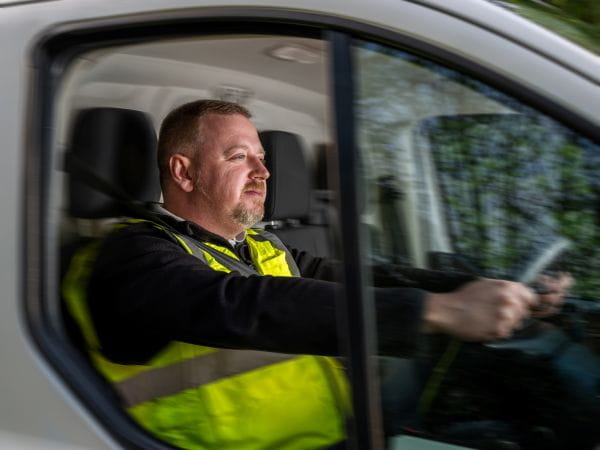
A new Wellbeing Recognition Scheme designed to allow organisations across the HGV, coach and van sectors to demonstrate their commitment to improving the health, wellbeing and resilience of the industry’s workforce has been launched by the Road Haulage Association (RHA).

Cost-of-living pressure is cutting into UK workers’ productivity, says report
By Orchie Bandyopadhyay on 04 October 2026
The cost of living is the single largest financial stressor for 62% of UK workers, far outweighing concerns about retirement savings (12%) and building emergency funds (8%), a new study has revealed. Sixty-two per cent of workers admit they do not fully understand the workplace retirement plan they pay into each month, according to TELUS Health’s Q2 2026 TELUS Mental Health Index.

Employers must meet staff to discuss flexible working requests, says first secretary of state
By Orchie Bandyopadhyay on 01 October 2026
Bosses must meet with employees who request flexible working and explain their reasons for any refusals, said Louise Haigh, first secretary of state, in a speech to the Trades Union Congress (TUC) in Brighton on 15 September.