

Those responsible for workplaces, public buildings and multi-occupied residential premises have a variety of duties aimed at protecting the occupants from fire, and good communication with those at risk is crucial to ensuring the dangers are properly managed.
Features
Fire safety: top tips for landlords and building managers
By
on 27 June 2024
Keeping the occupants of their buildings safe is undoubtedly the most important responsibility a landlord or building manager can have. Ensuring effective fire safety measures are in place is a critical part of that duty. Apart from the potentially disastrous consequences in terms of human life, failure to comply with fire safety regulations can also lead to severe financial penalties.
 Photograph: iStock/georgeclerk
My motto is that fire safety is about the people, not just the paperwork – to achieve true building safety, you need both these elements working well together. That’s why my advice on improving fire safety will always emphasise the human aspect, especially the importance of clear communication. Engaging with occupants, ensuring they feel safe and secure, and providing them with the right fire safety information is key to reducing risk.
Here are my top suggestions to improve fire safety within your buildings:
- Provide clear information on evacuation and emergency procedures
The first step is to ask yourself, what risks do your occupants need to be aware of? How can you help them protect themselves? What information will keep them safe? This all needs to be considered as part of complying with the latest legislation.
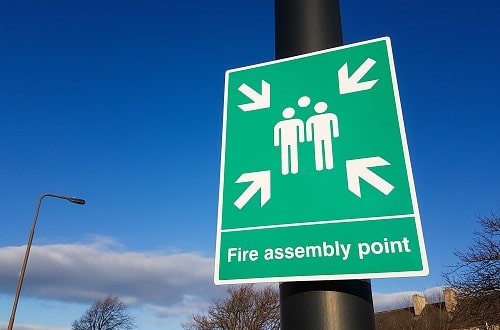
Landlords and building managers must keep their occupants well-informed about evacuation and emergency procedures, so they’re fully prepared in the event of a fire. This includes providing clear, easily accessible information on escape routes, assembly points and the location of firefighting equipment such as fire extinguishers.
There are a few different ways this information can be provided, from speaking with occupants directly, to sending regular emails or by having a notice board on each floor of the building with all the relevant information and safety procedures. Regular drills and training can also help familiarise occupants with the necessary actions to take in case of a fire.
Empowering occupants to take charge of their own safety will help ensure you remain compliant and avoid legal pitfalls. For example, it is a landlord’s legal duty to inform occupants about the building’s fire doors in communal areas and in individual dwellings. Of course, the information you need to provide will differ depending on the type of building you’re managing. If you are the landlord of a high-rise residential building with balconies, for example, you would need to outline specific fire safety guidance for residents around smoking or having barbecues on their balcony.
- Identify disabled or vulnerable occupants
Identifying people within your building who may require additional support during an emergency is extremely important. These occupants are likely to be more vulnerable in the event of a fire, as it may be more difficult for them to evacuate the building quickly and safely.
Although this can include individuals with disabilities, pregnant people or those who have recently undergone surgery could also need additional support to evacuate. Engaging in open communication can help landlords determine who is most at risk and allow them to develop tailored support plans to ensure their safety in the event of a fire.
 Phil Jones is managing director of William Martin. Photograph: William Martin
The most important question to ask here is: can each of your vulnerable occupants self-evacuate in case of an emergency? If the answer is no, you’ll need to consider what risk mitigation measures are needed. This might involve putting an evacuation plan in place, so the fire service knows where to find vulnerable occupants if there is a fire. By understanding who is most at risk, and putting remedial measures in place, you can ensure everyone in your building is suitably supported.
- Provide safe storage for e-scooters and e-bikes
As Electric Powered Personal Vehicles (EPPVs) such as e-scooters and e-bikes become increasingly popular, it’s important to understand the fire risks they pose.
If EPPVs are involved in a fire, the lithium batteries burn very quickly at high temperatures. They also generate many dangerous chemicals including carbon monoxide and hydrogen cyanide. In 2023,nine people tragically died in fires that were related to e-bikes and EPPVs, with lithium batteries reigniting fires that were put out by the London Fire Brigade.
To reduce the risk of fire, landlords and building managers should provide safe and designated storage spaces for EPPVs. These spaces should come equipped with charging points in secure locations to minimise the risk of potential fire hazards. Going back to my earlier point about communication, you should also give clear safety advice to occupants about where to store and charge their EPPVs.
Guidance from the London Fire Brigade suggests that:
- E-scooters and e-bikes shouldn’t be stored in escape routes
- EPPVs should be charged and stored in a dedicated external location
- EPPVs should be stored in a room with good ventilation or, failing that, a vent that opens automatically.
By addressing these concerns, landlords can contribute to reducing the fire safety risks associated with e-scooter and e-bike storage in their properties.
- Get help if you need it
Landlords and building managers are busy people with many conflicting responsibilities to juggle – however, cutting corners around fire safety is never an option. If navigating the many complexities of fire safety becomes too overwhelming, consider enlisting the help of a reputable fire safety consultancy, who can support you with undertaking fire risk assessments, developing customised evacuation and emergency plans, or organising paperwork.
This could leave you more time to focus on the most important aspect of fire safety – the human touch that comes when you build a relationship with your occupants and communicate with them clearly and regularly.
Phil Jones is managing director of risk management consultancy William Martin.
For more information see:
T: +44 (0)20 3819 8829

FEATURES

Who is the wolf in your life? Listening to the people behind the hard hat
By Inna Cebotari, Kinth Square on 02 October 2026
A new play explores the lives of migrant construction workers in the UK, using humour, real-life experiences and physical theatre to capture the banter, friendships and absurd moments that make life on site bearable, alongside the pressures that often go unseen. Ahead of the play’s premiere in London on 12-14 November, playwright Inna Cebotari explains how Three Little Pigs aims to add to the public debate about how best to support the wellbeing of construction workers.

Eliminating barriers in reporting: how conversational AI can unlock safety engagement
By Julian Taylor, ecoPortal on 04 October 2026
Online reporting systems that require lengthy and cumbersome form filling and typing can discourage workers from reporting safety incidents and concerns. However, AI-powered mobile apps that allow reporting simply by speaking can simplify and speed up the process, boosting reporting rates and overall staff engagement with safety systems and culture.

Why UK employers need to rethink recruitment, retention and support for older workers
By Orchie Bandyopadhyay on 04 October 2026
With workers over the age of 50 now comprising almost one third of the entire UK workforce, recruiting and retaining older workers is now core to the success of the economy. However, not all employers are offering what’s needed to retain and recruit older workers, and ageist attitudes, limited flexible working opportunities, and employment support that doesn’t fit with health, caring, or other responsibilities are leaving too many people locked out of the labour market.